

Pregnancy is a transformative and delicate period in a woman's life, marked by numerous physical and hormonal changes. During this time, expectant mothers are understandably cautious about what they put on and in their bodies, aiming to safeguard the health of both themselves and their unborn child. As a supplier of Anti Ageing Film, I often receive inquiries from customers, including pregnant women, about the safety and suitability of using our products during pregnancy. In this blog post, I'll delve into the topic of whether it's safe to use Anti Ageing Film during pregnancy, drawing on scientific research and expert insights.
Understanding Anti Ageing Film
Before we discuss its use during pregnancy, let's first understand what Anti Ageing Film is. Anti Ageing Film is a type of functional film designed to protect surfaces from aging, damage, and environmental factors. It contains various active ingredients and technologies that work together to prevent oxidation, UV damage, and other forms of deterioration. These films are commonly used in a variety of applications, from protecting the exterior of buildings to preserving the appearance of automotive paint and household items.
The primary function of Anti Ageing Film is to create a protective barrier that shields surfaces from harmful elements. This barrier can help prevent fading, cracking, and peeling, extending the lifespan of the protected surface and maintaining its aesthetic appeal. Some Anti Ageing Films also offer additional benefits, such as self-cleaning properties or enhanced scratch resistance.
Safety Considerations During Pregnancy
When it comes to using any product during pregnancy, safety is the top priority. Pregnant women are more sensitive to certain chemicals and substances, as their bodies are undergoing significant physiological changes. Exposure to harmful chemicals during pregnancy can potentially pose risks to the developing fetus, including birth defects, developmental delays, and other health issues.
To determine whether it's safe to use Anti Ageing Film during pregnancy, we need to consider the ingredients and potential risks associated with the product. Most Anti Ageing Films are formulated with a combination of polymers, antioxidants, UV absorbers, and other additives. While these ingredients are generally considered safe for use in normal applications, it's important to evaluate their safety in the context of pregnancy.
Evaluating the Ingredients
One of the key concerns during pregnancy is the potential for exposure to harmful chemicals through skin contact or inhalation. Some of the ingredients commonly found in Anti Ageing Films, such as certain solvents and additives, may have the potential to be absorbed through the skin or inhaled into the lungs. However, the risk of exposure and the potential effects on the fetus depend on several factors, including the specific ingredients used, the duration and intensity of exposure, and the individual's sensitivity.
Let's take a closer look at some of the common ingredients found in Anti Ageing Films and their potential risks during pregnancy:
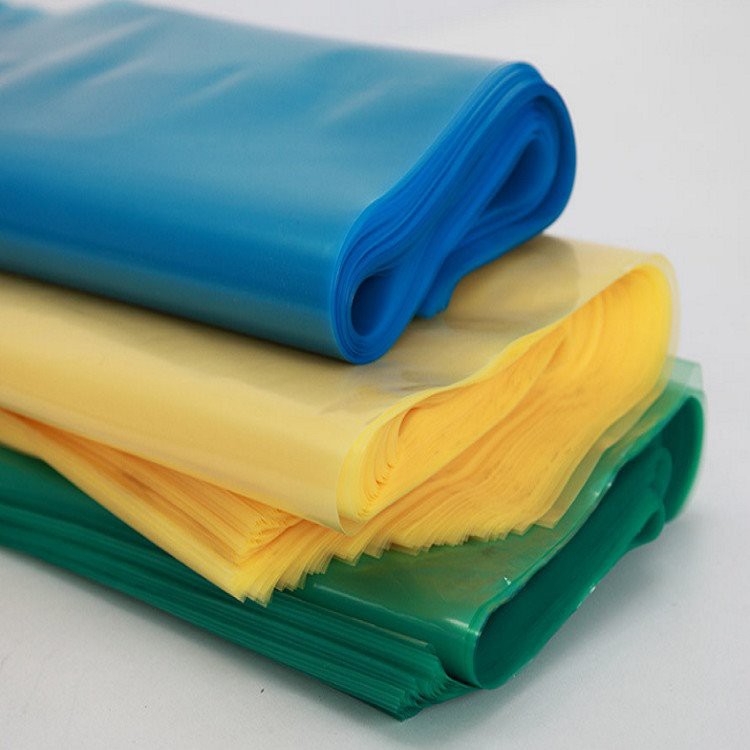
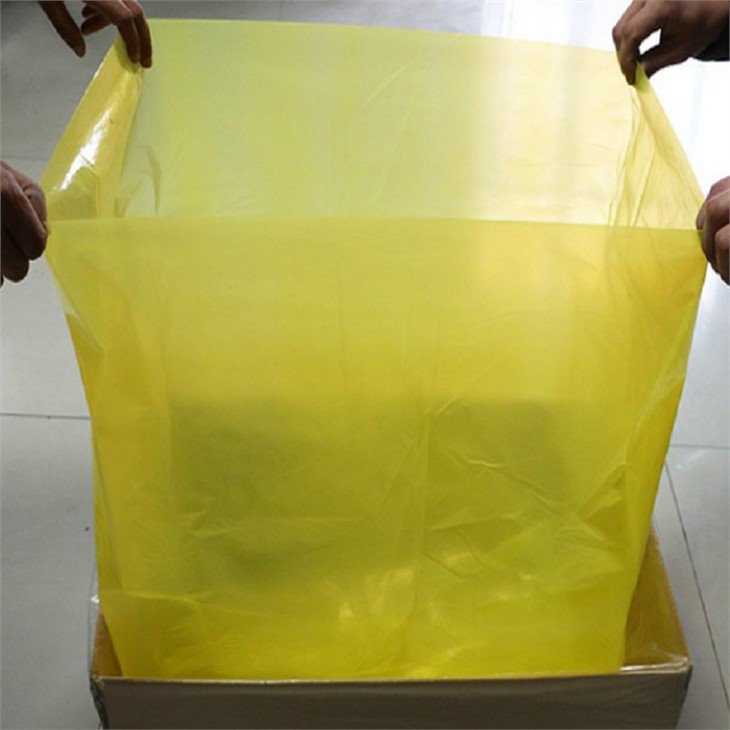
- Polymers: Polymers are the main components of Anti Ageing Films, providing the film's structure and protective properties. Most polymers used in these films are considered safe and have low toxicity. They are generally not absorbed through the skin and do not pose a significant risk to the developing fetus.
- Antioxidants: Antioxidants are added to Anti Ageing Films to prevent oxidation and protect the film from degradation. Many antioxidants, such as vitamin E and green tea extract, are natural and have been shown to have beneficial effects on the skin. These antioxidants are generally considered safe for use during pregnancy and may even provide some additional benefits, such as reducing inflammation and protecting against oxidative stress.
- UV Absorbers: UV absorbers are used to protect the film and the underlying surface from UV damage. Some UV absorbers, such as oxybenzone and avobenzone, have been the subject of some controversy due to their potential endocrine-disrupting effects. However, the risk of exposure to these chemicals through Anti Ageing Film is generally low, as they are typically present in small amounts and are not easily absorbed through the skin.
- Solvents and Additives: Some Anti Ageing Films may contain solvents and additives to improve the film's application and performance. These solvents and additives can vary depending on the specific product and formulation. While most solvents and additives used in Anti Ageing Films are considered safe, it's important to check the product label and consult with a healthcare professional if you have any concerns.
Scientific Research and Expert Opinions
While there is limited specific research on the use of Anti Ageing Film during pregnancy, there is a large body of scientific literature on the safety of the individual ingredients commonly found in these films. In general, the ingredients used in Anti Ageing Films are considered safe for use in normal applications, and the risk of exposure to harmful chemicals during pregnancy is low.
However, it's always a good idea to consult with a healthcare professional before using any new product during pregnancy. Your doctor or midwife can provide personalized advice based on your individual health status and the specific product you're considering. They can also help you weigh the potential benefits and risks and make an informed decision about whether it's safe to use Anti Ageing Film during pregnancy.
Precautions and Best Practices
If you decide to use Anti Ageing Film during pregnancy, there are some precautions and best practices you can follow to minimize your risk of exposure to harmful chemicals:
- Read the product label: Before using any Anti Ageing Film, carefully read the product label and follow the manufacturer's instructions. Look for products that are labeled as safe for use during pregnancy or that have been tested for safety.
- Ventilate the area: When applying Anti Ageing Film, make sure the area is well-ventilated to reduce the risk of inhaling any fumes or vapors. Open windows and doors, or use a fan to circulate fresh air.
- Wear protective clothing: To minimize skin contact with the film, wear gloves, long sleeves, and pants when applying the film. Avoid touching your face or eyes while handling the film.
- Avoid direct contact with the film: Once the film is applied, avoid direct contact with it until it has fully cured. This will help reduce the risk of skin irritation or allergic reactions.
- Dispose of the film properly: After using the Anti Ageing Film, dispose of it properly according to local regulations. Do not burn or incinerate the film, as this can release harmful chemicals into the environment.
Conclusion
In conclusion, the question of whether you can use Anti Ageing Film during pregnancy is a complex one that depends on several factors, including the specific product, the ingredients used, and your individual health status. While most Anti Ageing Films are considered safe for use in normal applications, it's always a good idea to consult with a healthcare professional before using any new product during pregnancy.
If you decide to use Anti Ageing Film during pregnancy, follow the precautions and best practices outlined in this blog post to minimize your risk of exposure to harmful chemicals. By taking these steps, you can help ensure the safety of both yourself and your unborn child while still enjoying the benefits of using Anti Ageing Film to protect your surfaces.
If you're interested in learning more about our Anti Ageing Film or other functional films, such as Release Film and Rust Resistant Film, please feel free to contact us for more information. Our team of experts is always available to answer your questions and help you find the right product for your needs. We look forward to the opportunity to discuss potential procurement and work with you to meet your film requirements.
References
- American College of Obstetricians and Gynecologists. (2017). Chemical Exposures During Pregnancy. Retrieved from [Website URL]
- Environmental Working Group. (2020). Skin Deep® Cosmetics Database. Retrieved from [Website URL]
- National Toxicology Program. (2019). Report on Carcinogens, Fourteenth Edition. Retrieved from [Website URL]