

Hey there! I'm a supplier of Rust Resistant Film, and I often get asked if this wonder - film can be used on lead. Today, I'm gonna dive deep into this topic and share some insights.

First off, let's understand what lead is. Lead is a heavy metal that's been around in human history for ages. It's got a low melting point, is malleable, and was once used in a ton of applications like pipes, batteries, and even in paints (although that's a big no - no now due to its toxicity). One of the major issues with lead is that it can corrode over time. Corrosion not only affects the structural integrity of lead components but can also lead to the release of harmful lead particles into the environment.
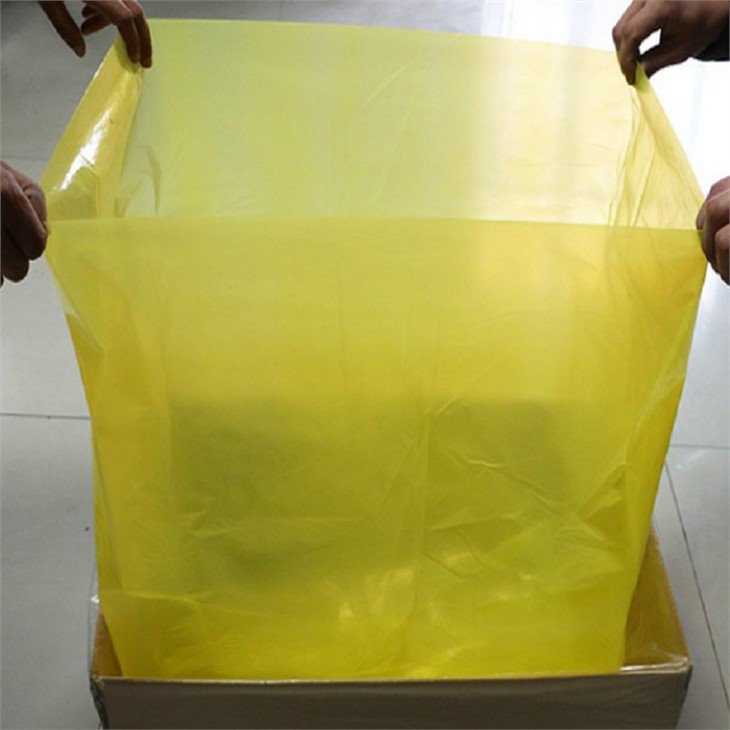
Now, let's talk about our [Rust Resistant Film](/functional - film/rust - resistant - film.html). This film is designed to create a protective barrier between the metal surface and the surrounding environment. It works by preventing moisture, oxygen, and other corrosive agents from coming into direct contact with the metal. The film is made up of special polymers and additives that have excellent anti - corrosion properties.
So, can it be used on lead? The short answer is yes, but there are some things to keep in mind.
Compatibility
The Rust Resistant Film needs to be compatible with lead. Our film has been formulated to be compatible with a wide range of metals, including lead. The polymers in the film adhere well to the lead surface, creating a tight - fitting protective layer. However, the surface of the lead must be clean before applying the film. Any dirt, grease, or oxidation on the lead surface can prevent the film from adhering properly.
Protection Mechanism
When the Rust Resistant Film is applied to lead, it forms a physical barrier. This barrier stops water molecules from reaching the lead surface. Water is a major culprit in the corrosion process as it can react with lead and oxygen in the air to form lead oxides. By keeping water away, the film significantly slows down the corrosion rate.
Another important aspect is that the film can also block other corrosive substances. For example, in industrial environments, there might be chemicals in the air or on the ground that can corrode lead. The Rust Resistant Film acts as a shield, preventing these chemicals from attacking the lead.
Long - term Performance
One of the great things about our Rust Resistant Film is its long - term performance. In tests, we've found that the film can protect lead for several years under normal environmental conditions. However, extreme conditions can affect its performance. For instance, if the lead is exposed to high temperatures or strong mechanical stress, the film might start to degrade. But even in these cases, the film still provides a certain level of protection compared to uncoated lead.
Advantages of Using Rust Resistant Film on Lead
- Cost - effective: Instead of replacing corroded lead components, applying the Rust Resistant Film can extend their lifespan, saving you a lot of money in the long run.
- Easy to apply: You don't need any special equipment or skills to apply the film. It can be easily cut to size and stuck onto the lead surface.
- Environmentally friendly: Since the film reduces the need for lead replacement, it also reduces the amount of lead waste generated. And because it prevents lead corrosion, it minimizes the release of lead particles into the environment.
Other Functional Films
In addition to the Rust Resistant Film, we also offer [Anti Ageing Film](/functional - film/anti - ageing - film.html) and [Release Film](/functional - film/release - film - factory.html). The Anti Ageing Film can be used on various materials to prevent them from aging due to factors like UV radiation, oxidation, and humidity. The Release Film is great for applications where you need to prevent materials from sticking to each other, like in the manufacturing of composites.
Application Process
Applying the Rust Resistant Film on lead is a straightforward process. First, clean the lead surface thoroughly using a mild detergent and water. Make sure to dry it completely. Then, measure the area of the lead surface and cut the film to the appropriate size. Peel off the backing of the film and carefully apply it to the lead surface, starting from one edge and smoothing out any air bubbles as you go.
Case Studies
We've had several customers who've used our Rust Resistant Film on lead. One customer had a lead roof that was starting to show signs of corrosion. After applying our film, the corrosion stopped, and the roof looked good as new. Another customer used the film on lead pipes in an industrial setting. The pipes were exposed to a corrosive chemical environment, but the film protected them from damage, reducing maintenance costs and downtime.
Limitations
While the Rust Resistant Film is great for protecting lead, it's not a one - size - fits - all solution. As mentioned earlier, extreme conditions can affect its performance. Also, if the lead surface has deep scratches or damage, the film might not be able to provide full protection. In these cases, it might be necessary to repair the lead surface before applying the film.
Conclusion
In conclusion, Rust Resistant Film can definitely be used on lead. It offers a cost - effective, easy - to - apply, and environmentally friendly way to protect lead from corrosion. Whether you're dealing with lead roofs, pipes, or other lead components, our film can help extend their lifespan and keep them in good condition.
If you're interested in purchasing our Rust Resistant Film or any of our other functional films, feel free to reach out to start a procurement discussion. We're here to provide you with the best solutions for your needs.
References
- "Corrosion of Metals" - A standard textbook on metal corrosion processes.
- Industry reports on the use of protective films for metals.