

How does a refrigerator evaporator remove moisture from the air inside the fridge?
As a leading supplier of Refrigerator Evaporator, I've witnessed firsthand the marvels of refrigeration technology. One of the most fascinating aspects is how a refrigerator evaporator removes moisture from the air inside the fridge. In this blog post, I'll delve into the science behind this process, explaining the key principles and components involved.
The Basics of Refrigeration
Before we dive into the specifics of moisture removal, let's briefly review the basic principles of refrigeration. A refrigerator works by transferring heat from the inside of the fridge to the outside, creating a cool environment for storing food and beverages. This process is achieved through a refrigeration cycle that involves four main components: the compressor, condenser, expansion valve, and evaporator.
The compressor is the heart of the refrigeration system. It compresses the refrigerant gas, raising its pressure and temperature. The high-pressure, high-temperature refrigerant then flows to the condenser, where it releases heat to the surrounding air and condenses into a liquid. The liquid refrigerant then passes through the expansion valve, which reduces its pressure and temperature. Finally, the low-pressure, low-temperature refrigerant enters the evaporator, where it absorbs heat from the inside of the fridge and evaporates back into a gas.
The Role of the Evaporator in Moisture Removal
Now that we understand the basic refrigeration cycle, let's focus on the role of the evaporator in moisture removal. The evaporator is a crucial component of the refrigerator because it is responsible for absorbing heat from the inside of the fridge and cooling the air. As the air inside the fridge comes into contact with the cold evaporator coils, it loses heat and its temperature drops. When the air cools, its ability to hold moisture decreases, causing the moisture in the air to condense into liquid water.
This process is similar to what happens when you take a cold drink out of the fridge on a hot day. As the cold glass comes into contact with the warm, humid air, the moisture in the air condenses on the outside of the glass, forming droplets of water. In a refrigerator, the same principle applies, but instead of the moisture condensing on the outside of a glass, it condenses on the surface of the evaporator coils.
The Condensation Process
The condensation process on the evaporator coils is a critical step in removing moisture from the air inside the fridge. As the moisture condenses on the coils, it forms droplets of water that drip down into a drain pan located at the bottom of the fridge. From the drain pan, the water is usually directed to a evaporation tray located at the back of the fridge, where it evaporates into the surrounding air.
To ensure efficient moisture removal, the evaporator coils must be kept clean and free of frost. Frost buildup on the coils can reduce their ability to absorb heat and cause the fridge to work less efficiently. Most modern refrigerators are equipped with a defrosting system that periodically heats the evaporator coils to melt any frost that has accumulated. This helps to maintain the efficiency of the evaporator and ensures that the fridge continues to remove moisture from the air effectively.
The Importance of Moisture Removal
Removing moisture from the air inside the fridge is essential for several reasons. First, excess moisture can create a breeding ground for mold and bacteria, which can contaminate food and cause health problems. By reducing the moisture level in the fridge, we can help to prevent the growth of these harmful microorganisms and keep our food fresh and safe to eat.
Second, moisture can also cause food to spoil more quickly. When food is exposed to moisture, it can become soggy and develop a bad taste and odor. By removing moisture from the air, we can help to extend the shelf life of our food and reduce food waste.
Finally, moisture removal can also improve the energy efficiency of the fridge. When the fridge has to work harder to cool the air due to excess moisture, it consumes more energy and costs more to operate. By keeping the air inside the fridge dry, we can help to reduce the workload on the fridge and save energy and money.

Types of Evaporators for Moisture Removal
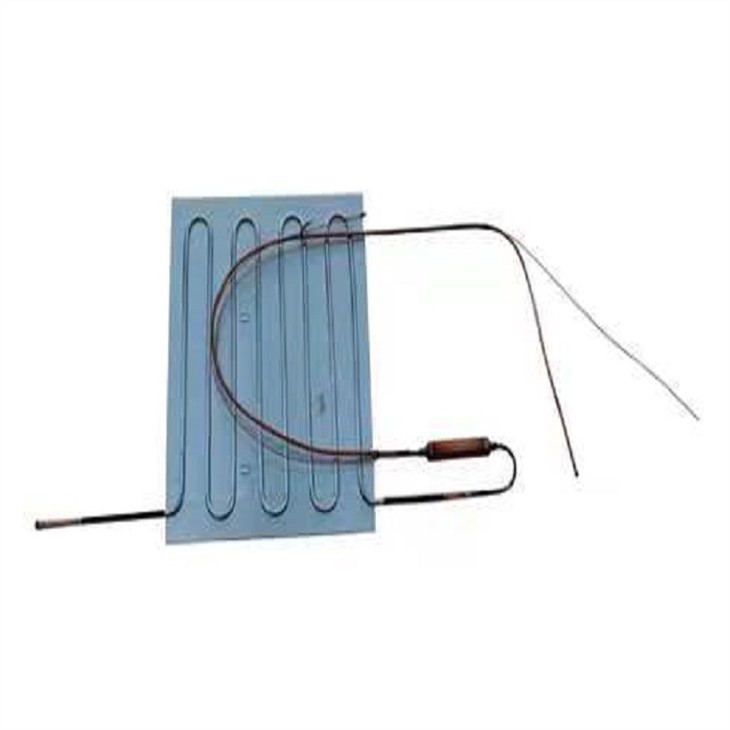
At our company, we offer a wide range of Refrigerator Evaporator solutions, including the Bonded Type Evaporator, which is specifically designed for efficient moisture removal. The Bonded Type Evaporator features a unique design that maximizes the surface area of the evaporator coils, allowing for more effective heat transfer and moisture condensation.
This type of evaporator is made by bonding a thin layer of aluminum or copper to a plastic or metal substrate, creating a highly efficient heat exchanger. The bonded construction ensures that the refrigerant flows evenly through the coils, providing consistent cooling and moisture removal throughout the fridge.
In addition to the Bonded Type Evaporator, we also offer other types of evaporators, such as the plate-type evaporator and the tube-and-fin evaporator. Each type of evaporator has its own advantages and disadvantages, and the choice of evaporator depends on the specific requirements of the refrigerator and the application.
Conclusion
In conclusion, the refrigerator evaporator plays a crucial role in removing moisture from the air inside the fridge. By absorbing heat from the air and causing the moisture to condense on the evaporator coils, the evaporator helps to create a dry and cool environment for storing food and beverages. This not only helps to keep our food fresh and safe to eat but also improves the energy efficiency of the fridge and reduces food waste.
As a supplier of high-quality Refrigerator Evaporator solutions, we are committed to providing our customers with the best products and services. If you are interested in learning more about our evaporators or have any questions about moisture removal in refrigerators, please don't hesitate to contact us. We would be happy to discuss your specific needs and help you find the right solution for your application.
References
- ASHRAE Handbook - Refrigeration. American Society of Heating, Refrigerating and Air-Conditioning Engineers.
- "Refrigeration and Air Conditioning Technology" by William C. Whitman, William M. Johnson, and John Tomczyk.
- Various technical documents and research papers on refrigeration technology and moisture removal.