

Can Rust Resistant Film be used outdoors?
As a supplier of Rust Resistant Film, one common question I often encounter from customers is whether our Rust Resistant Film can be effectively used outdoors. This question not only reflects the practical needs of customers but also shows their concerns about the performance and durability of the film in outdoor environments. In this blog, I will comprehensively analyze the feasibility and considerations of using Rust Resistant Film outdoors based on our years of experience and professional knowledge.
1. The Composition and Rust - Resistant Mechanism of Rust Resistant Film
To understand whether Rust Resistant Film can be used outdoors, we first need to understand its composition and how it prevents rust. Our Rust Resistant Film is typically made up of multiple layers. The outermost layer is designed to provide protection against external environmental factors such as moisture, oxygen, and pollutants. This layer usually consists of a polymer material with excellent weather - resistance and chemical stability. Beneath the protective layer, there is a layer that contains rust - inhibiting agents. These agents can form a thin protective film on the surface of the metal to isolate it from the surrounding environment, preventing the occurrence of the oxidation reaction that leads to rust.
When the film is applied to a metal surface, it acts as a physical barrier. It blocks the access of water, oxygen, and other corrosive substances to the metal. Additionally, the rust - inhibiting agents in the film can passivate the metal surface, reducing its reactivity and further enhancing its resistance to rust.
2. Advantages of Using Rust Resistant Film Outdoors
There are several significant advantages to using Rust Resistant Film outdoors.
Firstly, it provides long - term protection for outdoor metal structures. Outdoor metal equipment, such as fences, bridges, and industrial machinery, is constantly exposed to various harsh environmental conditions, including rain, snow, sunlight, and air pollution. These factors can accelerate the rusting process of metal. Our Rust Resistant Film can effectively resist the erosion of these environmental factors, greatly extending the service life of the metal structures. For example, in coastal areas where the air contains a high concentration of salt, which is highly corrosive to metal, our Rust Resistant Film can prevent the salt from directly contacting the metal surface, thus reducing the risk of rust damage.

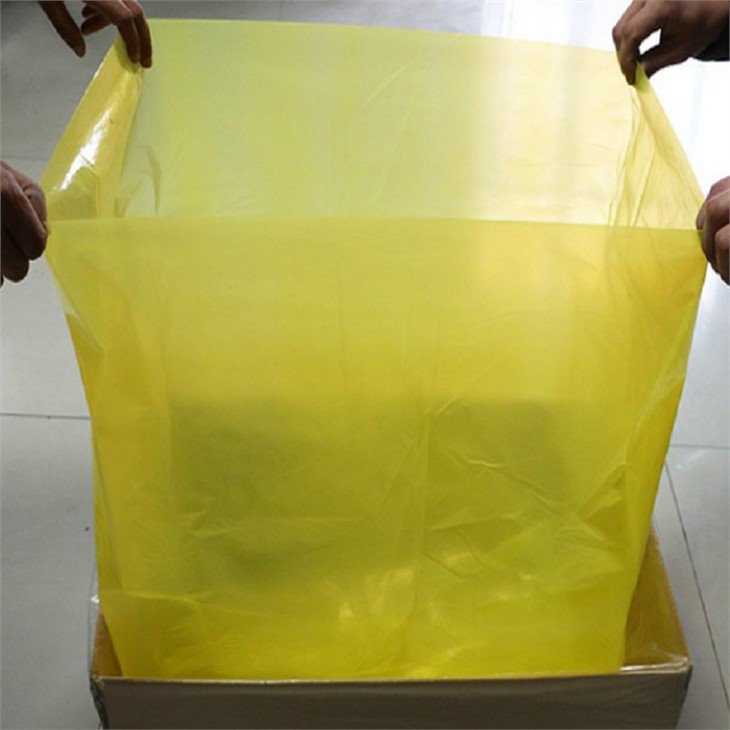
Secondly, it is cost - effective. Compared with traditional anti - rust methods such as painting or galvanizing, the application of Rust Resistant Film is relatively simple and requires less time and labor. Once the film is applied, it can provide continuous protection for a long time, reducing the need for frequent maintenance and repair. This not only saves costs but also minimizes the disruption to normal operations.
Thirdly, it is environmentally friendly. Our Rust Resistant Film is formulated to be free of harmful substances such as heavy metals and volatile organic compounds (VOCs). This means that its use in outdoor environments will not cause additional pollution to the environment, which is in line with the growing demand for sustainable development.
3. Challenges and Considerations for Outdoor Use
Although Rust Resistant Film has many advantages for outdoor use, there are also some challenges and considerations that need to be taken into account.
One of the main challenges is the impact of ultraviolet (UV) radiation. Prolonged exposure to sunlight can cause the polymer materials in the film to degrade, leading to a decrease in its mechanical properties and rust - resistant performance. To address this issue, our Rust Resistant Film is added with UV stabilizers. These stabilizers can absorb and scatter UV radiation, reducing its damage to the film. However, in areas with intense sunlight, such as deserts or tropical regions, the service life of the film may still be affected to some extent.
Another consideration is the temperature range. Extreme cold or hot temperatures can affect the adhesion and flexibility of the film. In cold weather, the film may become brittle and prone to cracking, while in hot weather, it may soften and lose its shape. Therefore, before using the film outdoors, it is necessary to consider the local climate conditions and choose the appropriate type of Rust Resistant Film. Our company offers different types of films with different temperature resistance ranges to meet the needs of various environments.
In addition, mechanical damage is also a potential problem. Outdoor metal structures may be subject to impacts from objects such as fallen branches, stones, or vehicles. These impacts can cause scratches or tears on the film, exposing the metal surface to the environment and leading to rust. To improve the durability of the film, we can add anti - scratch agents during the manufacturing process. However, in high - risk areas, additional protective measures may be required.
4. Comparison with Other Outdoor Anti - Rust Solutions
There are other anti - rust solutions available for outdoor use, such as Flame Retardant Coating and traditional painting. Compared with these solutions, Rust Resistant Film has its unique advantages.
Flame Retardant Coating is mainly designed to prevent the spread of fire. While it may have some anti - rust properties, its primary function is not rust prevention. In contrast, our Rust Resistant Film is specifically formulated to provide excellent rust protection. It can be used in conjunction with Flame Retardant Coating in some applications where both fire - resistance and rust - resistance are required.
Traditional painting is a widely used anti - rust method. However, painting requires a relatively long drying time and may need to be reapplied periodically. Rust Resistant Film, on the other hand, can be quickly applied and provides long - term protection. Moreover, it is more flexible and can adapt to different shapes and sizes of metal structures.
5. Application Cases of Rust Resistant Film Outdoors
We have many successful application cases of Rust Resistant Film outdoors. For example, in a large - scale industrial park, our Rust Resistant Film was applied to the outdoor pipelines and storage tanks. After several years of use, the metal surfaces remained in good condition, with no obvious signs of rust. This not only saved the cost of maintenance but also ensured the normal operation of the industrial facilities.
In a coastal city, our Rust Resistant Film was used on the city's iron fences. The fences were exposed to the salty sea air, which is highly corrosive. However, with the protection of the Rust Resistant Film, the fences maintained their original appearance and structural integrity, enhancing the safety and aesthetics of the city.
6. Conclusion and Call to Action
In conclusion, Rust Resistant Film can be effectively used outdoors. It offers long - term protection, is cost - effective, and environmentally friendly. However, it is necessary to consider the impact of factors such as UV radiation, temperature, and mechanical damage. Our company, as a professional supplier of Rust Resistant Film, is committed to providing high - quality products and solutions to meet the needs of different outdoor environments.
If you are interested in our Rust Resistant Film or have any questions about its outdoor use, please feel free to contact us. We are more than willing to have in - depth discussions with you and provide you with detailed product information and technical support to help you make the best choice for your outdoor anti - rust needs.
References
- "Handbook of Corrosion Prevention and Control" by Pierre R. Roberge
- "Polymer Science and Technology" by Donald R. Paul and Charles B. Bucknall
- Industry reports on functional films and anti - rust technologies