

A refrigerator is an essential appliance in every household, playing a crucial role in preserving food by maintaining a low temperature. At the heart of this cooling process lies the refrigerator evaporator, a component that significantly impacts food preservation. As a supplier of Refrigerator Evaporator, I have witnessed firsthand the importance of this part in ensuring the freshness and longevity of stored food.
Understanding the Refrigerator Evaporator
The refrigerator evaporator is a key element in the refrigeration cycle. It is a heat exchanger that absorbs heat from the inside of the refrigerator, causing the refrigerant to evaporate. This process cools the air inside the fridge, creating a suitable environment for food storage.
The evaporator consists of a series of coils or tubes filled with refrigerant. As the warm air from the refrigerator compartment comes into contact with the cold evaporator coils, heat is transferred from the air to the refrigerant. The refrigerant then changes from a liquid to a gas, absorbing the heat energy in the process. This cooled air is then circulated back into the refrigerator, lowering the overall temperature.
Impact on Food Preservation
Temperature Regulation
One of the primary ways the evaporator impacts food preservation is through temperature regulation. Different types of food require specific temperature ranges to stay fresh. For example, fruits and vegetables typically need to be stored at around 2 - 4°C, while meats and dairy products should be kept at 0 - 2°C. A well - functioning evaporator ensures that the refrigerator can maintain these optimal temperatures consistently.
If the evaporator is not working efficiently, the temperature inside the fridge may fluctuate. These temperature variations can accelerate the growth of bacteria and other microorganisms, leading to spoilage. For instance, if the temperature rises above the recommended level for a short period, bacteria in meat can multiply rapidly, reducing its shelf life and potentially making it unsafe to consume.
Humidity Control
In addition to temperature, humidity also plays a vital role in food preservation. The evaporator can influence the humidity levels inside the refrigerator. As the warm, moist air from the fridge compartment comes into contact with the cold evaporator coils, the moisture in the air condenses on the coils. This process reduces the humidity inside the fridge, which is beneficial for many types of food.
High humidity can cause mold growth on bread, fruits, and vegetables, while low humidity can lead to dehydration of food items. By controlling the humidity, the evaporator helps to prevent these issues. For example, in the crisper drawer of a refrigerator, proper humidity control ensures that vegetables remain crisp and fresh for a longer time, while bread stays soft and free from mold.
Air Circulation
The evaporator is also involved in the air circulation within the refrigerator. As the air is cooled by the evaporator, it becomes denser and sinks. This creates a natural convection current that helps to distribute the cold air evenly throughout the fridge. Good air circulation is essential for maintaining a uniform temperature and humidity level throughout the refrigerator.
Without proper air circulation, there may be hot spots or areas with high humidity inside the fridge. Food stored in these areas is more likely to spoil. For example, if the back of the fridge has poor air circulation, food items placed there may not receive sufficient cooling, leading to premature spoilage.
Types of Refrigerator Evaporators and Their Impact
Bonded Type Evaporator
The bonded type evaporator is a popular choice in many modern refrigerators. It consists of a thin metal sheet with refrigerant channels bonded to it. This design offers several advantages for food preservation.
Firstly, the large surface area of the bonded type evaporator allows for efficient heat transfer. This means that it can cool the air inside the fridge more quickly and maintain a stable temperature. Secondly, the flat design of the bonded type evaporator promotes better air circulation, ensuring that all areas of the refrigerator receive adequate cooling.
Frost - Free Evaporators
Frost - free evaporators are another type commonly used in refrigerators. These evaporators are equipped with a defrosting mechanism that periodically melts the frost that accumulates on the coils. Frost buildup on the evaporator coils can reduce its efficiency by insulating the coils and preventing proper heat transfer.
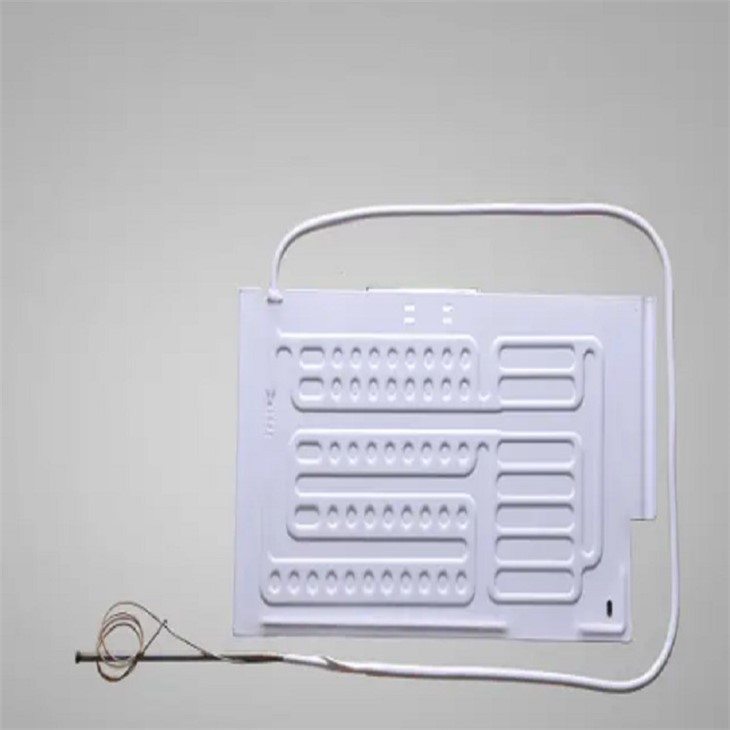

By preventing frost buildup, frost - free evaporators ensure that the refrigerator can maintain a consistent temperature. This is particularly important for food preservation, as temperature fluctuations caused by frost - covered evaporator coils can lead to spoilage.
Factors Affecting Evaporator Performance
Refrigerant Level
The amount of refrigerant in the evaporator is crucial for its performance. If the refrigerant level is too low, the evaporator may not be able to absorb enough heat, resulting in poor cooling. On the other hand, if the refrigerant level is too high, it can cause excessive pressure in the system, which can also affect the evaporator's efficiency.
Regular maintenance and proper refrigerant charging are necessary to ensure that the evaporator operates at its optimal level. As a supplier, we recommend that refrigerator owners have their appliances serviced regularly by a professional technician to check the refrigerant level.
Coil Condition
The condition of the evaporator coils is also important. Over time, dust, dirt, and debris can accumulate on the coils, reducing their ability to transfer heat. If the coils are dirty, the evaporator may have to work harder to achieve the same cooling effect, leading to increased energy consumption and potential damage to the compressor.
To keep the evaporator coils in good condition, it is advisable to clean the refrigerator regularly. This can be done by gently vacuuming the coils or using a soft brush to remove any dirt or debris.
Importance of Choosing the Right Evaporator
When it comes to food preservation, choosing the right evaporator for a refrigerator is crucial. As a supplier, we offer a wide range of Refrigerator Evaporators that are designed to meet different needs and requirements.
For large - capacity refrigerators, a high - performance evaporator with a large surface area may be required to ensure efficient cooling. For energy - conscious consumers, we provide evaporators that are designed to be energy - efficient, reducing electricity consumption without compromising on performance.
In addition, the quality of the evaporator can also impact its lifespan. A high - quality evaporator is more likely to be durable and reliable, reducing the need for frequent replacements and ensuring long - term food preservation.
Contact for Procurement
If you are in the market for a refrigerator evaporator, whether you are a refrigerator manufacturer or a repair service provider, we are here to assist you. Our team of experts can help you select the most suitable evaporator for your specific needs. We offer high - quality products at competitive prices, along with excellent customer service.
We understand the importance of a reliable evaporator in food preservation, and we are committed to providing products that meet the highest standards. To discuss your procurement needs further, please feel free to reach out to us. We look forward to the opportunity to work with you and contribute to the quality of your refrigeration products.
References
- "Food Preservation and Storage" by the Food and Agriculture Organization of the United Nations.
- "Refrigeration and Air Conditioning Technology" by William C. Whitman, William M. Johnson, and John Tomczyk.
- "Principles of Food Science" by Norman F. Haard and Daniel K. Ho.