

Hey there! I'm a supplier of release films, and I'm stoked to share with you all about how these nifty little things work. Release films are super important in a bunch of industries, and once you get how they function, you'll totally appreciate their awesomeness.
First off, what exactly is a release film? Well, it's a thin sheet that's used to prevent materials from sticking to each other during manufacturing processes. Think of it like a non - stick layer that lets things slide off easily. There are different types of release films out there, like silicone - coated ones, fluoropolymer - based ones, and those made from other special polymers. Each type has its own unique properties, which make it suitable for different applications.
Let's dig into the science behind how a release film works. The key lies in its surface energy. Surface energy is all about how the molecules on the surface of a material interact with other substances. A release film has a low surface energy. When you place a release film between two materials that are prone to sticking, the low - energy surface of the release film basically repels the sticky substances.
For example, in the composite manufacturing industry, when they're making parts out of carbon fiber or fiberglass composites, they use a release film. The resin in the composite has a high surface energy and is sticky. But when the release film is placed between the composite and the mold, the low - energy surface of the film stops the resin from bonding to the mold. This means that once the composite has cured, it can be easily removed from the mold without any damage or leaving behind a gooey mess.
Another important factor is the chemical composition of the release film. The coating or the material of the film is designed to be inert. Inert means it doesn't react chemically with the adjacent materials. Take silicone - coated release films, for instance. Silicone has excellent non - reactive properties. It forms a stable layer on the film's surface that doesn't participate in chemical reactions with the sticky substances. So, whether it's an adhesive, a resin, or any other glue - like material, the silicone coating just says, "No thanks, I'm not getting involved!" and keeps everything separate.
Now, let's talk about the physical properties of release films. They're usually flexible and have a smooth surface. The flexibility allows the film to adapt to different shapes and contours. In a manufacturing process where you're molding complex parts, the release film can bend and conform to the mold's shape, ensuring complete coverage. The smooth surface also plays a big role. A rough surface would create friction, which could cause the sticky materials to grab onto the film. But a smooth surface reduces that friction, making it even easier for the materials to separate.
When it comes to real - world applications, release films are everywhere. In the automotive industry, they're used in the production of interior components, like dashboard covers and door panels. These parts are often made using injection molding or compression molding processes. The release film ensures that the molded parts can be ejected from the molds smoothly, without any defects.
In the electronics industry, Electric Conductive Film might be used in combination with release films during the manufacturing of printed circuit boards (PCBs). The release film helps in the easy removal of protective layers or masking agents, allowing for precise manufacturing processes.
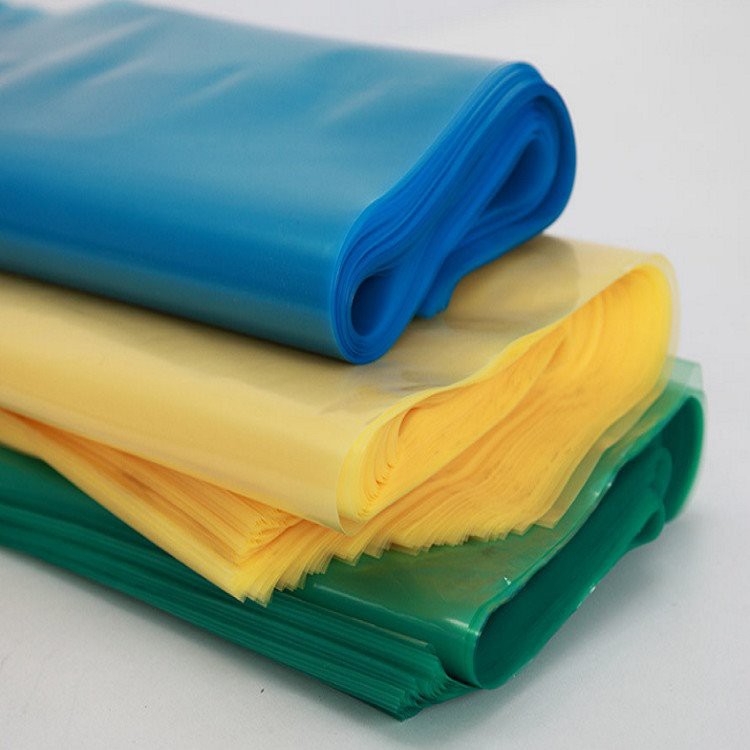

The packaging industry also relies heavily on release films. For products that are wrapped in sticky labels or adhesively - sealed packages, release films are used to prevent the labels or seals from sticking to the packaging machinery. This not only improves the efficiency of the packaging process but also ensures that the products are presented neatly.
In the construction industry, Rust Resistant Film and release films can work together. Release films can be used during the manufacturing of pre - cast concrete elements. They help in the demolding process, allowing the concrete parts to be removed from the molds without cracking or chipping. And the rust - resistant film can protect the metal components within the structure from corrosion over time.
There are also some specialized uses where release films are combined with Flame Retardant Coating. For example, in the aerospace industry, components that need to have fire - resistant properties are produced. The release film helps in the manufacturing process, while the flame - retardant coating adds an extra layer of safety.
As a release film supplier, I understand the importance of quality. We make sure that our release films are manufactured to the highest standards. We test them under different conditions to ensure that they perform as expected. Whether it's high - temperature environments in a foundry or the relatively cool and clean conditions of an electronics factory, our release films are up for the task.
If you're in an industry that could benefit from using release films, you should definitely consider getting in touch. We can provide you with samples so that you can test them out in your own manufacturing processes. We've got a wide range of options to suit different needs and budgets. And if you have any special requirements, we're always up for a challenge and can work with you to develop a customized solution.
In conclusion, release films are these amazing little tools that make manufacturing processes so much easier. Their ability to prevent sticking, thanks to their low surface energy, inert chemical composition, and physical properties, is truly invaluable. Whether you're in the automotive, electronics, packaging, or construction industry, there's a good chance that a release film can improve your production efficiency and the quality of your products.
So, if you're interested in learning more about our release films or want to start a discussion about your specific needs, don't hesitate to reach out. We're here to help you take your manufacturing processes to the next level.
References
- "Handbook of Polymer Science and Technology"
- "Industrial Manufacturing Processes: An Overview"
- "Advanced Composite Materials in Modern Industries"