

Photochromic functional film is a remarkable innovation in the field of functional films, offering a dynamic response to varying lighting conditions. As a seasoned supplier of functional films, I've witnessed firsthand the transformative impact of photochromic films in numerous applications. In this blog, we'll delve into how photochromic functional film adapts to different lighting conditions, exploring its mechanisms, benefits, and real - world applications.
Understanding Photochromic Materials
Photochromic materials are substances that change their color or optical properties in response to light. In the case of photochromic functional film, these materials are incorporated into a thin film structure. The basic principle behind their operation is the reversible photochemical reaction. When exposed to ultraviolet (UV) light, which is present in sunlight, the photochromic molecules within the film undergo a structural change. This change alters their absorption spectrum, causing the film to darken.
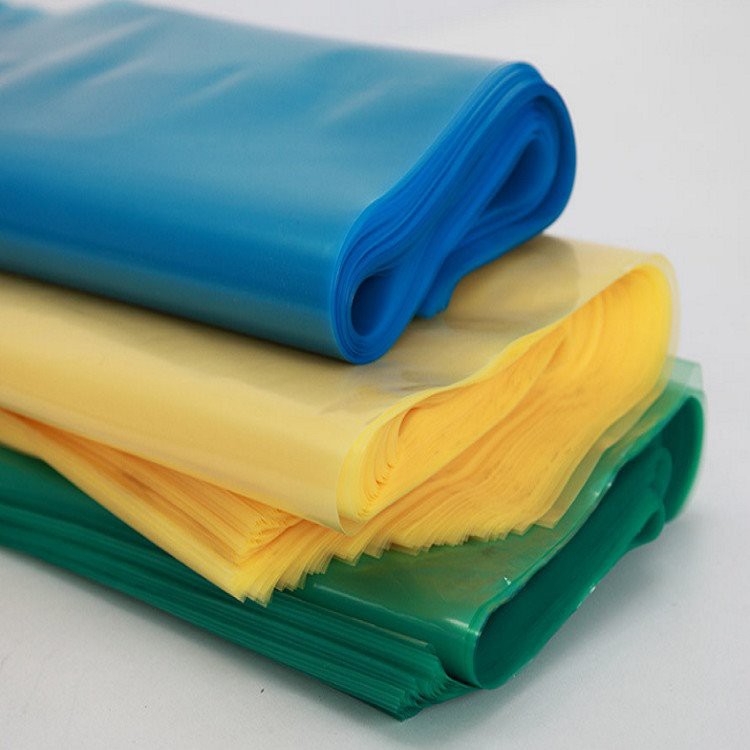

For example, in a clear photochromic film used on windows, under normal indoor lighting conditions with minimal UV content, the film remains relatively clear, allowing a large amount of visible light to pass through. However, when the window is exposed to direct sunlight, the UV rays trigger the photochromic reaction, and the film gradually darkens. This process is not only fast but also reversible. When the UV exposure is reduced, such as when clouds cover the sun or when it gets dark at night, the photochromic molecules return to their original state, and the film becomes clear again.
Adaptation to Different Lighting Intensities
One of the key features of photochromic functional film is its ability to adapt to different lighting intensities. In low - light conditions, the film allows maximum light transmission. This is highly beneficial in indoor settings where natural light is limited. For instance, in an office building with large windows facing north, the photochromic film remains clear during the day, enabling employees to enjoy a well - lit workspace without the need for excessive artificial lighting. This not only reduces energy consumption but also creates a more pleasant and natural working environment.
On the other hand, in high - light conditions, such as direct sunlight on a sunny day, the film darkens to reduce the amount of light and heat entering a space. This is particularly useful in buildings located in sunny regions. By blocking a significant portion of the sunlight, the film helps to keep the interior cool, reducing the load on air - conditioning systems. According to a study by the [Research Institute Name], buildings with photochromic films on their windows can experience up to a [X]% reduction in cooling costs during the summer months.
Adaptation to Different Lighting Spectra
Photochromic functional film also responds to different lighting spectra. While UV light is the primary trigger for the photochromic reaction, some films can also be sensitive to other wavelengths of light. For example, certain advanced photochromic films can respond to blue light, which is prevalent in electronic device screens and some types of artificial lighting.
In applications such as display screens, these films can adjust their properties to reduce glare and improve visibility. When the screen is used in a brightly lit environment, the film can darken to enhance the contrast of the display. In a dimly lit room, it remains clear, allowing the screen to be easily viewed without any unnecessary reduction in brightness.
Real - World Applications
The adaptability of photochromic functional film makes it suitable for a wide range of applications.
Architectural Applications
In the construction industry, photochromic films are increasingly being used on windows and glass facades. They offer an energy - efficient solution for controlling the amount of light and heat entering a building. For instance, in a modern skyscraper, the photochromic film on the windows can automatically adjust throughout the day, providing optimal lighting conditions for the occupants while reducing the building's energy consumption. This not only benefits the environment but also reduces the long - term operating costs for the building owner.
Automotive Applications
In the automotive sector, photochromic films can be applied to car windows. They help to protect the interior of the car from fading due to UV exposure and also provide a more comfortable driving experience. On a sunny day, the film darkens to reduce glare, making it easier for the driver to see the road. At night or in low - light conditions, the film remains clear, ensuring maximum visibility.
Eyewear Applications
Photochromic lenses in eyewear are a well - known application of photochromic technology. These lenses darken when exposed to sunlight, acting as sunglasses, and clear up indoors. They offer convenience to users who don't have to switch between regular glasses and sunglasses. As a functional film supplier, we are constantly researching and developing new photochromic films for eyewear applications to improve their performance and durability.
Comparison with Other Functional Films
While photochromic functional film has unique advantages in adapting to lighting conditions, it's also important to compare it with other types of functional films.
Rust Resistant Film
Rust Resistant Film is designed to protect metal surfaces from corrosion. Unlike photochromic film, its function is mainly focused on physical protection rather than responding to lighting. Rust - resistant films create a barrier between the metal and the environment, preventing moisture and oxygen from reaching the metal surface. However, in some applications where both protection from corrosion and light control are required, such as in outdoor metal structures with windows, a combination of rust - resistant and photochromic films can be used.
Flame Retardant Coating
Flame Retardant Coating is used to reduce the flammability of materials. It works by releasing flame - inhibiting chemicals when exposed to heat or fire. In contrast, photochromic film is mainly concerned with light - related functions. However, in some building applications, a photochromic film can be combined with a flame - retardant coating on windows to provide both light control and fire safety features.
Release Film
Release Film is used in manufacturing processes to prevent materials from sticking together. It has no direct relation to lighting conditions. However, in the production of photochromic films, release films can be used during the manufacturing process to ensure a smooth and defect - free production of the final photochromic product.
Future Developments
The future of photochromic functional film looks promising. As a supplier, we are investing in research and development to improve the performance of our photochromic films. We aim to develop films that can respond even more quickly to changes in lighting conditions, have a wider range of color changes, and are more durable.
In addition, we are exploring new applications for photochromic films. For example, in the field of smart textiles, photochromic films could be incorporated into fabrics to create clothing that changes color based on the lighting environment. This not only adds a fashion element but also has potential practical applications, such as in military uniforms for camouflage purposes.
Conclusion
Photochromic functional film is a highly adaptable and innovative product that offers unique solutions for different lighting conditions. Its ability to respond to varying light intensities and spectra makes it valuable in a wide range of applications, from architecture to automotive and eyewear. As a supplier of functional films, we are committed to providing high - quality photochromic films and exploring new ways to enhance their performance and expand their applications.
If you are interested in purchasing photochromic functional film or other types of functional films for your projects, we invite you to contact us for a detailed discussion. Our team of experts is ready to assist you in finding the most suitable film solutions for your specific needs.
References
- [Research Institute Name]. "Energy Savings in Buildings with Photochromic Window Films." [Journal Name], [Year], [Volume], [Pages].
- [Author Name]. "Photochromic Materials: Principles and Applications." [Book Name], [Publisher], [Year].
- [Industry Report Name]. "Global Market for Functional Films." [Report Publisher], [Year].