

Hey there! As a supplier of Rust Resistant Film, I've been getting a lot of questions lately about how it stacks up against rust-proof coatings. So, I thought I'd take a deep dive into this topic and share my insights with you all.
What are Rust Resistant Film and Rust - Proof Coatings?
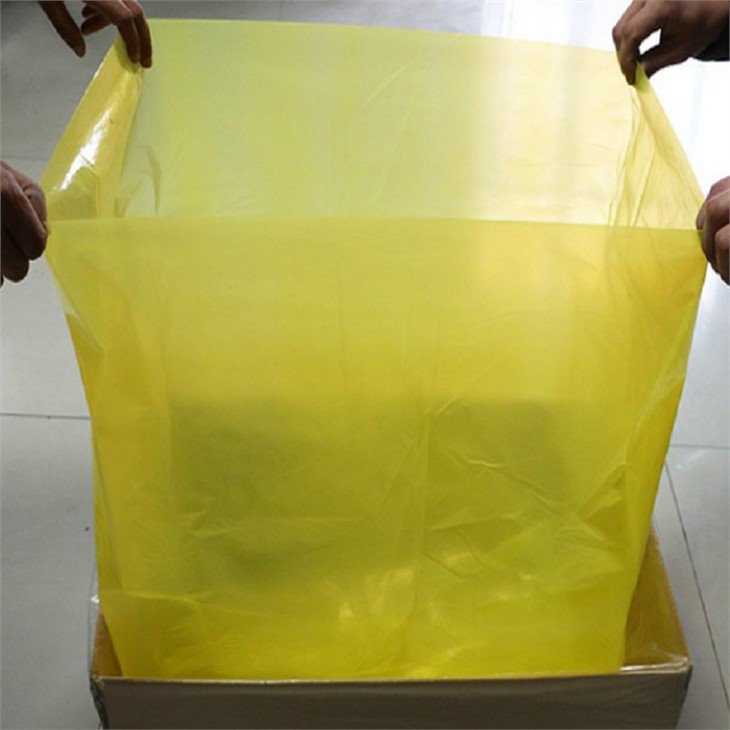
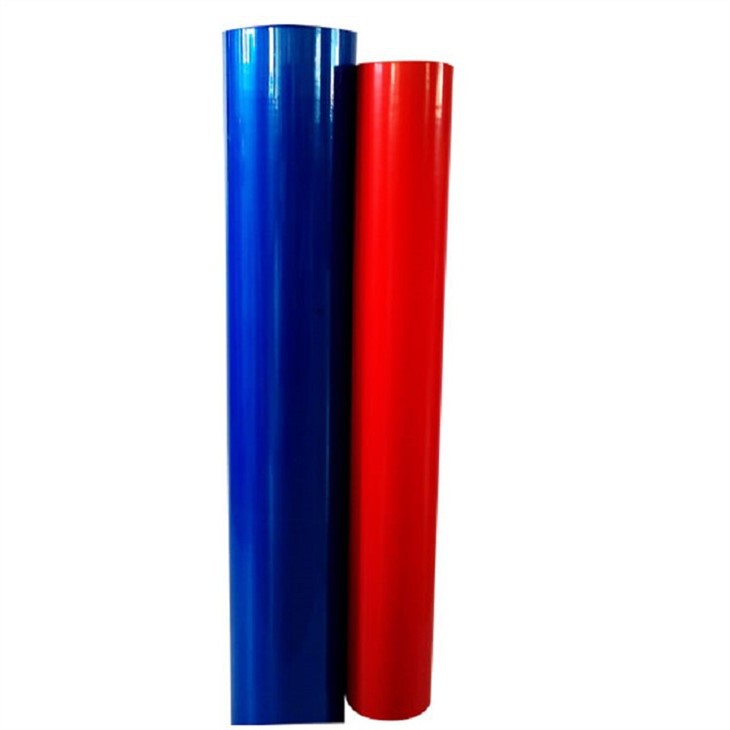
Let's start by understanding what these two things are. Rust Resistant Film, like the one we offer at Rust Resistant Film, is a thin, flexible material that can be applied to the surface of metal objects. It acts as a physical barrier between the metal and the environment, preventing moisture, oxygen, and other corrosive elements from coming into contact with the metal.
On the other hand, rust-proof coatings are substances that are painted or sprayed onto the metal surface. They form a protective layer that also shields the metal from rusting. There are different types of rust-proof coatings, such as epoxy coatings, zinc-rich coatings, and Flame Retardant Coating, each with its own set of properties and applications.
Application Process
One of the first things to consider when comparing Rust Resistant Film and rust-proof coatings is the application process. Applying Rust Resistant Film is generally a lot simpler and quicker. You just need to clean the metal surface thoroughly, remove any dirt or grease, and then carefully stick the film onto the surface. It can be easily cut to size and shaped according to the object you're protecting. This makes it a great option for DIY projects or for applications where you need a quick fix.
Rust-proof coatings, however, often require more preparation and skill. The metal surface needs to be sanded or blasted to create a rough texture for better adhesion. Then, multiple coats of the coating may need to be applied, with drying time in between each coat. This process can be time-consuming and may require specialized equipment, especially for large or complex surfaces.
Durability
Durability is a crucial factor when it comes to protecting metal from rust. Rust Resistant Film provides excellent protection against moisture and oxygen, but its durability can be affected by physical damage. If the film gets scratched or torn, it may expose the metal underneath to the elements. However, if properly installed and maintained, it can last for a long time.
Rust-proof coatings, on the other hand, are generally more resistant to physical damage. Once the coating has cured, it forms a hard, durable layer that can withstand scratches, abrasions, and impacts. However, over time, the coating may start to chip or peel, especially in harsh environments. This can also expose the metal to rusting, and re - applying the coating can be a hassle.
Cost
Cost is always a consideration in any project. Rust Resistant Film is often more cost - effective in the short term, especially for small - scale applications. It's relatively inexpensive to purchase, and the application process doesn't require a lot of additional equipment or labor. You can also easily replace the film if it gets damaged.
Rust-proof coatings can be more expensive upfront, especially if you're using high - quality or specialized coatings. The cost of the coating material itself, along with the labor and equipment required for application, can add up quickly. However, in the long run, if the coating provides long - lasting protection, it may be more cost - effective, especially for large industrial applications.
Environmental Impact
In today's world, environmental impact is an important factor to consider. Rust Resistant Film is generally more environmentally friendly. It doesn't contain any harmful chemicals or solvents, and it can be easily removed and disposed of without causing much pollution.
Many rust-proof coatings, on the other hand, contain volatile organic compounds (VOCs) that can be harmful to the environment and human health. These VOCs are released into the air during the application and drying process. However, there are also eco - friendly rust-proof coatings available that have lower VOC emissions.
Versatility
Rust Resistant Film is highly versatile. It can be used on a wide range of metal surfaces, including steel, aluminum, and copper. It's also suitable for different shapes and sizes of objects, from small tools to large machinery. You can even use it on curved or irregular surfaces.
Rust-proof coatings are also versatile, but they may not be as suitable for some applications. For example, it can be difficult to apply a coating evenly on complex or hard - to - reach areas. Some coatings may also not adhere well to certain types of metals.
Release Film and Its Role
Another related product is Release Film. Release Film is often used in conjunction with Rust Resistant Film. It provides a smooth surface that helps in the easy application of the Rust Resistant Film. It can also be used to protect the film during storage and transportation.
Conclusion
So, which one is better, Rust Resistant Film or rust-proof coatings? Well, it really depends on your specific needs and circumstances. If you're looking for a quick, easy, and cost - effective solution for small - scale projects or DIY jobs, Rust Resistant Film is a great choice. It's simple to apply, relatively inexpensive, and environmentally friendly.
On the other hand, if you need a highly durable, long - lasting solution for large industrial applications or for objects that will be exposed to harsh conditions, rust-proof coatings may be the way to go. They offer better resistance to physical damage and can provide excellent protection over an extended period.
If you're still not sure which option is right for you, or if you're interested in purchasing Rust Resistant Film, feel free to reach out. We're here to help you make the best decision for your rust - prevention needs. Whether you're a DIY enthusiast or a professional in the industry, we can provide you with the right product and support. So, don't hesitate to contact us for more information and to start the procurement process.
References
- ASTM International. (Year). Standard test methods for evaluating the performance of rust - resistant materials.
- Industrial Metal Finishing Handbook. (Publisher, Year). A comprehensive guide to metal protection techniques.