

The curing process is a critical stage in the production of Electric Conductive Film, significantly influencing its performance. As a leading supplier of Electric Conductive Film, I have witnessed firsthand how variations in the curing process can lead to different outcomes in terms of conductivity, durability, and overall functionality. In this blog, I will delve into the intricate relationship between the curing process and the performance of Electric Conductive Film.
Understanding the Curing Process
Before exploring its impact, it's essential to understand what the curing process entails. Curing is a chemical reaction that transforms the film from a liquid or semi - liquid state into a solid, stable form. This reaction can be initiated by various factors, including heat, light, or the addition of catalysts. In the case of Electric Conductive Film, the curing process is designed to set the conductive elements in place, ensuring they form a continuous and efficient pathway for the flow of electricity.
There are several types of curing processes commonly used in the production of Electric Conductive Film. Heat - curing is one of the most prevalent methods. By applying heat to the film, the polymers and conductive particles within it cross - link, creating a more rigid and stable structure. The temperature and duration of the heat - curing process are carefully controlled to achieve the desired properties. For example, a higher curing temperature may lead to a faster reaction, but it can also cause the film to become brittle if not properly managed.
Light - curing, on the other hand, uses ultraviolet (UV) or visible light to initiate the chemical reaction. This method is often preferred for its speed and precision. Light - curing can be controlled more accurately than heat - curing, allowing for the production of films with very specific properties. It is also suitable for applications where heat may damage other components of the device.
Impact on Conductivity
The conductivity of Electric Conductive Film is perhaps the most crucial performance parameter. The curing process has a direct impact on this property. During curing, the conductive particles in the film are arranged in a specific pattern. A well - optimized curing process ensures that these particles are in close contact with each other, forming a continuous conductive network.
In heat - curing, if the temperature is too low or the curing time is insufficient, the conductive particles may not be fully incorporated into the polymer matrix. This can result in a discontinuous conductive pathway, leading to higher resistance and lower conductivity. On the other hand, excessive heat can cause the conductive particles to agglomerate or degrade, also negatively affecting conductivity.
Light - curing can offer more precise control over the arrangement of conductive particles. By carefully selecting the wavelength and intensity of the light, the reaction can be tailored to ensure optimal particle distribution. This can lead to films with higher conductivity and more consistent performance.
Influence on Durability
Durability is another important aspect of Electric Conductive Film performance. The curing process affects the film's ability to withstand mechanical stress, environmental factors, and chemical exposure.
During heat - curing, the cross - linking of polymers makes the film more resistant to mechanical damage. A well - cured film has a stronger molecular structure, which can better withstand bending, stretching, and abrasion. However, if the curing temperature is too high, the film may become overly rigid and prone to cracking.
Light - cured films can also have excellent durability. The rapid and controlled curing process can create a dense and uniform structure that resists wear and tear. Additionally, light - cured films often have better resistance to environmental factors such as moisture and oxidation. This is because the curing process can form a protective layer on the surface of the film, preventing the ingress of harmful substances.
Effects on Adhesion
Adhesion is crucial for Electric Conductive Film, especially when it is used in multi - layer structures or attached to substrates. The curing process can significantly affect the film's adhesion properties.
In heat - curing, the heat can cause the film to expand and contract, which may affect its adhesion to the substrate. If the curing rate is too fast, the film may shrink too quickly, leading to delamination. On the other hand, a slow and controlled heat - curing process can allow the film to bond more effectively with the substrate.
Light - curing can provide better adhesion in some cases. The precise control of the curing process allows for a more uniform reaction at the interface between the film and the substrate. This can result in stronger and more reliable adhesion.
Real - World Applications
The performance of Electric Conductive Film is directly related to its suitability for various real - world applications. For example, in touchscreen devices, high conductivity and durability are essential. A well - cured Electric Conductive Film can ensure fast and accurate touch response, as well as long - term reliability.
In the field of flexible electronics, the film needs to be able to withstand repeated bending and stretching. The curing process can be optimized to produce films with the necessary flexibility and durability. This allows for the development of innovative products such as flexible displays and wearable devices.
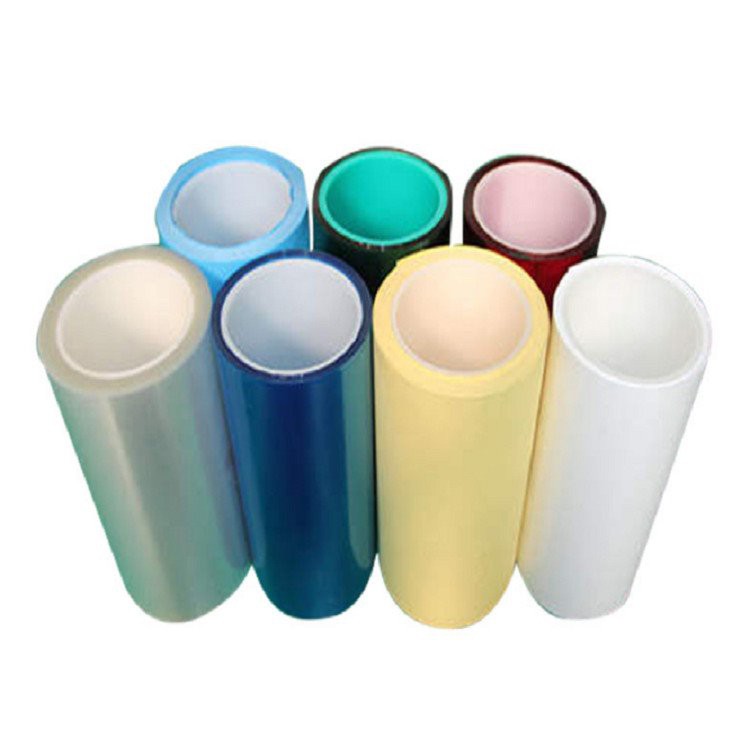
In addition, the Mucous Membrane and Release Film may also have interactions with Electric Conductive Film in some applications. For instance, a release film can be used during the manufacturing process to protect the conductive film, and a mucous membrane - like layer may be combined with the conductive film in medical applications. The curing process of the conductive film needs to be compatible with these related materials to ensure the overall performance of the product.

Quality Control in the Curing Process
As a supplier of Electric Conductive Film, quality control in the curing process is of utmost importance. We use a variety of techniques to monitor and optimize the curing process.
For heat - curing, we closely monitor the temperature and time parameters. We use advanced sensors and control systems to ensure that the curing temperature is within the specified range. Additionally, we conduct regular tests on the cured films to measure their conductivity, durability, and other performance parameters.
In light - curing, we carefully calibrate the light source to ensure consistent wavelength and intensity. We also use in - line inspection systems to detect any defects or variations in the curing process.
Conclusion
The curing process plays a vital role in determining the performance of Electric Conductive Film. From conductivity and durability to adhesion, every aspect of the film's performance is influenced by how it is cured. As a supplier, we are constantly researching and optimizing the curing process to provide our customers with the highest - quality Electric Conductive Film.
If you are in the market for Electric Conductive Film or have specific requirements for its performance, we invite you to contact us for a detailed discussion. Our team of experts is ready to work with you to find the best solution for your application. Whether you need a film with high conductivity for a touchscreen device or a durable film for a flexible electronics project, we have the expertise and experience to meet your needs.
References
- "Handbook of Conductive Polymers" by Alan J. Heeger, Alan G. MacDiarmid, and Hideki Shirakawa.
- "Flexible Electronics: Materials and Applications" by Zhenan Bao and John A. Rogers.
- Research papers on the curing processes of polymer - based materials in leading scientific journals such as "Advanced Materials" and "Journal of Applied Polymer Science".