

As a supplier of Refrigerator Evaporators, I often get asked whether it's possible to retrofit a refrigerator evaporator into an old refrigerator. This is a question that holds significant interest for many homeowners looking to extend the lifespan of their trusty old appliances or enhance their performance without breaking the bank. In this blog post, I'll delve into the intricacies of this topic, exploring the feasibility, benefits, challenges, and steps involved in retrofitting a refrigerator evaporator.
The Feasibility of Retrofitting
The short answer is yes, in many cases, a refrigerator evaporator can be retrofitted into an old refrigerator. However, this isn't a one - size - fits - all solution. The feasibility largely depends on several factors, including the make and model of the old refrigerator, its age, and the type of evaporator you intend to install.
Modern refrigerators come in a wide range of designs and configurations. Older models might have simpler systems, while newer ones are more complex with advanced features. When considering a retrofit, it's crucial to ensure that the new evaporator is compatible with the existing refrigeration system of the old refrigerator. This includes factors such as the refrigerant type, the size and shape of the evaporator compartment, and the electrical connections.
For example, if your old refrigerator uses a specific type of refrigerant, like R - 12 (which is now phased out due to environmental concerns), and the new evaporator is designed for a different refrigerant, such as R - 134a, you'll need to have the refrigeration system converted to accommodate the new refrigerant. This conversion process requires specialized knowledge and equipment, so it's often best left to professional technicians.
Benefits of Retrofitting a Refrigerator Evaporator
There are several compelling reasons to consider retrofitting a refrigerator evaporator into an old refrigerator.
1. Improved Cooling Performance
Over time, the evaporator in an old refrigerator can become less efficient due to factors like frost buildup, corrosion, or wear and tear. A new Refrigerator Evaporator can restore the refrigerator's cooling capacity, ensuring that your food stays fresh for longer. It can also help maintain a more consistent temperature throughout the refrigerator, reducing the risk of spoilage.
2. Energy Efficiency
Newer evaporators are designed with energy - saving features. They are often more efficient at transferring heat, which means your refrigerator will use less energy to maintain the desired temperature. This can lead to significant savings on your electricity bills in the long run. For example, a modern evaporator might use advanced materials and designs that allow for better heat exchange, reducing the workload on the compressor and other components.
3. Extended Lifespan
By replacing a faulty or worn - out evaporator, you can give your old refrigerator a new lease on life. Instead of having to purchase a brand - new refrigerator, which can be a costly investment, a simple retrofit can keep your existing appliance running smoothly for several more years.
Challenges of Retrofitting
While there are many benefits to retrofitting a refrigerator evaporator, there are also some challenges that you need to be aware of.
1. Compatibility Issues
As mentioned earlier, ensuring compatibility between the new evaporator and the old refrigerator is crucial. You need to carefully measure the dimensions of the evaporator compartment, check the electrical connections, and confirm the refrigerant compatibility. In some cases, you might need to make modifications to the refrigerator to fit the new evaporator properly.
2. Technical Expertise
Retrofitting a refrigerator evaporator is not a simple DIY project. It involves working with refrigerants, electrical systems, and mechanical components. If you're not experienced in refrigeration repair, it's easy to make mistakes that could damage the refrigerator or even pose a safety hazard. Therefore, it's highly recommended to hire a professional technician who has the necessary skills and knowledge to perform the retrofit safely and correctly.
3. Cost
While retrofitting can be more cost - effective than buying a new refrigerator in the long run, there are still upfront costs involved. You'll need to purchase the new evaporator, and if you hire a technician, you'll also have to pay for their labor. Additionally, if any additional parts or modifications are required, this can add to the overall cost.
Steps Involved in Retrofitting a Refrigerator Evaporator
If you've decided to go ahead with the retrofit, here are the general steps involved:
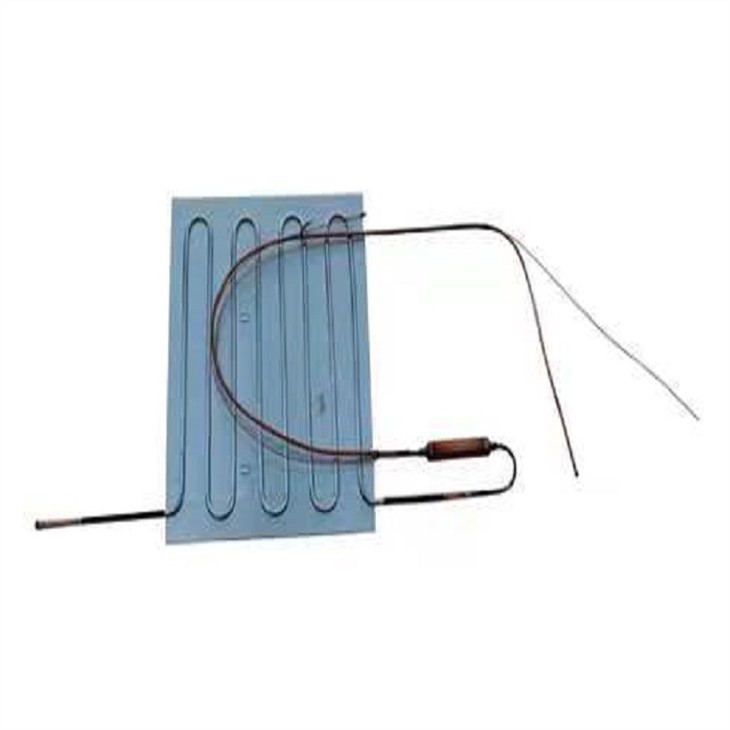

1. Research and Select the Right Evaporator
First, you need to research and select a Refrigerator Evaporator that is compatible with your old refrigerator. Consider factors such as the size, shape, refrigerant type, and electrical requirements. You can consult the refrigerator's manual or contact the manufacturer for guidance. You can also reach out to us as a supplier, and our experts can help you choose the most suitable evaporator for your specific needs.
2. Prepare the Refrigerator
Before installing the new evaporator, you'll need to prepare the refrigerator. This involves unplugging the refrigerator, removing all the food and shelves, and defrosting the freezer compartment. You may also need to remove the old evaporator, which can be a delicate process as it requires disconnecting refrigerant lines and electrical connections.
3. Install the New Evaporator
Once the old evaporator is removed, you can install the new one. This involves carefully positioning the evaporator in the compartment, reconnecting the refrigerant lines and electrical connections, and ensuring that everything is properly sealed. It's important to follow the manufacturer's instructions closely during this process.
4. Test the Refrigerator
After the new evaporator is installed, you need to test the refrigerator to make sure it's working properly. Plug the refrigerator back in, wait for it to cool down, and check the temperature inside. You should also monitor the refrigerator for a few days to ensure that there are no leaks or other issues.
The Role of Bonded Type Evaporators in Retrofitting
One type of evaporator that is often considered for retrofitting is the Bonded Type Evaporator. Bonded type evaporators have several advantages that make them suitable for retrofitting projects.
These evaporators are designed with a unique bonding process that ensures a strong and reliable connection between the refrigerant tubes and the heat transfer surface. This results in better heat transfer efficiency, which can improve the cooling performance of the refrigerator. Additionally, bonded type evaporators are often more durable and resistant to corrosion, which can extend their lifespan and reduce the need for future repairs.
When considering a bonded type evaporator for retrofit, it's important to ensure that it is compatible with your old refrigerator's system. As with any evaporator, you'll need to check the dimensions, refrigerant type, and electrical requirements.
Conclusion
In conclusion, retrofitting a refrigerator evaporator into an old refrigerator is a viable option for many homeowners. While it comes with its challenges, the benefits of improved cooling performance, energy efficiency, and extended lifespan can make it a worthwhile investment. However, it's important to approach the retrofit process with caution and seek professional help if needed.
If you're interested in retrofitting your old refrigerator with a high - quality Refrigerator Evaporator or Bonded Type Evaporator, we're here to assist you. As a leading supplier of refrigerator evaporators, we offer a wide range of products that are designed to meet the needs of different refrigerators. Our team of experts can provide you with detailed information, guidance, and support throughout the retrofit process. Contact us today to start discussing your requirements and explore the best solutions for your refrigerator.
References
- ASHRAE Handbook - Refrigeration. American Society of Heating, Refrigerating and Air - Conditioning Engineers.
- Various refrigerator manufacturers' manuals and technical documents.