

Hey there! As a supplier of Functional Film, I've seen firsthand how these innovative products can transform the look and feel of buildings. In this blog, I'm gonna dive into the aesthetic effects of Functional Film in buildings and why it's a game - changer for architects, designers, and building owners.
1. Enhancing Visual Appeal with Tinted Functional Films
One of the most immediate aesthetic effects of Functional Film is the ability to change the appearance of a building's exterior and interior. Tinted Functional Films, for example, can add a sleek and modern look to any structure. Whether it's a commercial skyscraper or a residential home, a well - chosen tint can give the building a more polished and sophisticated appearance.
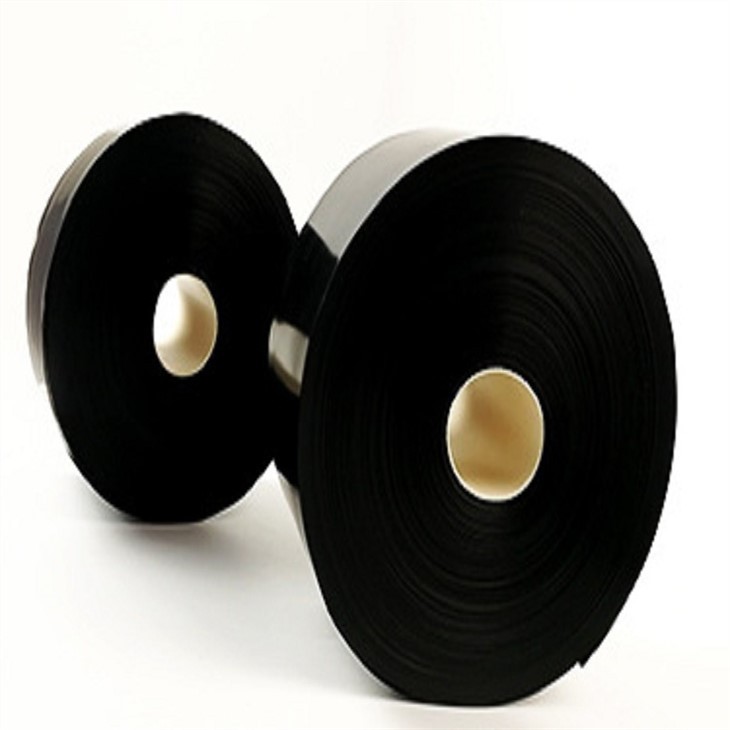
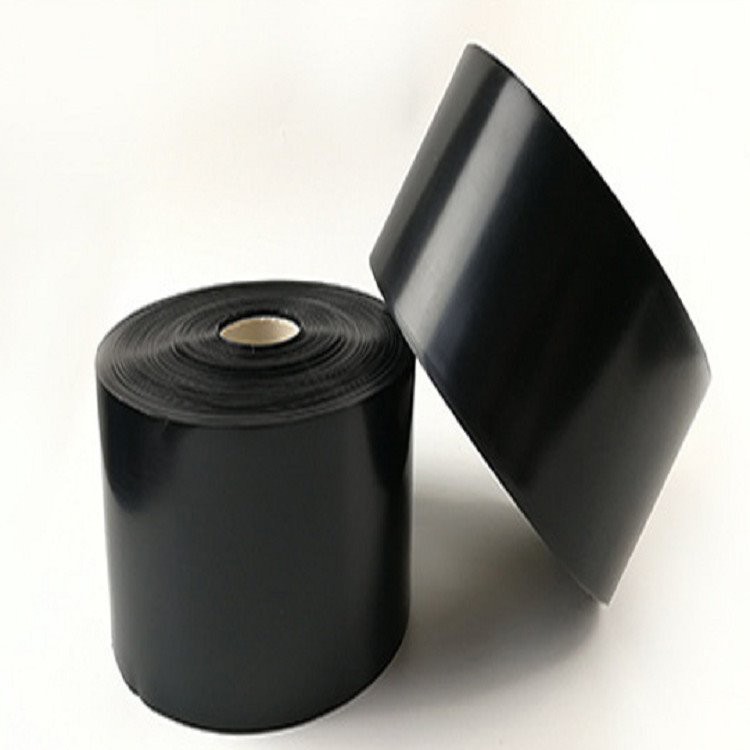
These films come in a variety of shades, from light grays to deep bronzes. A light tint can create a subtle, almost imperceptible change, while a darker tint can make a bold statement. For instance, in a city full of glass - fronted buildings, a building with a dark - tinted Functional Film stands out, creating a sense of mystery and exclusivity.
The tint also plays a role in controlling the amount of light that enters the building. This not only affects the energy efficiency but also the mood inside. A slightly tinted film can reduce glare and create a more comfortable environment, while also adding a touch of elegance to the interior spaces.
2. Creating Patterns and Textures
Functional Films aren't just about tints. They can also be used to create patterns and textures on building surfaces. Imagine a building facade that looks like it's covered in a beautiful mosaic or a textured wall that adds depth and interest. This is possible with patterned Functional Films.
These films can mimic the look of natural materials such as wood, stone, or brick. For a building that wants to blend in with its natural surroundings or give an old - world charm, a wood - patterned film can be a great choice. It gives the appearance of a solid wood facade without the high cost and maintenance associated with real wood.
Textured films, on the other hand, can add a tactile quality to the building. A rough - textured film can give the impression of a more robust and durable structure, while a smooth - textured film can create a more refined and contemporary look. The patterns and textures can be customized according to the design requirements, allowing architects and designers to unleash their creativity.
3. Changing Colors with Color - Changing Functional Films
Another amazing aesthetic effect of Functional Film is the ability to change colors. Color - changing films, also known as electrochromic or thermochromic films, can transform the appearance of a building based on external conditions such as temperature or light.
During the day, a building with a thermochromic film might have a light, bright color that reflects sunlight and keeps the interior cool. As the temperature drops in the evening, the film can change to a darker color, giving the building a completely different look. This dynamic change not only adds visual interest but also shows the building's responsiveness to its environment.
For event spaces or buildings in high - profile locations, electrochromic films can be programmed to change colors according to specific events or time of day. This can create a truly unique and memorable experience for visitors.
4. Highlighting Architectural Features
Functional Film can be used to highlight specific architectural features of a building. For example, if a building has unique columns or arches, a reflective or metallic film can be applied to these areas to make them stand out.
The Electric Conductive Film can also be used in creative ways to enhance the aesthetics. It can be incorporated into lighting systems within the building. By applying this film to certain surfaces, it can create a soft, glowing effect that draws attention to key architectural elements.
Similarly, Release Film can be used in the construction process to create clean, sharp edges on building components. This ensures that the final architectural details look precise and well - crafted, contributing to the overall aesthetic quality of the building.
5. Protecting and Preserving the Aesthetics
In addition to enhancing the appearance, Functional Film also plays a role in protecting and preserving the building's aesthetics. Rust Resistant Film can be applied to metal parts of the building, preventing rust and corrosion. This means that the building's exterior will maintain its original look for a longer time.
UV - resistant films can protect the building's interior and exterior finishes from fading due to sunlight exposure. This is especially important for buildings with painted or stained surfaces. By using these films, the colors and finishes will stay vibrant and fresh for years to come.
Why Choose Our Functional Film?
As a supplier, we take pride in offering high - quality Functional Films that not only provide great aesthetic effects but also meet the highest standards of performance and durability. Our films are easy to install, and we offer a wide range of options to suit different design needs and budgets.
If you're an architect, designer, or building owner looking to enhance the aesthetics of your next project, I encourage you to get in touch with us. We can work with you to find the perfect Functional Film solution for your building. Whether it's a small residential renovation or a large - scale commercial development, we have the expertise and products to make your vision a reality.
So, don't hesitate to reach out and start a conversation about how our Functional Film can transform your building. Let's create something beautiful together!
References
- "Building Envelope Technologies: Functional Films and Coatings" by XYZ Publications
- "Aesthetic and Functional Applications of Films in Architecture" by ABC Research Institute
- "The Future of Building Aesthetics with Functional Films" in Architectural Design Magazine