

Hey there! I'm a supplier of Refrigerator Evaporator, and today I want to chat about how the fan speed affects the refrigerator evaporator performance.
Let's start with the basics. The evaporator is a crucial part of a refrigerator. It's where the refrigerant absorbs heat from the inside of the fridge, cooling down the food and drinks. And the fan? Well, it plays a big role in moving air around the evaporator, which in turn affects how well the whole cooling process works.
The Role of the Fan in the Evaporator System
The fan in a refrigerator evaporator system is like a little helper. Its main job is to circulate air over the evaporator coils. When the air passes over these cold coils, the heat from the air gets transferred to the refrigerant inside the coils. This is how the air gets cooled down, and then it's blown back into the fridge to keep everything chilled.
Think of it this way: if you've ever stood in front of a fan on a hot day, you know how much cooler you feel. That's because the moving air helps to carry away the heat from your body. In the same way, the fan in the refrigerator helps to carry away the heat from the air inside the fridge.
How Fan Speed Affects Heat Transfer
Now, let's talk about how the fan speed impacts the heat transfer process. Heat transfer is all about how quickly and efficiently the heat moves from one place to another. In the case of the refrigerator evaporator, we want to transfer the heat from the air inside the fridge to the refrigerant in the evaporator coils as effectively as possible.
Low Fan Speed
When the fan speed is low, the air moves more slowly over the evaporator coils. This means that there's less contact between the air and the cold coils, and the heat transfer process is slower. As a result, it takes longer for the air to cool down, and the refrigerator may have a harder time maintaining a consistent temperature.
For example, if you have a fridge with a low - speed fan and you open the door to grab a snack, it will take longer for the fridge to cool back down to the set temperature. This can lead to temperature fluctuations inside the fridge, which isn't great for keeping your food fresh.
High Fan Speed
On the other hand, when the fan speed is high, the air moves more rapidly over the evaporator coils. This increases the amount of contact between the air and the coils, and the heat transfer process is much faster. The air cools down more quickly, and the refrigerator can maintain a more stable temperature.
If you have a high - speed fan in your fridge and you open the door, the fridge can quickly cool the warm air that rushes in, minimizing the temperature change inside. This is especially important for keeping sensitive items like dairy products and meats at the right temperature.
Impact on Energy Consumption
Another important aspect to consider is the energy consumption. The fan uses electricity to run, and the faster it runs, the more energy it consumes.
Low Fan Speed and Energy
A low - speed fan uses less energy because it doesn't require as much power to move the air. However, as we mentioned earlier, a low - speed fan may result in longer cooling cycles for the refrigerator. If the fridge has to run for longer periods to maintain the desired temperature, it could end up using more energy overall.
High Fan Speed and Energy
A high - speed fan uses more energy directly because of its higher power requirements. But since it can cool the air more quickly, it may reduce the overall running time of the refrigerator compressor. The compressor is the most energy - hungry component in a refrigerator, so if the high - speed fan can shorten its running time, it could potentially save energy in the long run.
Effect on Frost Formation
Frost formation on the evaporator coils is a common issue in refrigerators. When the warm, moist air comes into contact with the cold coils, the moisture in the air can freeze and form frost.
Low Fan Speed and Frost
With a low - speed fan, the air moves slowly over the coils, and the moisture in the air has more time to accumulate and freeze on the coils. This can lead to a thicker layer of frost, which can insulate the coils and reduce their efficiency. As the frost builds up, the heat transfer process becomes even slower, and the refrigerator has to work harder to cool the air.
High Fan Speed and Frost
A high - speed fan can help to reduce frost formation. The rapid movement of air over the coils means that the moisture in the air is less likely to settle and freeze. It also helps to keep the surface of the coils at a more uniform temperature, which can prevent the formation of large ice crystals.
The Ideal Fan Speed
So, what's the ideal fan speed for a refrigerator evaporator? Well, it depends on a few factors, such as the size of the refrigerator, the insulation, and the type of food being stored.
In general, a variable - speed fan is the best option. This type of fan can adjust its speed based on the temperature inside the fridge and the cooling demand. For example, when the fridge door is opened and a lot of warm air rushes in, the fan can increase its speed to quickly cool the new air. When the fridge is at a stable temperature, the fan can slow down to save energy.
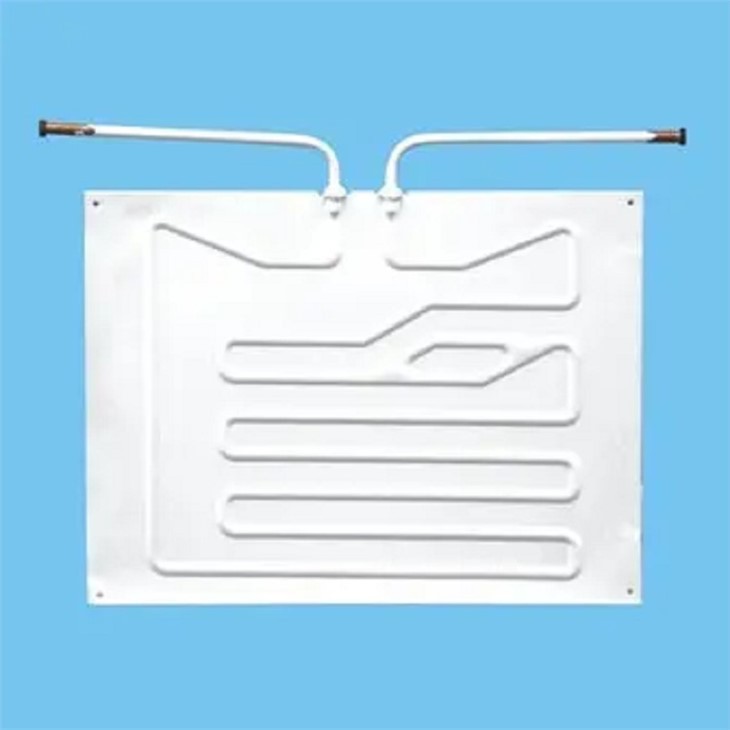
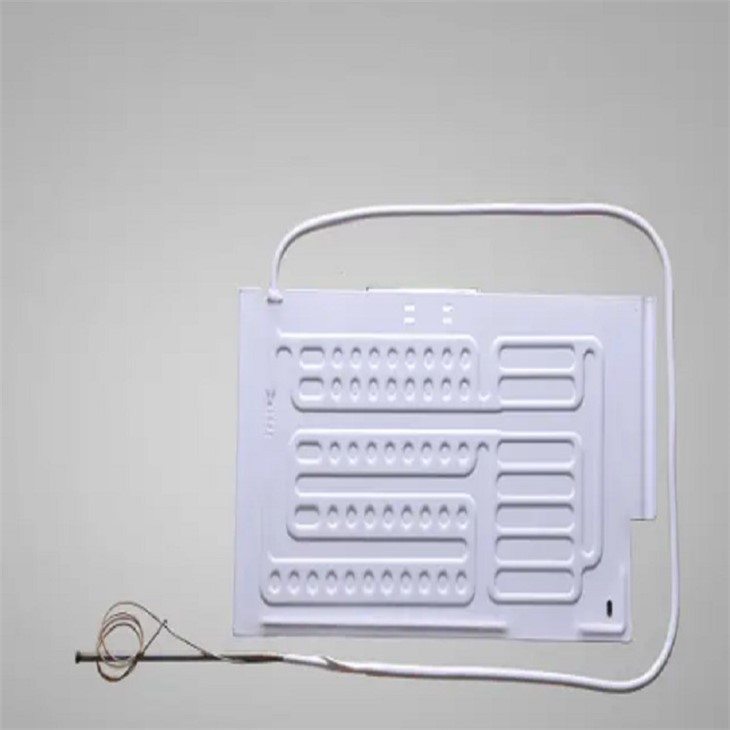
Our Bonded Type Evaporator and Fan Speed
As a supplier of Refrigerator Evaporator, we understand the importance of fan speed in the performance of our products. Our Bonded Type Evaporator is designed to work efficiently with different fan speeds.
The bonded design of our evaporator ensures good heat transfer, whether the fan is running at a low or high speed. And when paired with a variable - speed fan, it can provide optimal cooling performance while keeping energy consumption in check.
Wrapping Up and Reaching Out
In conclusion, the fan speed has a significant impact on the performance of a refrigerator evaporator. It affects heat transfer, energy consumption, and frost formation. By choosing the right fan speed, either through a variable - speed fan or a well - designed system, you can ensure that your refrigerator runs efficiently and keeps your food fresh.
If you're in the market for a high - quality Refrigerator Evaporator, we'd love to talk to you. We have a wide range of products that are designed to meet different needs and budgets. Whether you're a refrigerator manufacturer looking for a reliable evaporator supplier or a repair shop in need of replacement parts, we're here to help. Contact us for more information and let's start a conversation about how we can work together to improve your refrigeration systems.
References
- ASHRAE Handbook - Refrigeration. American Society of Heating, Refrigerating and Air - Conditioning Engineers.
- Stoecker, W. F., & Jones, J. W. (1982). Refrigeration and Air Conditioning. McGraw - Hill.