

Hey there! As a supplier of Refrigerator Evaporator, I've seen firsthand how the material of a refrigerator evaporator can have a huge impact on its performance. In this blog, I'm gonna break down the different materials used in evaporators and how they affect things like efficiency, durability, and cost.
The Role of the Evaporator in a Refrigerator
Before we dive into the materials, let's quickly go over what an evaporator does in a refrigerator. The evaporator is a key component in the refrigeration cycle. It's where the refrigerant absorbs heat from the inside of the fridge, turning from a liquid into a gas. This process cools down the interior of the refrigerator, keeping your food fresh.
Common Materials Used in Refrigerator Evaporators
Copper
Copper is one of the most popular materials for refrigerator evaporators, and for good reason. It's an excellent conductor of heat, which means it can quickly absorb heat from the fridge's interior. This leads to faster cooling and better energy efficiency. When the refrigerant flows through the copper tubes of the evaporator, it can easily pick up heat, allowing the fridge to reach the desired temperature more rapidly.
Another advantage of copper is its durability. It's resistant to corrosion, which is important since the evaporator is constantly exposed to moisture and various chemicals in the air. This means that copper evaporators can last a long time, reducing the need for frequent replacements.
However, copper does have its drawbacks. It's relatively expensive compared to some other materials. This can increase the overall cost of the refrigerator, which might be a concern for budget - conscious consumers. Also, copper is a relatively soft metal, so it can be more easily damaged during installation or if the fridge is moved around.
Aluminum
Aluminum is another commonly used material for refrigerator evaporators. It's much lighter than copper, which can be an advantage in terms of transportation and installation. Lighter evaporators also mean that the overall weight of the refrigerator is reduced, which can be beneficial for shipping and handling.

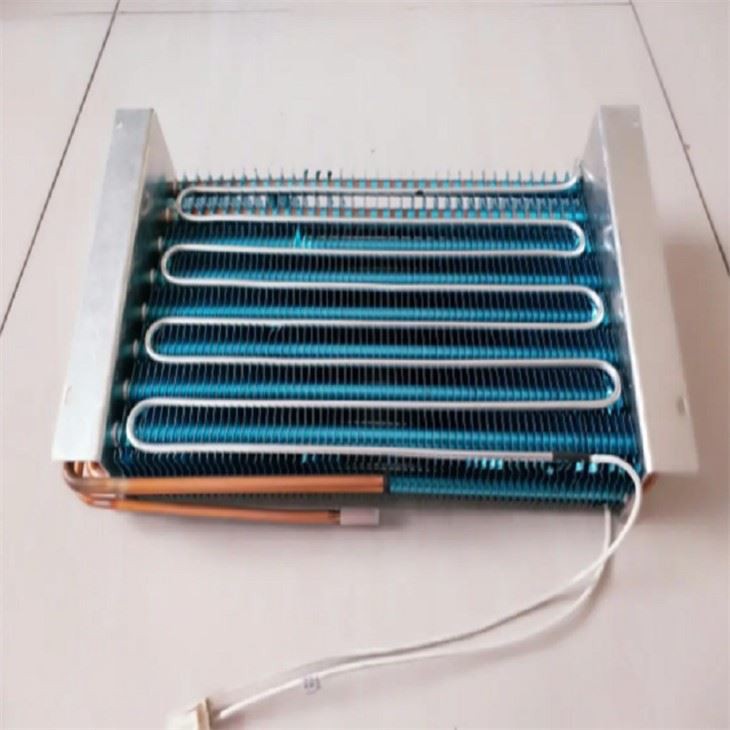
Aluminum is also a good conductor of heat, although not as good as copper. It can still effectively transfer heat from the inside of the fridge to the refrigerant. In addition, aluminum is more affordable than copper, making it a popular choice for manufacturers looking to keep costs down.
One of the main issues with aluminum is its susceptibility to corrosion. Unlike copper, aluminum can corrode when exposed to certain chemicals or high - humidity environments. This can lead to a decrease in the evaporator's performance over time and may eventually require replacement.
Steel
Steel is sometimes used in the construction of refrigerator evaporators, especially in commercial refrigeration units. It's extremely strong and durable, able to withstand rough handling and harsh environments. Steel evaporators can last for a very long time, even in industrial settings where the fridge might be subject to more wear and tear.
However, steel is not as good a heat conductor as copper or aluminum. This means that steel evaporators may not be as energy - efficient as those made from other materials. They may take longer to cool the fridge and may require more energy to maintain the desired temperature.
Impact on Performance
Efficiency
As mentioned earlier, the heat - conducting properties of the evaporator material play a crucial role in the efficiency of the refrigerator. A more efficient evaporator can transfer heat more quickly, allowing the fridge to cool down faster and use less energy in the process. Copper evaporators, with their excellent heat - conducting capabilities, generally offer the highest efficiency. Aluminum evaporators are also relatively efficient but not quite on par with copper. Steel evaporators, due to their lower heat - conducting ability, are the least efficient of the three.
Durability
The durability of the evaporator material affects how long the evaporator will last and how often it needs to be replaced. Copper and steel are known for their durability. Copper resists corrosion well, and steel is strong and can withstand physical damage. Aluminum, on the other hand, is more prone to corrosion, which can shorten its lifespan.
Cost
The cost of the evaporator material has a direct impact on the price of the refrigerator. Copper is the most expensive material, followed by steel, and then aluminum. Manufacturers need to balance the cost of the material with the performance and durability it offers. For example, high - end refrigerators may use copper evaporators to provide better performance, while budget - friendly models may opt for aluminum.
Bonded Type Evaporator and Material
Bonded type evaporators are a special type of evaporator where the refrigerant channels are bonded to a metal plate. The choice of material for the plate and the channels can also affect performance. For example, if the bonded type evaporator uses a copper plate and copper channels, it will have excellent heat transfer properties. An aluminum - based bonded type evaporator will be more affordable but may have slightly lower performance in terms of heat transfer.
Making the Right Choice
When it comes to choosing the right evaporator material, it depends on a variety of factors. For consumers who prioritize energy efficiency and are willing to pay a bit more, a refrigerator with a copper evaporator might be the best choice. Those on a budget may prefer an aluminum evaporator, which offers a good balance between cost and performance. Commercial users who need a durable evaporator that can withstand tough conditions may opt for a steel evaporator.
As a Refrigerator Evaporator supplier, we understand the importance of these factors. We offer a wide range of evaporators made from different materials to meet the diverse needs of our customers. Whether you're a refrigerator manufacturer looking for high - quality components or a consumer in the market for a new fridge, we can help you find the right evaporator for your requirements.
If you're interested in learning more about our products or have any questions regarding refrigerator evaporators, feel free to reach out to us. We're always happy to assist with any procurement discussions and help you make an informed decision.
References
- "Refrigeration and Air Conditioning Technology" by William C. Whitman, William M. Johnson, and John Tomczyk.
- Various industry reports on refrigerator component materials.