

As a supplier of Food Packaging Bag, I often encounter questions from clients regarding the use of colorants in food packaging bags. This topic is of great significance, as the safety of food packaging directly impacts consumer health. In this blog, I will delve into the restrictions on colorants used in food packaging bags, shedding light on the scientific and regulatory aspects.
The Importance of Colorants in Food Packaging Bags
Colorants play a crucial role in food packaging. They enhance the visual appeal of the packaging, making the products more attractive to consumers. A well - colored packaging can also convey brand identity and information about the product. For example, a bright red color might be associated with a spicy food product, while a green color could imply natural or healthy ingredients.
In addition to aesthetics, colorants can also provide functional benefits. Some colorants can act as light barriers, protecting the food inside from the harmful effects of UV light, which can cause spoilage, nutrient loss, and changes in flavor.
Regulatory Restrictions on Colorants
The use of colorants in food packaging bags is strictly regulated in many countries. These regulations are in place to ensure that the colorants do not pose a risk to human health.
European Union (EU) Regulations
In the EU, the use of colorants in food contact materials is governed by Regulation (EC) No 1935/2004. This regulation sets out the general safety requirements for all materials and articles intended to come into contact with food. For colorants, specific regulations further define the permitted substances, their purity criteria, and migration limits.
The EU has a positive list of colorants that are allowed for use in food contact materials. This means that only the colorants included in the list can be used, and they must meet certain purity and safety standards. For example, heavy metal impurities in colorants are strictly limited to prevent potential toxic effects.

United States Regulations
In the United States, the Food and Drug Administration (FDA) regulates the use of colorants in food packaging. The FDA has established a comprehensive set of regulations that cover the safety evaluation and approval of colorants for food contact applications.
Colorants used in food packaging must be evaluated for their safety based on factors such as their chemical composition, potential for migration into food, and toxicological properties. The FDA also requires manufacturers to submit detailed information about the colorants, including their manufacturing processes, purity specifications, and intended use levels.
Other Countries and Regions
Many other countries and regions have their own regulations regarding colorants in food packaging. For example, China has its own national standards for food contact materials, which include requirements for colorants. These standards aim to ensure the safety of food packaging and protect the health of consumers.
Types of Colorants and Their Restrictions
There are two main types of colorants used in food packaging bags: pigments and dyes.
Pigments
Pigments are insoluble colorants that are dispersed in the packaging material. They are generally considered to be more stable and less likely to migrate into food compared to dyes.
However, pigments still need to meet certain safety requirements. For example, inorganic pigments, such as titanium dioxide, are commonly used in food packaging. While titanium dioxide is generally recognized as safe, recent studies have raised concerns about its potential health effects when inhaled or ingested in large amounts. As a result, some regulatory authorities are re - evaluating its use in food contact materials.
Dyes
Dyes are soluble colorants that can dissolve in the packaging material or the food. They are more likely to migrate into food compared to pigments, which is why their use is more restricted.
Some dyes may contain harmful substances, such as aromatic amines, which are known to be carcinogenic. Therefore, the use of certain dyes in food packaging is strictly prohibited in many countries.
Migration of Colorants into Food
One of the main concerns regarding colorants in food packaging bags is their potential to migrate into food. Migration occurs when the colorants move from the packaging material into the food product.
The rate of migration depends on several factors, including the type of colorant, the nature of the packaging material, the food type, and the storage conditions. For example, fatty foods are more likely to absorb colorants compared to dry foods, as many colorants are soluble in fats.
To ensure the safety of food packaging, regulatory authorities set migration limits for colorants. These limits specify the maximum amount of colorant that can migrate into food under specific conditions. Manufacturers are required to test their packaging materials to ensure that the migration levels are within the permitted limits.
Our Approach as a Food Packaging Bag Supplier
As a supplier of Food Packaging Bag, we take the safety of our products very seriously. We only use colorants that are approved by relevant regulatory authorities.
Before using a new colorant, we conduct thorough research and testing to ensure that it meets all the safety requirements. We work closely with our raw material suppliers to obtain detailed information about the colorants, including their chemical composition, purity, and migration properties.
We also have a strict quality control system in place. Our packaging materials are regularly tested for colorant migration to ensure that they comply with the regulatory limits. This helps us to provide our customers with high - quality and safe food packaging bags.
Special Considerations for Aluminum Foil Vacuum Bag
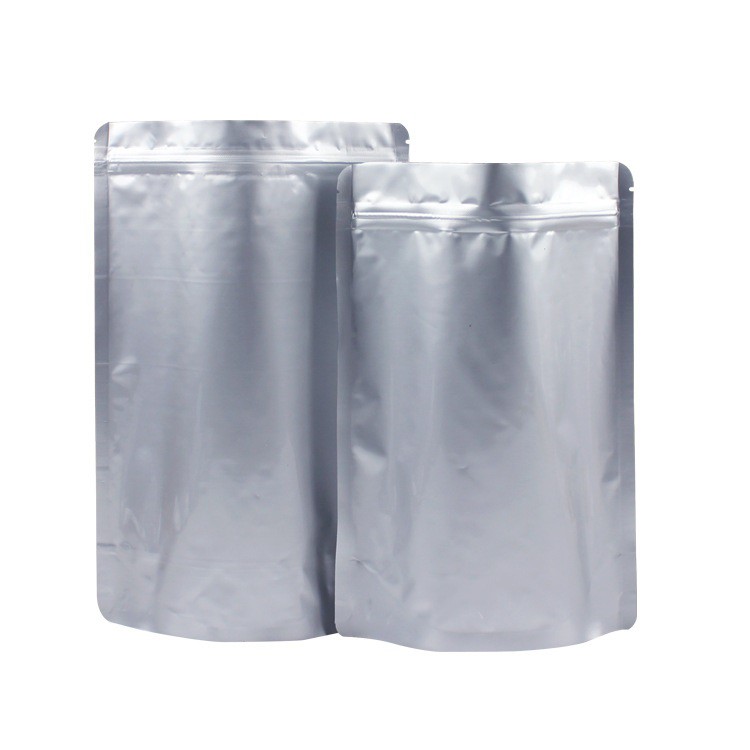
Aluminum foil vacuum bags are widely used in the food industry due to their excellent barrier properties. When it comes to colorants in aluminum foil vacuum bags, there are some special considerations.
The aluminum foil layer in these bags can act as a barrier to colorant migration. However, the outer layer of the bag, which is often made of plastic, may contain colorants. Therefore, it is still important to ensure that the colorants used in the outer layer are safe and do not migrate into the food.
In addition, the vacuum packaging process can affect the migration of colorants. The reduced oxygen and pressure inside the vacuum bag may change the chemical environment, which could potentially influence the migration rate of colorants. We take these factors into account when developing and testing our aluminum foil vacuum bags.
Conclusion
In conclusion, there are indeed significant restrictions on the colorants used in food packaging bags. These restrictions are essential to protect consumer health and ensure the safety of food products. As a supplier of food packaging bags, we are committed to complying with all relevant regulations and providing our customers with safe and high - quality products.
If you are in the market for food packaging bags, whether it's Food Packaging Bag or Aluminum Foil Vacuum Bag, we would be delighted to have a discussion with you. Our team of experts can provide you with detailed information about our products and help you choose the most suitable packaging solution for your needs. Contact us today to start the procurement negotiation process and ensure that your food products are packaged safely and attractively.
References
- Regulation (EC) No 1935/2004 of the European Parliament and of the Council of 27 October 2004 on materials and articles intended to come into contact with food.
- U.S. Food and Drug Administration regulations on colorants in food contact materials.
- National standards of China for food contact materials.