

Hey there! As a supplier of Electric Conductive Film, I've been diving deep into the world of conductive fillers and how they impact the performance of these films. Let's break it down and see what's going on.
First off, what are conductive fillers? Well, they're materials that are added to the base film to make it conductive. Different types of conductive fillers have different properties, and these properties can really change how the Electric Conductive Film works.
One of the most common types of conductive fillers is carbon-based fillers. Carbon black is a popular choice. It's relatively inexpensive and can provide decent conductivity. When you add carbon black to the film, it forms a network of conductive paths within the polymer matrix of the film. This network allows electrons to move around, making the film conductive.
However, the amount of carbon black you add matters a lot. If you add too little, there won't be enough conductive paths, and the film won't conduct electricity well. On the other hand, if you add too much, it can make the film brittle and hard to process. So, finding the right balance is crucial.
Another carbon-based filler is carbon nanotubes. These are super tiny, tube-shaped structures made of carbon atoms. Carbon nanotubes are amazing because they have extremely high electrical conductivity. They can form a very efficient conductive network in the film even at low concentrations.
This means that you can get good conductivity with less filler, which is great for maintaining the mechanical properties of the film. But carbon nanotubes are also more expensive than carbon black, so cost is a factor to consider.
Metal-based fillers are also widely used. Silver is a top choice when it comes to metal fillers. Silver has the highest electrical conductivity of all metals. When silver particles are added to the film, they create a highly conductive network.
Silver-filled Electric Conductive Films are often used in applications where high conductivity is essential, like in electronic devices. However, silver is quite expensive, and it can also be prone to oxidation over time, which can reduce its conductivity.
Copper is another metal filler. It's cheaper than silver and also has good electrical conductivity. But copper is even more prone to oxidation than silver. So, special coatings or treatments are often needed to protect the copper particles in the film and maintain its conductivity.
Now, let's talk about how these different fillers affect the performance of the Electric Conductive Film in various aspects. First up is electrical conductivity. As we've seen, the type of filler and its concentration have a big impact on how well the film conducts electricity.
Films filled with silver or carbon nanotubes generally have the highest conductivity. But as I mentioned, cost and other factors like oxidation resistance need to be considered. For applications where high conductivity isn't absolutely critical, carbon black or copper fillers might be more suitable.
Mechanical properties are also important. The amount and type of filler can change how strong, flexible, and tough the film is. For example, adding too much filler, especially large particles, can make the film brittle and less flexible.
Carbon nanotubes are great in this regard because they can provide good conductivity at low concentrations, which helps to keep the film's mechanical properties intact. On the other hand, metal fillers can sometimes make the film heavier and less flexible, depending on the amount used.
Thermal conductivity is another aspect. Some conductive fillers can also improve the film's ability to conduct heat. For example, metal fillers like silver and copper are good thermal conductors. This can be beneficial in applications where heat dissipation is important, like in electronic components.
The stability of the film is also affected by the filler. Oxidation of metal fillers can lead to a decrease in conductivity over time. And some fillers might react with the polymer matrix of the film, which can also affect its performance.
For example, if the filler causes the polymer to degrade, the mechanical and electrical properties of the film can be compromised. So, choosing a filler that is stable and compatible with the polymer is crucial.
In addition to these performance aspects, there are also other factors to consider when choosing a conductive filler. Environmental concerns are becoming more and more important. Some fillers, like certain metals, can be harmful to the environment if not properly disposed of.
And of course, cost is always a big factor. As a supplier, I need to balance the performance requirements of the Electric Conductive Film with the cost of the filler. This helps to offer products that are both high-quality and cost-effective for my customers.
At our company, we offer a range of Electric Conductive Films with different fillers to meet the diverse needs of our customers. Whether you need a film with high conductivity for advanced electronic applications or a more cost-effective option for general use, we've got you covered.
If you're interested in our Electric Conductive Film, or if you have any questions about how different fillers can affect the performance of the film for your specific application, don't hesitate to reach out. We're here to help you find the perfect solution.

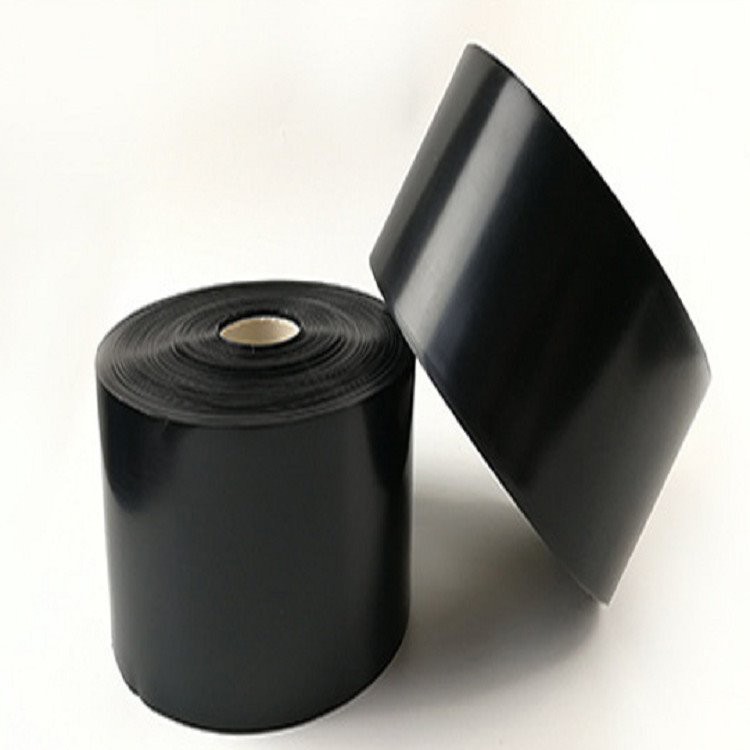
We also offer other types of functional films, like Anti Ageing Film and Rust Resistant Film. These films have their own unique properties and applications, and we can provide you with all the information you need.
So, if you're in the market for any of these films, or if you just want to learn more, feel free to contact us. We're looking forward to working with you and helping you get the best films for your needs.
References
- "Conductive Polymers and Their Applications" by X. Zhang and Y. Wang
- "Advanced Materials for Electric Conductive Films" by L. Chen and S. Liu
- "Electrical and Mechanical Properties of Conductive Polymer Composites" by D. Li and H. Zhao