

The mucous membranes are thin layers of tissue that line various cavities and organs in the body, including the nose, mouth, throat, lungs, digestive tract, and genital area. These membranes play a crucial role in protecting the body from pathogens, lubricating surfaces, and facilitating the absorption of nutrients. When the mucous membranes are damaged, it can lead to a range of symptoms that can significantly impact a person's health and well - being. As a mucous membrane supplier, understanding these symptoms is essential for providing appropriate solutions and products.
Symptoms of a Damaged Mucous Membrane
1. Dryness
One of the most common symptoms of damaged mucous membranes is dryness. When the mucous membranes are healthy, they secrete mucus, which helps to keep the surfaces moist. However, damage to these membranes can disrupt the normal production of mucus, leading to dryness.
In the mouth, dry mucous membranes can cause a feeling of cotton - mouth, making it difficult to speak, swallow, or taste food properly. This can also lead to an increased risk of dental problems, such as cavities and gum disease, as the lack of saliva fails to wash away bacteria and neutralize acids.
In the nasal passages, dryness can cause discomfort, itching, and even nosebleeds. The dry air can irritate the delicate mucous membranes, leading to cracking and bleeding. People may also experience difficulty breathing through the nose, as the dryness can cause the mucus to become thick and sticky, blocking the airways.
In the eyes, dry mucous membranes can result in dry eye syndrome. Symptoms include a burning or stinging sensation, redness, blurred vision, and a feeling of grittiness in the eyes. This can make it uncomfortable to read, watch TV, or use a computer for extended periods.
2. Irritation and Inflammation
Damaged mucous membranes are often prone to irritation and inflammation. This can be caused by a variety of factors, such as exposure to allergens, toxins, chemicals, or infections.
In the respiratory system, irritation of the mucous membranes in the throat and lungs can lead to coughing, wheezing, and shortness of breath. Allergens like pollen, dust mites, or pet dander can trigger an immune response in the mucous membranes, causing them to become inflamed. Infections, such as the common cold, flu, or bronchitis, can also cause inflammation of the respiratory mucous membranes, leading to these symptoms.
In the digestive tract, irritation of the mucous membranes can cause abdominal pain, bloating, diarrhea, or constipation. Certain foods, medications, or infections can irritate the lining of the stomach and intestines. For example, spicy foods, alcohol, or non - steroidal anti - inflammatory drugs (NSAIDs) can damage the mucous membranes in the stomach, leading to gastritis or ulcers.
In the genital area, irritation and inflammation of the mucous membranes can cause itching, burning, and pain. Sexually transmitted infections (STIs), yeast infections, or allergic reactions to certain products like soaps or detergents can damage the genital mucous membranes, leading to these symptoms.
3. Increased Susceptibility to Infections
The mucous membranes act as a first line of defense against pathogens. When they are damaged, this protective barrier is compromised, making the body more susceptible to infections.
In the respiratory system, damaged mucous membranes can allow bacteria, viruses, and fungi to enter the body more easily. This can lead to more frequent and severe respiratory infections, such as pneumonia or sinusitis.
In the digestive tract, a weakened mucous membrane can increase the risk of gastrointestinal infections, such as salmonella or E. coli. These infections can cause symptoms like nausea, vomiting, diarrhea, and abdominal cramps.
In the urinary tract, damaged mucous membranes can make it easier for bacteria to cause urinary tract infections (UTIs). Symptoms of a UTI include a frequent urge to urinate, pain or burning during urination, and cloudy or bloody urine.
4. Ulcers and Lesions
In some cases, severe damage to the mucous membranes can result in the formation of ulcers and lesions. An ulcer is a break in the continuity of the mucous membrane, while a lesion is an abnormal area of tissue.
In the mouth, oral ulcers, also known as canker sores, can be painful and make it difficult to eat or speak. These ulcers can be caused by a variety of factors, including stress, nutritional deficiencies, or viral infections.
In the digestive tract, peptic ulcers can form in the stomach or the upper part of the small intestine. These ulcers are often caused by the bacterium Helicobacter pylori or the long - term use of NSAIDs. Symptoms of peptic ulcers include abdominal pain, especially between meals or at night, nausea, vomiting, and weight loss.
In the genital area, genital ulcers can be a sign of an STI, such as herpes or syphilis. These ulcers are often painful and can be accompanied by other symptoms like itching, burning, and discharge.

Our Products for Mucous Membrane Health
As a mucous membrane supplier, we offer a range of products designed to support the health and repair of mucous membranes. Our products are formulated with high - quality ingredients that have been scientifically proven to promote the integrity and function of these delicate tissues.
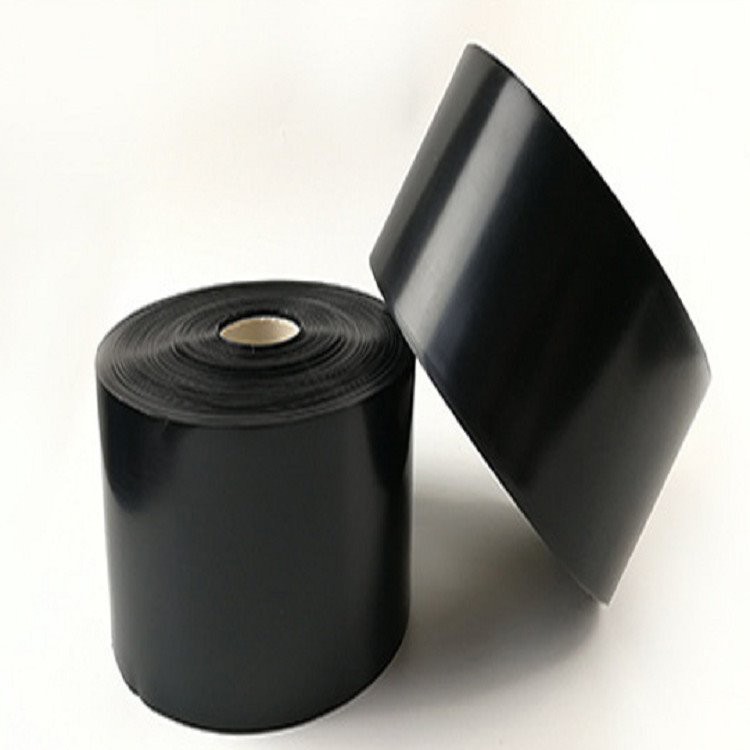
We also provide innovative solutions such as Anti Ageing Film that can be used in various applications related to mucous membrane protection. This film has unique properties that can help in maintaining the moisture and elasticity of the mucous membranes, reducing the risk of dryness and damage.
In addition, our Electric Conductive Film and Electric Conductive Film have potential applications in medical devices that can be used to monitor and treat mucous membrane conditions. These films can be integrated into sensors or electrodes that can provide valuable information about the health of the mucous membranes.
Contact Us for Purchase and Consultation
If you are interested in our products for mucous membrane health, we encourage you to reach out to us for more information. Whether you are a medical professional, a researcher, or an individual looking for solutions to improve your mucous membrane health, we are here to assist you. We can provide detailed product specifications, samples, and pricing information to help you make an informed decision. Contact us today to start a discussion about your specific needs and how our products can meet them.
References
- Guyton, A. C., & Hall, J. E. (2016). Textbook of Medical Physiology. Elsevier.
- Harrison's Principles of Internal Medicine. (2018). McGraw - Hill Education.
- Robbins and Cotran Pathologic Basis of Disease. (2020). Elsevier.