

Yo, I'm a supplier of Single System Bonding Evaporators, and I've been getting a lot of questions lately about how to improve the evaporation stability of these things. So, I thought I'd write up a blog post to share some tips and tricks that I've picked up over the years.
First off, let's talk about what evaporation stability is. Essentially, it's how consistent the evaporation process is over time. If your evaporator has good evaporation stability, it'll be able to maintain a steady rate of evaporation, which is super important for things like refrigeration systems. If the evaporation rate fluctuates too much, it can lead to all sorts of problems, like inconsistent cooling, increased energy consumption, and even damage to the system.
So, how can you improve the evaporation stability of a Single System Bonding Evaporator? Well, there are a few key factors to consider.
1. Proper Installation
One of the most important things you can do to improve evaporation stability is to make sure your evaporator is installed correctly. This means following the manufacturer's instructions carefully and making sure all the connections are tight and secure. A loose connection can cause leaks, which can disrupt the evaporation process and lead to instability.
Also, pay attention to the location of the evaporator. It should be installed in a well-ventilated area with good air circulation. If the air around the evaporator is too stagnant, it can cause the temperature to build up, which can affect the evaporation rate.
2. Regular Maintenance
Regular maintenance is crucial for keeping your evaporator running smoothly and maintaining good evaporation stability. This includes things like cleaning the evaporator coils, checking the refrigerant levels, and inspecting the system for any signs of wear or damage.
Dirty coils can reduce the efficiency of the evaporation process and cause the system to work harder than it needs to. So, make sure to clean the coils at least once a year, or more often if the evaporator is used in a particularly dirty or dusty environment.
Checking the refrigerant levels is also important. If the refrigerant levels are too low, it can cause the evaporation rate to drop, which can lead to instability. On the other hand, if the levels are too high, it can put extra stress on the system and cause other problems. So, make sure to check the refrigerant levels regularly and add or remove refrigerant as needed.
3. Quality Components
Using high-quality components is another important factor in improving evaporation stability. When you're purchasing a Single System Bonding Evaporator, make sure to choose one that's made from high-quality materials and has a good reputation for reliability.
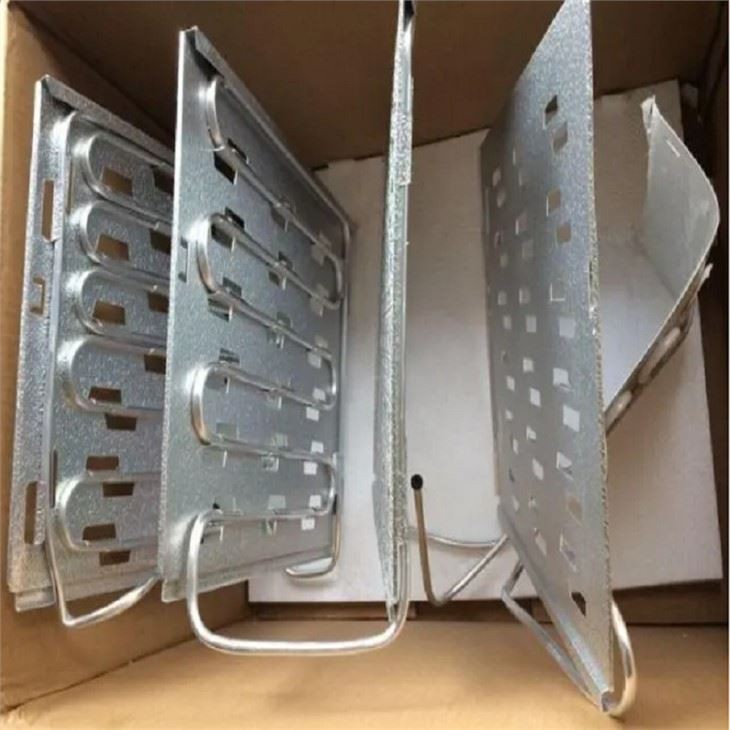

For example, the Bonded Type Evaporator is a great option. It's designed to provide consistent evaporation performance and is built to last. Similarly, the Refrigerator Evaporator is also a popular choice for many refrigeration systems.
4. Optimize the Operating Conditions
The operating conditions of the evaporator can also have a big impact on evaporation stability. For example, the temperature and humidity of the environment can affect the evaporation rate. If the temperature is too high or the humidity is too low, it can cause the evaporation rate to increase, which can lead to instability.
So, try to keep the operating conditions as stable as possible. If you're using the evaporator in a refrigeration system, make sure to set the temperature and humidity controls to the recommended levels. Also, avoid exposing the evaporator to extreme temperatures or humidity changes, as this can cause the evaporation rate to fluctuate.
5. Monitor the Performance
Finally, it's important to monitor the performance of the evaporator regularly. This can help you identify any potential problems early on and take corrective action before they become serious.
You can monitor the performance of the evaporator by checking the temperature and pressure readings, as well as the evaporation rate. If you notice any significant changes in these readings, it could be a sign of a problem. For example, if the temperature or pressure readings are higher or lower than normal, it could indicate a leak or a blockage in the system.
In conclusion, improving the evaporation stability of a Single System Bonding Evaporator requires a combination of proper installation, regular maintenance, high-quality components, optimized operating conditions, and performance monitoring. By following these tips, you can ensure that your evaporator operates at peak efficiency and provides consistent evaporation performance over time.
If you're interested in learning more about Single System Bonding Evaporators or have any questions about improving evaporation stability, feel free to reach out. We're here to help you find the best solutions for your needs. Whether you're a small business owner or a large industrial facility, we've got the expertise and experience to provide you with top-quality evaporators and support. Let's start a conversation and see how we can work together to meet your requirements.
References
- Industry standards and guidelines for evaporator installation and maintenance
- Manufacturer's manuals for Single System Bonding Evaporators