

How to Seal a High Pressure Bag Correctly
As a leading supplier of high pressure bags, I understand the importance of proper sealing techniques. A well - sealed high pressure bag not only ensures the integrity of the contents but also enhances the overall performance and safety of the bag. In this blog post, I will share some professional insights on how to seal a high pressure bag correctly.
Understanding High Pressure Bags
High pressure bags are designed to withstand significant internal pressure without leaking or bursting. They are commonly used in various industries, such as food packaging, medical supplies, and industrial applications. These bags are typically made from high - strength materials, such as polyethylene (PE), which can resist the forces exerted by the high pressure inside.
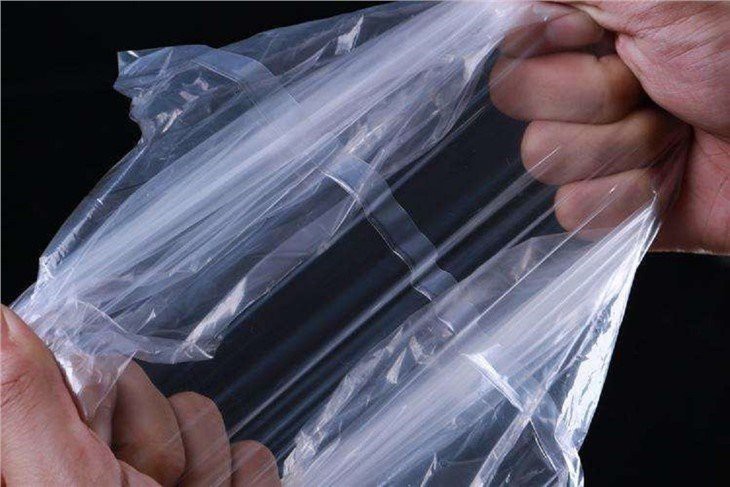
The PE Pocket is a popular type of high pressure bag due to its excellent chemical resistance, flexibility, and durability. PE is also relatively inexpensive, making it a cost - effective choice for many applications.
Preparation Before Sealing
Before sealing a high pressure bag, it is crucial to prepare the bag and the contents properly. First, ensure that the bag is clean and free from any debris or contaminants. Any foreign particles on the sealing area can prevent a proper seal from forming, leading to leaks.
Next, carefully place the contents inside the bag. Make sure not to overfill the bag, as excessive contents can put too much pressure on the seal and cause it to fail. Leave some headspace at the top of the bag to allow for expansion during the sealing process.
Sealing Methods
There are several methods for sealing high pressure bags, each with its own advantages and disadvantages.
Heat Sealing
Heat sealing is one of the most common methods for sealing high pressure bags. This method involves applying heat to the sealing area of the bag to melt the plastic and create a bond. To perform heat sealing, you will need a heat sealer, which can be either a handheld device or a larger industrial machine.
When using a heat sealer, set the temperature and time according to the type and thickness of the bag material. For PE bags, a typical sealing temperature ranges from 150°C to 200°C, and the sealing time can be between 1 to 3 seconds. It is important to test the settings on a scrap piece of the same bag material before sealing the actual bag to ensure the optimal seal quality.
Place the open end of the bag between the heating elements of the sealer and apply pressure evenly. The heat will melt the plastic, and as it cools, it will form a strong, airtight seal. After sealing, allow the bag to cool completely before handling it to prevent the seal from breaking.
Ultrasonic Sealing
Ultrasonic sealing is another effective method for sealing high pressure bags. This technique uses high - frequency ultrasonic vibrations to generate heat at the sealing interface. The heat melts the plastic, creating a bond without the need for external heat sources.
Ultrasonic sealing offers several advantages, such as fast sealing speed, precise control, and the ability to seal complex shapes. However, it requires specialized equipment, which can be more expensive than heat sealers.
To use ultrasonic sealing, place the bag between the ultrasonic horn and the anvil. The horn vibrates at a high frequency, causing the plastic to heat up and bond. The sealing process is quick, usually taking less than a second. Ultrasonic sealing is suitable for thin - walled high pressure bags, such as those used in medical packaging.
Zip - Lock Sealing
Zip - lock sealing is a simple and convenient method for sealing high pressure bags, especially for bags that need to be opened and closed multiple times. These bags have a built - in zip - lock mechanism that allows for easy access to the contents.
When using a zip - lock bag, make sure to clean the zip - lock area before closing it. Run your finger along the zip - lock to ensure that it is fully engaged and there are no gaps. For high pressure applications, you may also consider using an additional heat seal on top of the zip - lock to provide extra security.
Quality Control
After sealing a high pressure bag, it is essential to perform quality control checks to ensure the integrity of the seal. One common method is the visual inspection. Look for any signs of uneven sealing, such as gaps, bubbles, or tears in the seal. If you notice any defects, the bag should be re - sealed or discarded.
Another method is the pressure test. This involves subjecting the sealed bag to a controlled amount of pressure to check for leaks. You can use a pressure chamber or a simple manual pressure tester. If the bag shows any signs of leakage during the pressure test, the seal is not adequate, and you need to take corrective measures.
Tips for Optimal Sealing
- Maintain a Clean Work Environment: A clean work area helps prevent contaminants from getting into the seal and affecting its quality.
- Use the Right Tools: Make sure to use the appropriate sealing equipment for the type of high pressure bag you are working with.
- Train Your Staff: If you have employees involved in the sealing process, provide them with proper training on sealing techniques and quality control.
- Store Bags Properly: After sealing, store the bags in a cool, dry place to prevent the seal from deteriorating over time.
Conclusion
Properly sealing a high pressure bag is crucial for ensuring the safety and integrity of the contents. By understanding the different sealing methods, performing quality control checks, and following the tips mentioned above, you can achieve a reliable and long - lasting seal.
As a supplier of high pressure bags, we offer a wide range of products, including Square Bottom Bag and Square Bottom Bag, which are suitable for various high pressure applications. If you are interested in purchasing our high - quality high pressure bags or have any questions about sealing techniques, please feel free to contact us for more information and to start a procurement negotiation.

References
- Packaging Machinery Manufacturers Institute (PMMI). "Sealing Technologies for Packaging."
- Plastics Industry Association. "Guide to Plastic Packaging Materials and Sealing Methods."