

As a supplier of Food Packaging Bags, I've seen firsthand the importance of air-tight packaging. It's not just about keeping the food fresh; it's also about protecting it from the elements and extending its shelf life. In this blog post, I'll share some tips on how to make food packaging bags more air-tight, based on my experience in the industry.
Material Selection
The first step in creating an air-tight food packaging bag is choosing the right material. Different materials have different barrier properties, which determine how well they can block out air, moisture, and light.
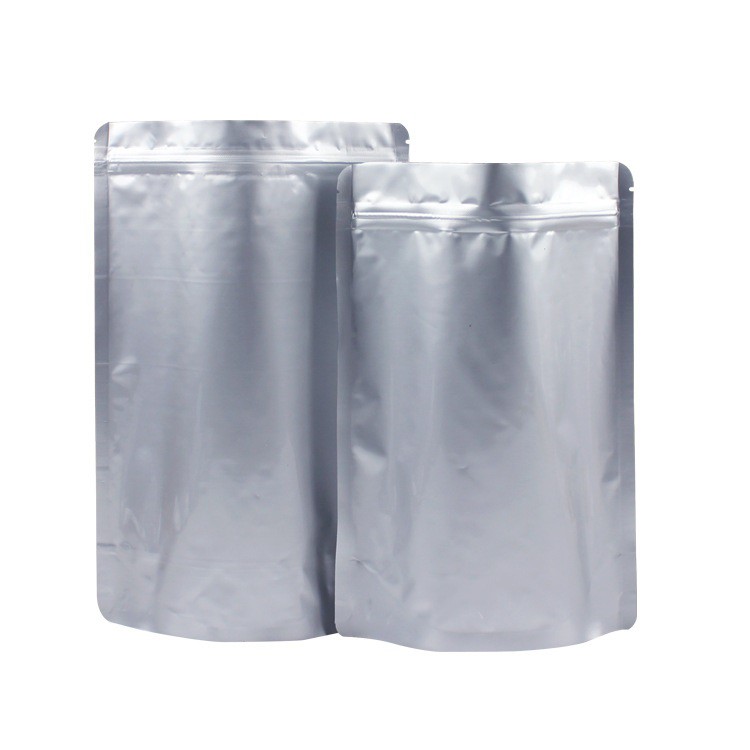
One of the best materials for air-tight packaging is aluminum foil. Aluminum foil has excellent barrier properties against oxygen, moisture, and light. It can effectively prevent the oxidation of food, which can lead to spoilage and loss of flavor. Aluminum Foil Vacuum Bag is a popular choice for many food products, especially those that are sensitive to air and moisture, such as coffee, tea, and snacks.
Another good option is multi-layered plastic films. These films are made by combining different types of plastics with different properties. For example, a common multi-layered film might include a layer of polyethylene for its flexibility and a layer of ethylene vinyl alcohol (EVOH) for its high oxygen barrier. Multi-layered plastic films can provide a good balance of air-tightness, flexibility, and cost-effectiveness.
Sealing Techniques
Once you've chosen the right material, the next step is to seal the packaging bag properly. There are several sealing techniques available, each with its own advantages and disadvantages.

- Heat Sealing: This is one of the most common sealing techniques used in the food packaging industry. Heat sealing involves applying heat to the edges of the packaging bag to melt the plastic and create a bond. The temperature, pressure, and time of the heat sealing process need to be carefully controlled to ensure a strong and air-tight seal. For example, if the temperature is too low, the seal may not be strong enough; if the temperature is too high, the plastic may be damaged.
- Ultrasonic Sealing: Ultrasonic sealing uses high-frequency ultrasonic vibrations to create heat and bond the plastic materials together. This technique is fast, efficient, and can create a very strong and air-tight seal. Ultrasonic sealing is often used for packaging bags made of thin plastic films.
- Adhesive Sealing: Adhesive sealing involves applying an adhesive to the edges of the packaging bag to bond them together. This technique is suitable for some types of materials, such as paper and cardboard. However, the adhesive needs to be carefully selected to ensure that it is food-safe and can provide a strong and air-tight seal.
Design Considerations
In addition to material selection and sealing techniques, the design of the food packaging bag also plays an important role in its air-tightness.
- Bag Shape: The shape of the packaging bag can affect its air-tightness. For example, a bag with a rectangular shape is generally easier to seal than a bag with a complex shape. This is because it is easier to apply uniform pressure and heat to the edges of a rectangular bag during the sealing process.
- Closure System: The closure system of the packaging bag is also important. A good closure system should be easy to use and provide a reliable seal. For example, zipper closures are popular for many types of food packaging bags because they are easy to open and close and can provide a good seal. However, it's important to make sure that the zipper is properly installed and that it can withstand the pressure and handling during storage and transportation.
- Headspace: The headspace in the packaging bag refers to the amount of air that is left inside the bag after it is filled with food. Minimizing the headspace can help to reduce the amount of oxygen in the bag and improve its air-tightness. This can be achieved by using the right size of packaging bag and filling it as full as possible without overfilling.
Quality Control
Finally, quality control is essential to ensure that the food packaging bags are air-tight. This involves testing the bags at various stages of the production process to make sure that they meet the required standards.
- Leak Testing: Leak testing is a common method used to check the air-tightness of food packaging bags. There are several leak testing techniques available, such as the bubble test, the vacuum decay test, and the pressure decay test. These tests can detect even small leaks in the packaging bags and help to identify any problems with the sealing process.
- Visual Inspection: Visual inspection is also an important part of quality control. This involves checking the packaging bags for any visible defects, such as holes, tears, or improper seals. Any defective bags should be removed from the production line and discarded.
Conclusion
Making food packaging bags more air-tight is a multi-step process that involves choosing the right material, using the proper sealing techniques, considering the design of the bag, and implementing strict quality control measures. By following these tips, you can ensure that your food packaging bags provide a high level of air-tightness, which will help to keep your food fresh and extend its shelf life.
If you're looking for high-quality Food Packaging Bag or Aluminum Foil Vacuum Bag, I'd love to talk to you. We have a wide range of packaging solutions to meet your specific needs. Whether you're a small food producer or a large-scale manufacturer, we can provide you with the best packaging options at competitive prices. Feel free to reach out to us to discuss your requirements and start a procurement negotiation.
References
- Packaging Machinery Manufacturers Institute (PMMI). (2023). Food Packaging Technology Handbook.
- Robertson, G. L. (2012). Food Packaging: Principles and Practice. CRC Press.
- European Food Safety Authority (EFSA). (2022). Guidance on the safety assessment of plastic materials intended to come into contact with food.