

Corrosion is a significant concern in the operation and longevity of Bonded Type Evaporators. As a supplier of Bonded Type Evaporators, I understand the importance of preventing corrosion to ensure the optimal performance and durability of these crucial components. In this blog, I will share some effective strategies and best practices on how to prevent corrosion in a Bonded Type Evaporator.
Understanding the Basics of Bonded Type Evaporators
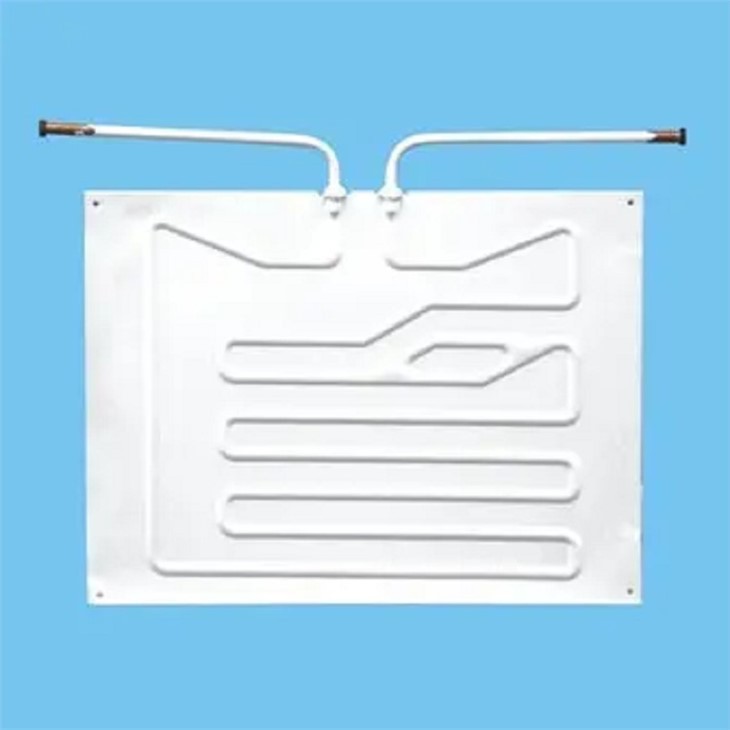
Before delving into corrosion prevention, it's essential to have a basic understanding of Bonded Type Evaporators. A Bonded Type Evaporator is a key component in refrigeration systems, commonly used in Refrigerator Evaporators. It works by absorbing heat from the surrounding environment, causing the refrigerant inside to evaporate and cool the space. These evaporators are typically made of various metals, such as aluminum or copper, which are susceptible to corrosion under certain conditions.
Factors Contributing to Corrosion in Bonded Type Evaporators
Several factors can contribute to corrosion in Bonded Type Evaporators. One of the primary factors is the presence of moisture. When water comes into contact with the metal surfaces of the evaporator, it can initiate a chemical reaction that leads to corrosion. Additionally, the type of refrigerant used can also play a role. Some refrigerants may contain chemicals that can accelerate the corrosion process. Other factors include the pH level of the environment, the presence of contaminants, and the temperature and humidity conditions.
Strategies for Corrosion Prevention
Material Selection
The choice of materials is crucial in preventing corrosion in Bonded Type Evaporators. Selecting corrosion-resistant materials can significantly extend the lifespan of the evaporator. For example, aluminum is a popular choice due to its lightweight and good thermal conductivity. However, it can be prone to corrosion in certain environments. To enhance its corrosion resistance, aluminum can be coated with a protective layer, such as an anodized coating. Copper is another commonly used material, which has excellent corrosion resistance in many applications. However, it can also be affected by specific chemicals and environmental conditions.
Surface Treatment
Surface treatment is an effective way to protect the metal surfaces of the evaporator from corrosion. One common surface treatment method is painting. Applying a high-quality paint coating can create a barrier between the metal and the surrounding environment, preventing moisture and other corrosive agents from coming into contact with the surface. Another surface treatment option is galvanizing, which involves coating the metal with a layer of zinc. Zinc is more reactive than the base metal, so it acts as a sacrificial anode, protecting the underlying metal from corrosion.
Proper Installation
Proper installation of the Bonded Type Evaporator is essential for preventing corrosion. During installation, it's important to ensure that the evaporator is installed in a clean and dry environment. Avoid installing the evaporator in areas where there is a high risk of moisture accumulation, such as near leaky pipes or in damp basements. Additionally, make sure that the evaporator is properly sealed to prevent the ingress of moisture and contaminants.
Maintenance and Inspection
Regular maintenance and inspection are key to preventing corrosion in Bonded Type Evaporators. Establish a maintenance schedule to clean the evaporator regularly and remove any dirt, debris, or contaminants that may have accumulated on the surface. Inspect the evaporator for signs of corrosion, such as rust spots or discoloration. If any signs of corrosion are detected, take immediate action to address the issue. This may involve cleaning the affected area, applying a corrosion inhibitor, or replacing the damaged components.
Use of Corrosion Inhibitors
Corrosion inhibitors are chemicals that can be added to the refrigerant or the cooling system to prevent corrosion. These inhibitors work by forming a protective film on the metal surfaces, preventing the corrosion process from occurring. There are different types of corrosion inhibitors available, depending on the specific application and the type of metal being protected. When using corrosion inhibitors, it's important to follow the manufacturer's instructions carefully to ensure their effectiveness.
Control of Environmental Conditions
Controlling the environmental conditions around the Bonded Type Evaporator can also help prevent corrosion. Maintain a stable temperature and humidity level in the area where the evaporator is installed. Avoid exposing the evaporator to extreme temperatures or high humidity, as these conditions can accelerate the corrosion process. Additionally, ensure proper ventilation to prevent the buildup of moisture and contaminants.
Conclusion
Preventing corrosion in a Bonded Type Evaporator is essential for ensuring its optimal performance and longevity. By understanding the factors contributing to corrosion and implementing the strategies outlined in this blog, you can effectively protect your evaporator from corrosion. As a supplier of Bonded Type Evaporators, I am committed to providing high-quality products and offering expert advice on corrosion prevention. If you are interested in purchasing Bonded Type Evaporators or need further information on corrosion prevention, please feel free to contact us for procurement discussions.

References
- ASHRAE Handbook: Refrigeration. American Society of Heating, Refrigerating and Air-Conditioning Engineers.
- Corrosion Basics: An Introduction. NACE International.
- Handbook of Corrosion Engineering. McGraw-Hill Education.