

As a supplier of Bonded Type Evaporators, I am often asked about the maintenance requirements for these essential components in refrigeration systems. In this blog post, I will delve into the key aspects of maintaining a Bonded Type Evaporator to ensure its optimal performance, longevity, and efficiency.
Understanding the Bonded Type Evaporator
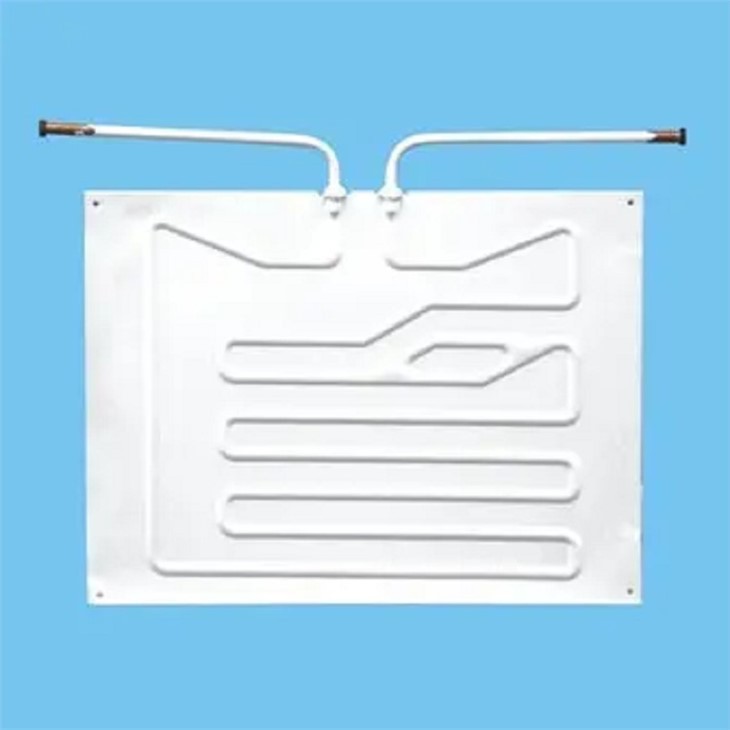
Before we discuss the maintenance requirements, let's briefly understand what a Bonded Type Evaporator is. A Bonded Type Evaporator is a crucial part of a refrigeration system, typically used in Refrigerator Evaporators. It works by absorbing heat from the surrounding environment, causing the refrigerant inside to evaporate and turn into a gas. This process cools the area around the evaporator, making it an integral part of any refrigeration setup.
Regular Inspection
One of the most important maintenance requirements for a Bonded Type Evaporator is regular inspection. This should be done at least once a month, or more frequently in high - usage environments. During the inspection, check for any visible signs of damage, such as cracks, leaks, or corrosion.
- Visual Inspection: Look for any physical damage to the evaporator coils. Cracks in the coils can lead to refrigerant leaks, which not only reduce the efficiency of the system but can also be harmful to the environment. Corrosion can weaken the structure of the evaporator and may eventually cause it to fail.
- Leak Detection: Use a refrigerant leak detector to check for any small leaks that may not be visible to the naked eye. Even a minor leak can cause a significant drop in the performance of the refrigeration system over time.
Cleaning
Cleaning the Bonded Type Evaporator is another critical maintenance task. Dust, dirt, and debris can accumulate on the evaporator coils, reducing their ability to absorb heat effectively.
- Coil Cleaning: Use a soft brush or a compressed air gun to remove any loose dust and debris from the evaporator coils. Be careful not to damage the coils during the cleaning process. For more stubborn dirt, you can use a mild detergent solution and a soft cloth to gently clean the coils. Rinse the coils thoroughly with clean water and allow them to dry completely before restarting the refrigeration system.
- Drainage System Cleaning: The drainage system of the evaporator is responsible for removing the condensed water. Over time, this system can become clogged with dirt and debris, leading to water accumulation and potential damage to the evaporator. Regularly clean the drain pan and the drain line to ensure proper drainage.
Lubrication
Although Bonded Type Evaporators do not have many moving parts that require lubrication, some components, such as fans and motors, may need to be lubricated periodically.
- Fan and Motor Lubrication: Check the manufacturer's recommendations for the type and frequency of lubrication for the fans and motors associated with the evaporator. Use a high - quality lubricant and apply it according to the specified procedure. Proper lubrication reduces friction, noise, and wear on these components, extending their lifespan.
Refrigerant Level Check
The refrigerant level in the Bonded Type Evaporator is crucial for its proper operation. An incorrect refrigerant level can lead to poor cooling performance, increased energy consumption, and potential damage to the compressor.
- Regular Monitoring: Use a refrigerant pressure gauge to monitor the refrigerant pressure in the evaporator. Compare the readings with the manufacturer's specifications. If the pressure is too low, it may indicate a refrigerant leak, while a high pressure could be a sign of a blockage or an overcharge of refrigerant.
- Refrigerant Recharge: If the refrigerant level is found to be low, it is essential to recharge the system with the correct type and amount of refrigerant. This should be done by a qualified technician to ensure safety and compliance with environmental regulations.
Temperature and Pressure Control
Maintaining the correct temperature and pressure in the Bonded Type Evaporator is vital for its efficient operation.
- Thermostat Calibration: Regularly check and calibrate the thermostat to ensure that it is accurately controlling the temperature in the refrigeration system. An inaccurate thermostat can cause the evaporator to run too long or not long enough, leading to inconsistent cooling and increased energy consumption.
- Pressure Relief Valve Inspection: The pressure relief valve is a safety device that prevents the pressure in the evaporator from exceeding a safe level. Inspect the pressure relief valve regularly to ensure that it is functioning properly. If the valve is stuck or leaking, it should be replaced immediately.
Electrical System Maintenance
The electrical components of the Bonded Type Evaporator, such as wiring, switches, and relays, are also important to maintain.
- Electrical Connection Check: Inspect all electrical connections for signs of loose wires, corrosion, or overheating. Tighten any loose connections and clean any corroded terminals. Overheating electrical connections can lead to short circuits and system failures.
- Component Testing: Use a multimeter to test the electrical components, such as the compressor, fans, and motors, for proper operation. Replace any faulty components as soon as possible to prevent further damage to the system.
Professional Maintenance
While regular in - house maintenance is essential, it is also recommended to have a professional technician perform a comprehensive maintenance service on the Bonded Type Evaporator at least once a year.
- System Analysis: A professional technician can perform a detailed analysis of the refrigeration system, including the evaporator, to identify any potential problems that may not be apparent during regular inspections. They can also provide recommendations for improving the system's performance and efficiency.
- Advanced Testing: Professional technicians have access to specialized equipment for advanced testing, such as refrigerant purity testing and compressor performance testing. These tests can help detect hidden issues and ensure that the evaporator is operating at its best.
Conclusion
Maintaining a Bonded Type Evaporator is essential for the efficient and reliable operation of a refrigeration system. By following the maintenance requirements outlined in this blog post, including regular inspection, cleaning, lubrication, refrigerant level check, temperature and pressure control, and electrical system maintenance, you can extend the lifespan of your evaporator, reduce energy consumption, and ensure consistent cooling performance.
If you are in the market for a high - quality Bonded Type Evaporator or need further advice on its maintenance, please feel free to contact us for a procurement discussion. Our team of experts is ready to assist you in finding the best solution for your refrigeration needs.

References
- ASHRAE Handbook of Refrigeration. American Society of Heating, Refrigerating and Air - Conditioning Engineers.
- Manufacturer's Manuals for Bonded Type Evaporators.