

Hey there! I'm a supplier of Single System Bonding Evaporators, and I'm super stoked to chat with you about the safety features of these bad boys. Whether you're in the market for a Refrigerator Evaporator or a Bonded Type Evaporator, understanding the safety aspects is crucial. So, let's dive right in!
1. Over - Temperature Protection
One of the most important safety features of a Single System Bonding Evaporator is over - temperature protection. You see, these evaporators work in a refrigeration cycle where maintaining the right temperature is key. If the temperature inside the evaporator starts to spike for some reason, say due to a malfunction in the cooling system or a blockage, it can lead to all sorts of problems.

Over - temperature protection devices are usually built into the evaporator. These can be thermostats or thermal fuses. A thermostat constantly monitors the temperature. Once it detects that the temperature has reached a pre - set dangerous level, it can either shut off the power supply to the evaporator or trigger an alarm. A thermal fuse, on the other hand, is a one - time use safety device. When the temperature gets too high, the fuse melts, breaking the electrical circuit and stopping the operation of the evaporator. This prevents any further increase in temperature that could potentially damage the evaporator or even cause a fire.
2. Pressure Relief Mechanisms
Pressure is another factor that needs to be carefully managed in a Single System Bonding Evaporator. During normal operation, the refrigerant inside the evaporator goes through a phase change from liquid to vapor, which creates pressure. But if there's an issue, like a clogged expansion valve or a malfunctioning compressor, the pressure can build up to dangerous levels.
That's where pressure relief mechanisms come in. There are typically pressure relief valves installed in the evaporator. These valves are designed to open when the pressure inside the evaporator exceeds a safe limit. When the valve opens, it releases some of the refrigerant, reducing the pressure. This not only protects the evaporator from bursting but also ensures the safety of the entire refrigeration system. It's like a safety valve on a boiler; it keeps things from getting out of control.
3. Leak Detection
Refrigerants used in Single System Bonding Evaporators can be harmful to the environment and, in some cases, to human health. For example, some older refrigerants like CFCs and HCFCs are known to deplete the ozone layer, while newer ones can be flammable or toxic. So, detecting leaks is of utmost importance.
Modern Single System Bonding Evaporators are often equipped with leak detection sensors. These sensors can detect even small amounts of refrigerant leakage. Once a leak is detected, the system can alert the user, either through an audible alarm or a warning light. In some advanced systems, it can even shut off the evaporator to prevent further leakage. This not only protects the environment but also reduces the risk of any health hazards to people working around the evaporator.
4. Electrical Safety
Since Single System Bonding Evaporators are electrical appliances, electrical safety is a must. They are designed with several features to prevent electrical accidents.
First of all, the evaporators have proper insulation. The electrical wires and components are covered with insulating materials to prevent any short - circuits. This insulation also protects users from coming into contact with live wires, reducing the risk of electric shock.
Secondly, there are usually ground connections. Grounding provides a safe path for electrical current in case of a fault. If there's a short - circuit or some other electrical problem, the current will flow through the ground wire instead of through a person who might touch the evaporator.
Finally, many evaporators are equipped with circuit breakers. Circuit breakers are like automatic switches that can cut off the electrical supply when there's an overload or a short - circuit. This helps to protect the evaporator's electrical components from damage and also prevents any potential fire hazards caused by electrical problems.
5. Structural Integrity
The physical structure of a Single System Bonding Evaporator is also designed with safety in mind. The materials used are chosen for their strength and durability. For example, the evaporator coils are usually made of high - quality metals that can withstand the pressure and temperature changes during normal operation.
The bonding process that holds the different components of the evaporator together is also carefully engineered. A strong bond ensures that the evaporator doesn't come apart during use. This is important because if the evaporator were to break apart, it could release refrigerant, damage other parts of the refrigeration system, or even cause physical harm to people nearby.
6. Anti - Corrosion Measures
Corrosion can weaken the structure of the evaporator over time and also lead to leaks. To prevent this, Single System Bonding Evaporators are often treated with anti - corrosion coatings. These coatings act as a barrier between the metal components of the evaporator and the environment.
For example, in a humid environment, the anti - corrosion coating can prevent rust from forming on the evaporator coils. This not only extends the lifespan of the evaporator but also maintains its safety. A corroded evaporator is more likely to develop leaks or structural failures, which can be dangerous.
7. User - Friendly Design for Maintenance
Safety isn't just about the built - in features; it's also about how easy it is to maintain the evaporator. A Single System Bonding Evaporator is designed with user - friendly access points for maintenance. This allows technicians to easily inspect, clean, and repair the evaporator.
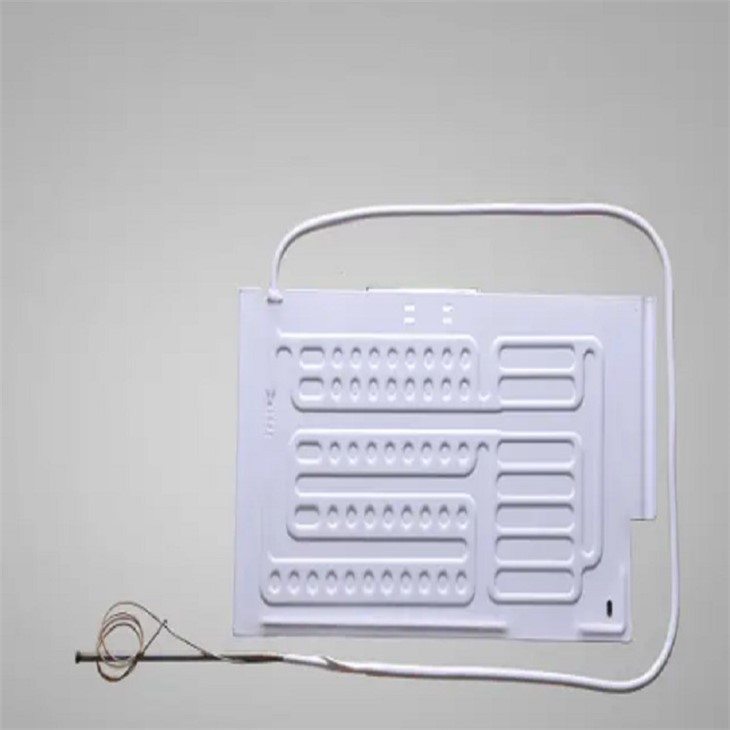
For example, there are usually removable panels that give access to the internal components. This makes it easier to check for any signs of wear and tear, such as loose connections or damaged parts. Regular maintenance is crucial for ensuring the continued safe operation of the evaporator. If maintenance is difficult or time - consuming, technicians may be less likely to perform it regularly, which can increase the risk of safety issues.
Why These Safety Features Matter
All these safety features are not just there for show. They play a vital role in protecting the environment, the equipment, and the people using it. By preventing over - temperature situations, pressure build - ups, and refrigerant leaks, we're reducing the risk of fires, explosions, and environmental damage. Electrical safety features protect users from electric shock and prevent electrical fires. And the structural integrity and anti - corrosion measures ensure that the evaporator lasts longer and operates safely throughout its lifespan.
If you're in the market for a Single System Bonding Evaporator, I highly recommend paying close attention to these safety features. They can make a huge difference in the long - term performance and safety of your refrigeration system.
Let's Talk!
If you have any questions about our Single System Bonding Evaporators or want to discuss a potential purchase, I'd love to hear from you. Whether you're interested in a Refrigerator Evaporator or a Bonded Type Evaporator, we can have a chat about your specific needs and how our products can meet them. Don't hesitate to reach out for a friendly and informative discussion.
References
- "Refrigeration and Air Conditioning Technology" by William C. Whitman, William M. Johnson, and John Tomczyk.
- Industry standards and guidelines for refrigeration equipment safety.