

Hey there! As a supplier of Anti Ageing Film, I'm super stoked to dive into what ingredients are commonly found in this amazing product. Anti Ageing Film has been a game - changer in various industries, and understanding its components can give you a better idea of how it works and why it's so effective.
1. Antioxidants
Antioxidants are like the superheroes in Anti Ageing Film. They play a crucial role in protecting the film and the materials it's applied to from oxidative stress. Oxidation is a natural process that can cause damage over time, leading to things like discoloration, brittleness, and a loss of structural integrity.
One of the most common antioxidants used in Anti Ageing Film is Vitamin E. Vitamin E is a fat - soluble antioxidant that can neutralize free radicals. Free radicals are unstable molecules that can cause damage to cells and materials. By scavenging these free radicals, Vitamin E helps to extend the lifespan of the film. Another popular antioxidant is Vitamin C. It works in a similar way to Vitamin E but is water - soluble. Together, these antioxidants create a powerful defense system within the film.
2. UV Absorbers
Ultraviolet (UV) rays from the sun are a major culprit when it comes to ageing materials. They can break down chemical bonds in the film, leading to degradation. That's where UV absorbers come in.
Benzotriazoles are a type of UV absorber commonly used in Anti Ageing Film. They work by absorbing UV radiation and converting it into heat, which is then dissipated. This process prevents the UV rays from causing damage to the film. Another group of UV absorbers is the hindered amine light stabilizers (HALS). HALS not only absorb UV rays but also act as antioxidants, providing an extra layer of protection.
3. Polymers
Polymers are the building blocks of Anti Ageing Film. They give the film its structure and flexibility. Polyethylene is one of the most widely used polymers in this type of film. It's known for its durability and chemical resistance. Polyethylene can be further modified to enhance its anti - ageing properties.
Another polymer that you might find in Anti Ageing Film is polypropylene. Polypropylene has excellent heat resistance and mechanical properties. It can withstand high temperatures without deforming, making it suitable for a wide range of applications. These polymers are often blended together to create a film with the best combination of properties.
4. Fillers
Fillers are added to Anti Ageing Film to improve its performance and reduce costs. One common filler is calcium carbonate. Calcium carbonate is a cheap and abundant material that can enhance the stiffness and dimensional stability of the film. It also helps to improve the film's resistance to abrasion.
Silica is another filler that is sometimes used. Silica can improve the film's transparency and scratch resistance. It also has good thermal stability, which can contribute to the overall anti - ageing performance of the film.
5. Plasticizers
Plasticizers are used to make the film more flexible and easier to process. They work by reducing the intermolecular forces between polymer chains. One of the most commonly used plasticizers is phthalates. However, due to some health concerns associated with phthalates, alternative plasticizers like adipates and citrates are becoming more popular.
These plasticizers help the film to maintain its flexibility over time, preventing it from becoming brittle and cracking. They also improve the film's adhesion to the substrate, ensuring a long - lasting bond.
Comparison with Other Functional Films
It's interesting to compare Anti Ageing Film with other functional films. For example, Release Film is designed to provide a non - stick surface. While it may have some similar polymers in its composition, its main focus is on releasing materials easily rather than anti - ageing.
Rust Resistant Film is used to protect metal surfaces from rusting. It often contains corrosion inhibitors, which are different from the ingredients in Anti Ageing Film. The anti - ageing film is more concerned with protecting against environmental factors like UV rays and oxidation.
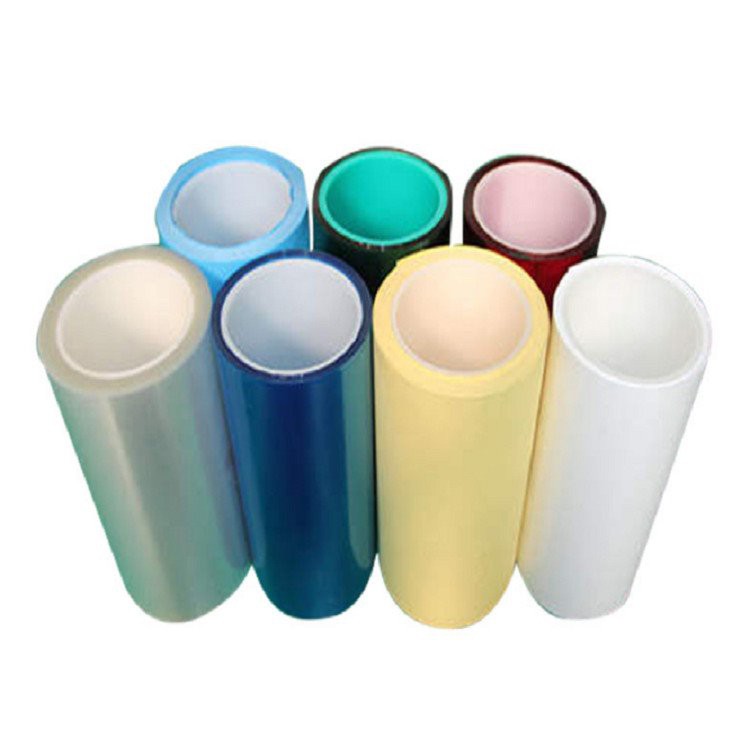
Electric Conductive Film is engineered to conduct electricity. It typically contains conductive materials such as carbon nanotubes or metal particles, which are not present in Anti Ageing Film.
Applications of Anti Ageing Film
Anti Ageing Film has a wide range of applications. In the automotive industry, it can be used to protect the exterior of cars from fading and cracking due to sunlight and weather conditions. In the construction industry, it can be applied to windows and facades to prevent the ageing of building materials.
In the packaging industry, Anti Ageing Film can help to extend the shelf life of products by protecting them from environmental factors. It can also be used in the electronics industry to protect sensitive components from ageing.
Why Choose Our Anti Ageing Film
As a supplier, we take pride in our Anti Ageing Film. We use high - quality ingredients and state - of - the - art manufacturing processes to ensure the best performance. Our film is rigorously tested to meet industry standards and customer requirements.
We understand that every customer has unique needs, and we're committed to providing customized solutions. Whether you need a film with specific anti - ageing properties or a particular thickness, we can work with you to develop the perfect product.
Let's Connect
If you're interested in learning more about our Anti Ageing Film or are looking to make a purchase, I'd love to hear from you. Feel free to reach out to start a conversation. We're ready to discuss your needs and provide you with the best anti - ageing solutions.
References
- "Plastics Additives Handbook" by Hans Zweifel
- "Polymer Science and Technology" by Donald R. Paul and Charles B. Bucknall
- Research papers on anti - ageing materials and functional films from scientific journals.