

Hey there! As a supplier of Hot Melt Adhesive Film, I often get asked about the antistatic property of our products. So, let's dive right in and explore what this antistatic property is all about.
First off, what exactly is an antistatic property? In simple terms, it's the ability of a material to prevent the buildup of static electricity. Static electricity is that annoying shock you get when you touch a metal object after walking on a carpet, or when your clothes stick together. In the context of hot melt adhesive film, this property can be super important for a bunch of reasons.
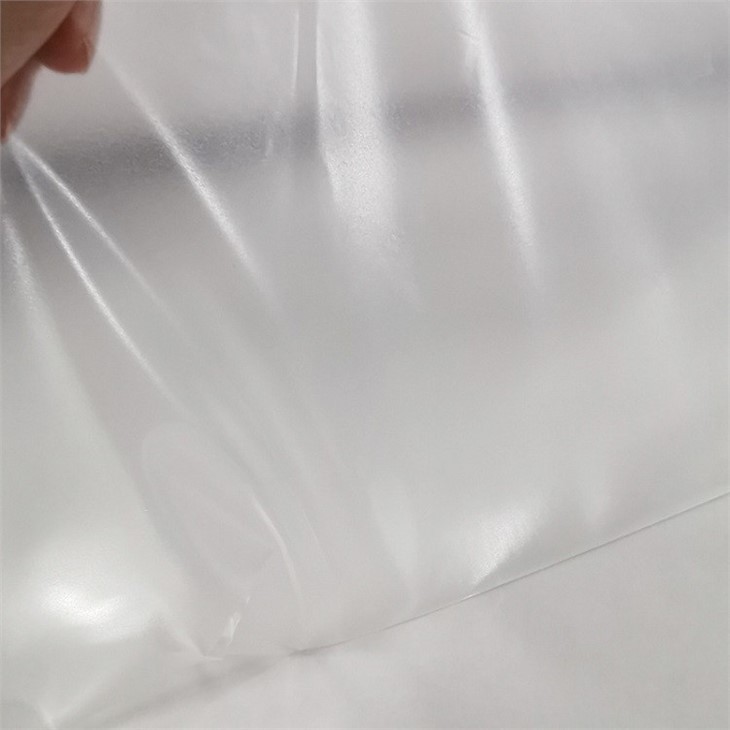

One of the main reasons we care about the antistatic property is in industrial applications. When we're dealing with manufacturing processes, static electricity can cause all sorts of problems. For example, it can attract dust and dirt to the adhesive film, which can mess up the bonding process. If there's dust between the film and the materials it's supposed to bond, the bond might not be as strong or as reliable. This can lead to product defects and quality issues, which is a big no - no in the manufacturing world.
Another issue is that static electricity can cause sparks. In some industries, like those dealing with flammable materials, a single spark can be extremely dangerous. It could potentially lead to fires or explosions. So, having an antistatic hot melt adhesive film can help reduce these risks and make the workplace safer.
Now, let's talk about how we achieve this antistatic property in our hot melt adhesive films. There are a few different ways to do it. One common method is to add antistatic agents to the adhesive formulation. These agents work by either conducting the static charge away from the surface of the film or by reducing the generation of static electricity in the first place.
Some of the materials we use in our hot melt adhesive films also have inherent antistatic properties. For example, Ethylene - Ethyl Acrylate Copolymer is known for having relatively good antistatic characteristics. It's a versatile material that we use in a lot of our products, especially in applications where antistatic properties are important.
When it comes to different types of hot melt adhesive films, the antistatic property can vary. Take Hot Melt Adhesive Film for Textile Fanric for example. In the textile industry, static electricity can cause clothes to cling to each other, which is not only a nuisance for the end - user but can also cause problems during the manufacturing process. Our antistatic hot melt adhesive film for textile fabrics helps prevent this from happening. It ensures that the fabrics can be bonded together smoothly without any issues related to static buildup.
Similarly, Hot Melt Adhesive Membrane is another product where the antistatic property is crucial. This type of film is often used in applications where a clean and reliable bond is required, such as in electronics or packaging. Static electricity in these industries can attract dust, which can damage sensitive electronic components or make the packaging look unprofessional. Our antistatic hot melt adhesive membrane helps keep these problems at bay.
We test the antistatic properties of our hot melt adhesive films rigorously. We use specialized equipment to measure the surface resistance of the film, which is a good indicator of its antistatic capabilities. A lower surface resistance means that the film can conduct static electricity away more effectively. We also perform real - world tests in different environments to make sure that our products work as expected.
When you're choosing a hot melt adhesive film, it's important to consider the antistatic property based on your specific application. If you're in an industry where static electricity can cause problems, like electronics, textiles, or packaging, then an antistatic film is a must. You don't want to risk product defects or safety issues because of something as simple as static buildup.
We're always looking for ways to improve the antistatic properties of our hot melt adhesive films. We're constantly researching new materials and formulations to make our products even better. We understand that our customers rely on us to provide high - quality products that meet their needs, and the antistatic property is just one aspect of that.
If you're in the market for hot melt adhesive film and you're concerned about the antistatic property, don't hesitate to get in touch with us. We can help you choose the right product for your application, answer any questions you might have, and provide you with samples so you can test them out for yourself. Whether you're a small - scale manufacturer or a large - scale industrial company, we have the expertise and the products to meet your requirements.
In conclusion, the antistatic property of hot melt adhesive film is an important factor that can have a big impact on the performance and safety of your products. By choosing our antistatic hot melt adhesive films, you can ensure that your manufacturing processes run smoothly, your products are of high quality, and your workplace is a safer environment. So, if you're interested in learning more or making a purchase, reach out to us today and let's start a conversation about how we can work together.
References
- Textile Industry Handbook: Covers the use of hot melt adhesive films in textile manufacturing and the importance of antistatic properties.
- Industrial Adhesives Research Journal: Contains studies on the formulation and testing of antistatic hot melt adhesive films.