

Ethylene - Ethyl Acrylate Copolymer (EEA) is a remarkable material with a wide range of applications across various industries. As a leading supplier of EEA, I am often asked about its properties, and one of the most frequently inquired questions is: "What is the melting point of Ethylene - Ethyl Acrylate Copolymer?" In this blog post, I will delve into the details of EEA's melting point, factors influencing it, and its significance in different applications.
Understanding Ethylene - Ethyl Acrylate Copolymer
EEA is a copolymer formed by the polymerization of ethylene and ethyl acrylate monomers. This combination results in a material that combines the excellent flexibility and processability of polyethylene with the polarity and adhesion properties of ethyl acrylate. The ratio of ethylene to ethyl acrylate in the copolymer can vary, which significantly affects its physical and chemical properties.
EEA is known for its outstanding toughness, low - temperature flexibility, and good chemical resistance. It is widely used in applications such as Hot Melt Adhesive Film for Textile Fanric, packaging, wire and cable insulation, and automotive parts.
Melting Point of Ethylene - Ethyl Acrylate Copolymer
The melting point of EEA is not a fixed value but rather depends on several factors, primarily the composition of the copolymer. Generally, as the content of ethyl acrylate in the EEA increases, the melting point decreases. This is because ethyl acrylate units disrupt the regular crystalline structure of polyethylene, reducing the intermolecular forces and making it easier for the polymer chains to move past each other at lower temperatures.
Typically, the melting point of EEA can range from approximately 60°C to 100°C. For EEA copolymers with a relatively low ethyl acrylate content (around 5 - 15%), the melting point is closer to the melting point of polyethylene, usually around 90 - 100°C. These copolymers retain more of the crystalline nature of polyethylene and have better stiffness and heat resistance.
On the other hand, EEA copolymers with a higher ethyl acrylate content (20 - 30% or more) have a lower melting point, often in the range of 60 - 80°C. These copolymers are more amorphous and have excellent flexibility, adhesion, and low - temperature performance.
Factors Affecting the Melting Point of EEA
- Ethyl Acrylate Content: As mentioned earlier, the ethyl acrylate content is the most significant factor influencing the melting point of EEA. A higher ethyl acrylate content leads to a lower melting point due to the disruption of the crystalline structure.
- Molecular Weight: The molecular weight of the EEA copolymer also affects its melting point. Higher molecular weight polymers generally have a higher melting point because the longer polymer chains have stronger intermolecular forces and are more difficult to separate.
- Crystallinity: The degree of crystallinity in the EEA copolymer is closely related to its melting point. More crystalline copolymers have a higher melting point because the regular arrangement of polymer chains requires more energy to break the intermolecular forces.
- Additives: The addition of certain additives, such as plasticizers, antioxidants, and fillers, can also affect the melting point of EEA. Plasticizers, for example, can lower the melting point by increasing the free volume between polymer chains and reducing the intermolecular forces.
Significance of the Melting Point in Applications
The melting point of EEA plays a crucial role in its various applications. Here are some examples:
Hot Melt Adhesives
In Hot Melt Adhesive Membrane applications, the melting point of EEA determines the application temperature. A lower melting point EEA can be applied at a lower temperature, which is beneficial for heat - sensitive substrates such as textiles and plastics. It also reduces energy consumption during the bonding process.
Packaging
For packaging applications, the melting point of EEA affects the sealing process. EEA with an appropriate melting point can be heat - sealed quickly and efficiently, providing a strong and reliable seal. The ability to seal at a lower temperature also helps to prevent damage to the packaged products.
Wire and Cable Insulation
In wire and cable insulation, the melting point of EEA is important for ensuring the integrity of the insulation under different operating temperatures. A higher melting point EEA can provide better heat resistance, preventing the insulation from melting or deforming under high - temperature conditions.
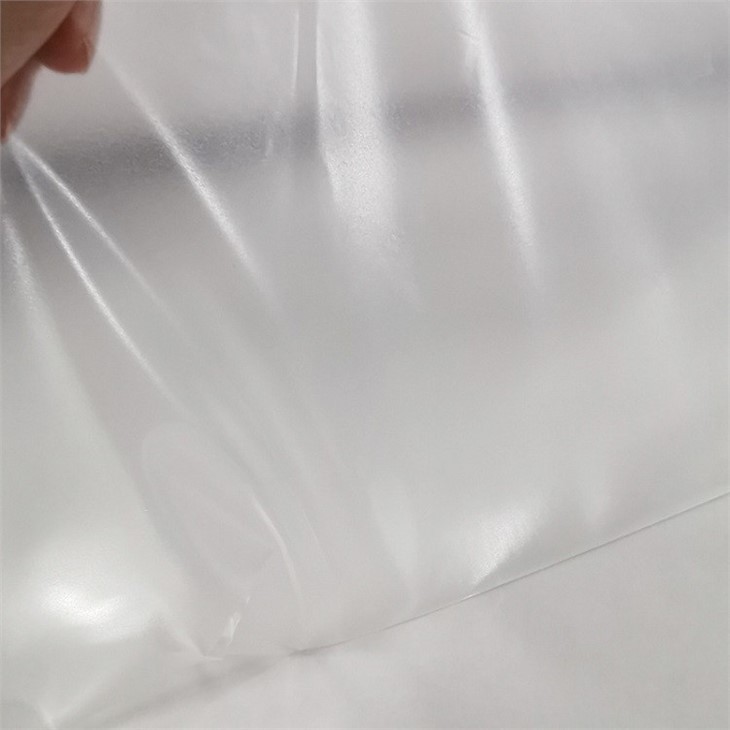

Our EEA Products and Their Melting Points
As a supplier of Ethylene - Ethyl Acrylate Copolymer, we offer a wide range of EEA products with different melting points to meet the diverse needs of our customers. Our technical team can provide detailed information about the melting point and other properties of each product, helping you to select the most suitable EEA for your specific application.
We understand that the melting point is just one of the many factors to consider when choosing an EEA product. Other properties such as adhesion, flexibility, and chemical resistance are also important. Our experts can work with you to analyze your requirements and recommend the best EEA solution for your project.
Contact Us for Procurement
If you are interested in our EEA products or have any questions about their melting points and applications, we encourage you to contact us for further discussion. Our sales team is ready to provide you with detailed product information, samples, and competitive pricing. We are committed to providing high - quality EEA products and excellent customer service to help you achieve your business goals.
References
- Polymer Science and Technology, Third Edition, edited by Joel R. Fried.
- Handbook of Adhesive Technology, Second Edition, edited by Andrew Pizzi and K. L. Mittal.