

As a supplier of Bonded Type Evaporators, I often encounter inquiries from customers about the minimum temperature at which these evaporators can operate effectively. This is a crucial question, especially for industries that rely on precise temperature control, such as the food and beverage, pharmaceutical, and chemical sectors. In this blog post, I will delve into the factors that determine the minimum operating temperature of a Bonded Type Evaporator and provide some insights based on our experience in the industry.
Understanding Bonded Type Evaporators
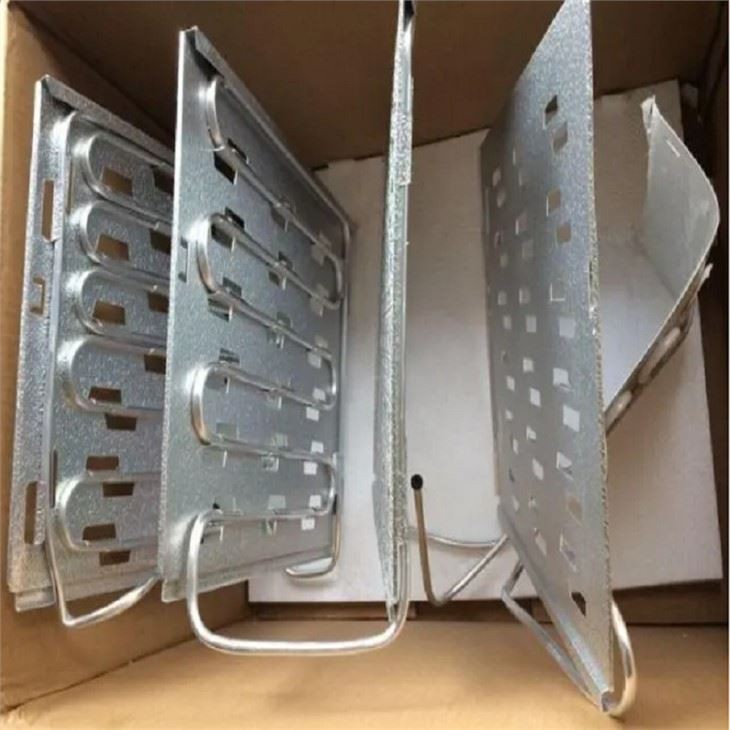
Before we discuss the minimum operating temperature, let's first understand what a Bonded Type Evaporator is. A Bonded Type Evaporator is a type of heat exchanger that is commonly used in refrigeration and air conditioning systems. It consists of a metal plate with a series of channels or tubes bonded to it, through which a refrigerant flows. As the refrigerant evaporates, it absorbs heat from the surrounding environment, thereby cooling it.
One of the key advantages of a Bonded Type Evaporator is its high thermal efficiency. The bonded design ensures a large surface area for heat transfer, which allows for efficient cooling even at low temperatures. Additionally, these evaporators are compact and lightweight, making them suitable for a wide range of applications.
Factors Affecting the Minimum Operating Temperature
Several factors influence the minimum temperature at which a Bonded Type Evaporator can operate effectively. These include:
Refrigerant Properties
The choice of refrigerant plays a significant role in determining the minimum operating temperature of an evaporator. Different refrigerants have different boiling points and thermodynamic properties, which affect their performance at low temperatures. For example, some refrigerants, such as R-404A and R-507A, are commonly used in low-temperature applications because they have relatively low boiling points and good heat transfer characteristics.

Evaporator Design
The design of the evaporator also affects its minimum operating temperature. Factors such as the size and shape of the channels, the thickness of the metal plate, and the type of bonding material used can all impact the heat transfer efficiency and the ability of the evaporator to operate at low temperatures. For instance, a well-designed evaporator with a large surface area and a thin metal plate will generally have better heat transfer performance and be able to operate at lower temperatures than a poorly designed one.
System Pressure
The pressure in the refrigeration system is another important factor that affects the minimum operating temperature of the evaporator. As the temperature decreases, the pressure in the system also decreases, which can lead to issues such as refrigerant flow restrictions and compressor performance degradation. Therefore, it is essential to maintain the proper system pressure to ensure the efficient operation of the evaporator at low temperatures.
Ambient Conditions
The ambient temperature and humidity can also have an impact on the performance of the evaporator. In cold and dry environments, the evaporator may be able to operate at lower temperatures than in warm and humid environments. This is because the lower ambient temperature reduces the heat load on the evaporator, while the lower humidity helps to prevent ice formation on the evaporator surface.
Determining the Minimum Operating Temperature
Based on our experience as a Bonded Type Evaporator supplier, the minimum operating temperature of a Bonded Type Evaporator typically ranges from -20°C to -40°C. However, this can vary depending on the specific design and application of the evaporator, as well as the factors mentioned above.
To determine the minimum operating temperature for a particular application, it is important to consult with a qualified refrigeration engineer or technician. They can perform a detailed analysis of the system requirements and recommend the most suitable evaporator design and refrigerant for the application. Additionally, they can conduct tests and simulations to ensure that the evaporator will operate effectively at the desired temperature.
Applications of Bonded Type Evaporators at Low Temperatures
Bonded Type Evaporators are widely used in a variety of low-temperature applications, including:
Commercial Refrigeration
In the commercial refrigeration industry, Bonded Type Evaporators are commonly used in walk-in coolers, freezers, and display cases. These evaporators are designed to provide efficient cooling at low temperatures, ensuring the proper storage and preservation of food and beverages.
Industrial Refrigeration
In industrial applications, Bonded Type Evaporators are used in processes such as chemical manufacturing, pharmaceutical production, and food processing. These evaporators are capable of maintaining precise temperature control, which is essential for ensuring the quality and safety of the products.
Medical and Laboratory Equipment
Bonded Type Evaporators are also used in medical and laboratory equipment, such as blood banks, vaccine storage units, and scientific freezers. These evaporators are designed to provide reliable and efficient cooling at low temperatures, ensuring the proper storage and preservation of biological samples and medications.
Conclusion
In conclusion, the minimum temperature at which a Bonded Type Evaporator can operate effectively depends on several factors, including the refrigerant properties, evaporator design, system pressure, and ambient conditions. Based on our experience as a Bonded Type Evaporator supplier, the minimum operating temperature typically ranges from -20°C to -40°C. However, it is important to consult with a qualified refrigeration engineer or technician to determine the most suitable evaporator design and refrigerant for a particular application.
If you are in the market for a high-quality Refrigerator Evaporator or Bonded Type Evaporator, please feel free to contact us. Our team of experts will be happy to assist you in selecting the right evaporator for your needs and provide you with professional advice and support.
References
- ASHRAE Handbook - Refrigeration. American Society of Heating, Refrigerating and Air-Conditioning Engineers, Inc.
- Refrigeration and Air Conditioning Technology. William C. Whitman, William M. Johnson, and John Tomczyk.
- Thermodynamics: An Engineering Approach. Yunus A. Cengel and Michael A. Boles.