

As a supplier of Hot Melt Adhesive Membrane, I often get asked about peel strength. So, what on earth is the peel strength of Hot Melt Adhesive Membrane? Let's dig into this topic, shall we?
Understanding Peel Strength
Peel strength is a key parameter when it comes to evaluating the performance of adhesives, and Hot Melt Adhesive Membrane is no exception. It refers to the force required to separate two bonded materials by peeling them apart. Picture this: you've got two pieces of fabric bonded together using a Hot Melt Adhesive Membrane. To measure the peel strength, we'd gradually pull the two pieces of fabric apart at a specific angle (usually 90 or 180 degrees) and record the amount of force needed to cause the separation.
When that value is high, it means the adhesive is doing a great job of holding the two materials together. On the flip side, a low peel strength indicates the bond might not be very robust, and the materials could come apart easily.
Factors Affecting Peel Strength
There are several factors that can influence the peel strength of Hot Melt Adhesive Membrane.
Material Compatibility: This is huge. The adhesive needs to be compatible with the materials it's bonding. For example, if you're using a Hot Melt Adhesive Film for Textile Fanric, it should have a chemical makeup that allows it to form a strong bond with the fabric. Some materials have a smooth surface, which may be more challenging to bond to than rough - textured ones. The adhesive has to be able to wet out and adhere properly to the surface of the material.
Application Temperature: The temperature at which the Hot Melt Adhesive Membrane is applied plays a massive role. If the temperature is too low, the adhesive might not fully melt and flow, resulting in a weak bond and low peel strength. Conversely, if it's too high, the adhesive could break down, lose its properties, and also lead to a sub - par bond. There's an optimal temperature range for each type of adhesive, and it's crucial to stay within that range for the best results.
Bonding Pressure: The amount of pressure applied during the bonding process matters a lot. When you press the two materials together with the adhesive in between, the pressure helps the adhesive spread evenly and form a good connection with the surfaces. If the pressure is insufficient, the adhesive may not make full contact, and this can reduce the peel strength.
Adhesive Thickness: The thickness of the Hot Melt Adhesive Membrane also affects peel strength. A very thin layer might not provide enough adhesive to create a strong bond, while an overly thick layer could cause issues like uneven curing or excessive flow, which can weaken the bond.
Types of Hot Melt Adhesive Membrane and Their Peel Strength
There are different types of Hot Melt Adhesive Membrane, each with its own peel strength characteristics.
Ethylene - Ethyl Acrylate Copolymer (EEA) Membrane: EEA - based Ethylene - Ethyl Acrylate Copolymer membranes are known for their good flexibility and adhesion to a variety of materials. They generally offer a decent peel strength, especially when bonding materials like plastics and some types of rubbers. The ethylene and ethyl acrylate components contribute to its ability to form a strong bond, providing reliable resistance to peeling forces.
Polyurethane (PU) Membrane: PU Hot Melt Adhesive Membranes are recognized for their high - strength bonding properties. They can achieve quite high peel strengths, making them suitable for applications where a very strong and durable bond is required. For example, in the automotive industry, PU membranes are often used to bond interior components, where they need to withstand vibrations and mechanical stresses.
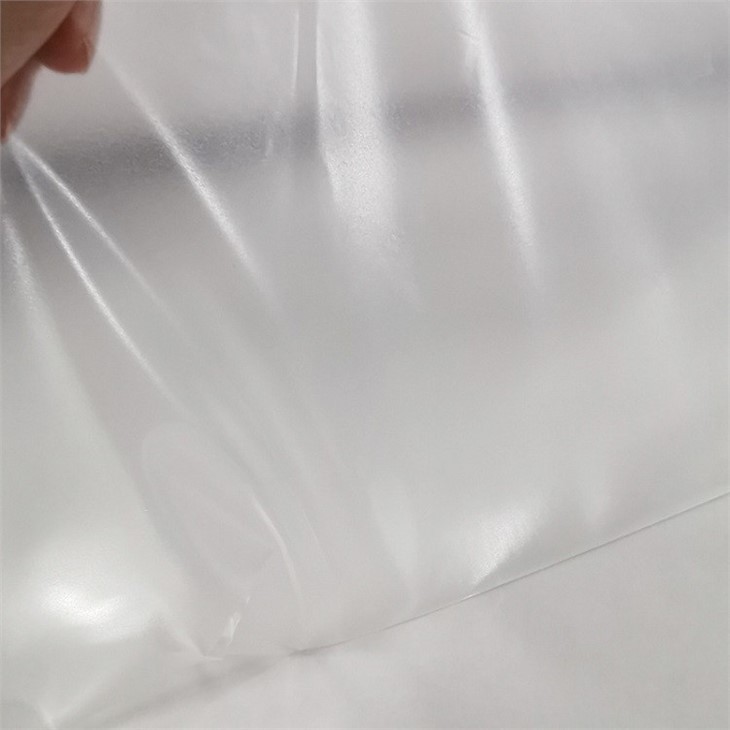

Polyamide (PA) Membrane: PA membranes have excellent heat resistance and offer good peel strength, particularly in high - temperature applications. They can maintain their bonding properties even under relatively high - heat conditions, which makes them a popular choice in environments where heat is a concern, such as in some industrial manufacturing processes.
Measuring Peel Strength
There are specific testing methods to measure the peel strength of Hot Melt Adhesive Membrane. One common method is the 180 - degree peel test. In this test, two materials are bonded together using the membrane. Then one end of the bonded materials is peeled back at a 180 - degree angle at a constant speed using a testing machine. The machine records the force required to peel the materials apart.
The results are usually expressed in units of force per unit width, such as Newtons per centimeter (N/cm) or pounds per inch (lb/in). These values give us a quantifiable way to compare the peel strength of different types of Hot Melt Adhesive Membranes and to determine if a particular membrane meets the requirements of a specific application.
Importance of Peel Strength in Different Applications
Textile Industry: In the textile industry, the Hot Melt Adhesive Film for Textile Fanric needs to have an appropriate peel strength. For example, when bonding decorative elements to clothing, the adhesive must hold the elements in place during normal wear and washing. If the peel strength is too low, the decorative parts may fall off easily, which is a big no - no for both the manufacturer and the consumer.
Automotive Industry: In the automotive sector, Hot Melt Adhesive Membrane is used for various applications, such as bonding interior trim, headliners, and gaskets. A high peel strength is essential here because the components need to stay firmly in place, even when the vehicle is subjected to vibrations, temperature changes, and mechanical stress.
Electronics Industry: When it comes to electronics, the adhesive is used to bond components together. The peel strength needs to be just right. It should be strong enough to keep the components in place, but also allow for disassembly if repair or recycling is required.
Why Choose Our Hot Melt Adhesive Membrane?
As a supplier, we take pride in offering high - quality Hot Melt Adhesive Membrane with reliable peel strength. Our team of experts has extensive knowledge and experience in formulating adhesives to ensure they meet the specific requirements of different applications.
We conduct rigorous quality control tests on our products, including peel strength tests, to guarantee that they perform as expected. Whether you need a membrane with high peel strength for a demanding industrial application or a flexible adhesive for the textile industry, we've got a solution for you.
Our commitment to innovation means that we're constantly working on improving our products. We stay up - to - date with the latest research and technological advancements in the field of adhesives to provide you with the best possible Hot Melt Adhesive Membrane.
If You're Interested
If you're in the market for Hot Melt Adhesive Membrane and want to learn more about how our products can meet your needs, don't hesitate to reach out. We'd be more than happy to discuss your requirements, provide samples for testing, and offer technical support. Our team is always ready to engage in a productive conversation and find the perfect adhesive solution for you.
References
- Stamm, A. J. (2000). Handbook of Pressure - Sensitive Adhesive Technology. Van Nostrand Reinhold.
- Kinloch, A. J. (1987). Adhesion and Adhesives: Science and Technology. Chapman and Hall.