

As a supplier of Ethylene - Ethyl Acrylate Copolymer (EEA), one of the most frequently asked questions I encounter from customers is about its shelf - life. Understanding the shelf - life of EEA is crucial for both us as suppliers and our customers, as it directly impacts product quality, storage conditions, and overall business operations.
What is Ethylene - Ethyl Acrylate Copolymer?
Ethylene - Ethyl Acrylate Copolymer is a type of copolymer produced by the copolymerization of ethylene and ethyl acrylate. It combines the excellent flexibility and toughness of polyethylene with the polarity and adhesion properties of ethyl acrylate. This unique combination of properties makes EEA widely used in various industries. For more information about EEA, you can visit Ethylene - Ethyl Acrylate Copolymer.
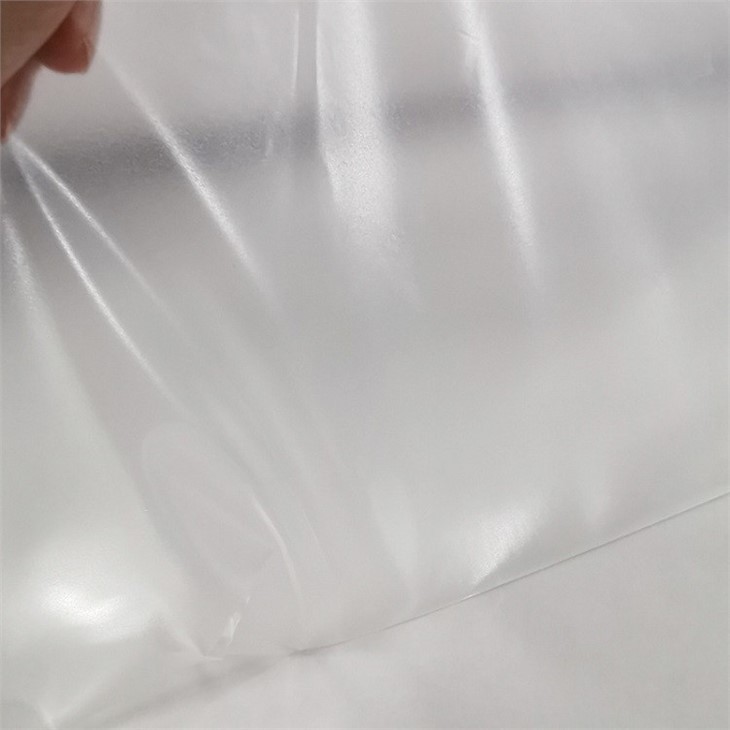

EEA is commonly used in the production of Hot Melt Adhesive Membrane. The hot melt adhesive membrane made from EEA has good adhesion to a variety of substrates, including plastics, metals, and textiles. It is also used in the manufacturing of Hot Melt Adhesive Film for Textile Fanric, providing strong bonding and durability for textile applications.
Factors Affecting the Shelf - Life of EEA
The shelf - life of EEA is influenced by several factors, and understanding these factors is essential for proper storage and usage.
1. Storage Conditions
- Temperature: Temperature is one of the most critical factors affecting the shelf - life of EEA. High temperatures can accelerate the degradation process of the copolymer. When stored at elevated temperatures, the molecular chains of EEA may start to break down, leading to a decrease in its physical and chemical properties. For example, the melting point and viscosity of EEA may change, which can affect its performance in adhesive applications. It is recommended to store EEA in a cool and dry place, preferably at a temperature below 30°C.
- Humidity: Moisture can also have a negative impact on EEA. EEA is relatively hygroscopic, which means it can absorb moisture from the surrounding environment. Excessive moisture absorption can cause hydrolysis of the ester groups in the ethyl acrylate units, leading to a decrease in the molecular weight and mechanical properties of the copolymer. To prevent moisture absorption, EEA should be stored in sealed containers or packaging materials with good moisture - barrier properties.
2. Exposure to Light and Oxygen
- Light: Prolonged exposure to sunlight or ultraviolet (UV) light can cause photo - oxidation of EEA. UV light can break the chemical bonds in the copolymer, leading to the formation of free radicals. These free radicals can react with oxygen in the air, causing further degradation of the polymer. To protect EEA from light, it should be stored in opaque containers or in a dark storage area.
- Oxygen: Oxygen can react with EEA over time, especially at elevated temperatures. Oxidation can lead to the formation of carbonyl groups and other oxidation products, which can change the color, odor, and mechanical properties of the copolymer. To minimize oxidation, EEA can be stored in an inert gas environment, such as nitrogen.
3. Contamination
Contamination from other chemicals, dust, or foreign particles can also affect the shelf - life of EEA. For example, contact with strong acids or bases can cause chemical reactions with EEA, leading to its degradation. Dust and foreign particles can act as nucleation sites for degradation reactions or can physically damage the polymer chains. Therefore, it is important to keep the storage area clean and to ensure that EEA is stored separately from other chemicals.
Typical Shelf - Life of EEA
Under optimal storage conditions (cool, dry, away from light and oxygen, and free from contamination), the typical shelf - life of EEA is usually about 12 to 24 months. However, this is just a general estimate, and the actual shelf - life may vary depending on the specific grade of EEA, its formulation, and the storage conditions.
Some high - quality grades of EEA with better antioxidant and stabilizer systems may have a longer shelf - life, while lower - quality grades or those without proper stabilizers may have a shorter shelf - life. It is always recommended to check the product specifications provided by the manufacturer for the most accurate information about the shelf - life of a particular EEA product.
Testing the Shelf - Life of EEA
To ensure the quality of EEA during its storage period, regular testing can be carried out. Some common tests include:
- Physical Property Testing: This includes measuring the melting point, viscosity, and hardness of EEA. Any significant changes in these physical properties may indicate degradation of the copolymer.
- Chemical Analysis: Techniques such as infrared spectroscopy (IR) and nuclear magnetic resonance (NMR) can be used to analyze the chemical structure of EEA. Changes in the chemical structure, such as the formation of oxidation products or the breakdown of molecular chains, can be detected through these methods.
- Adhesion Testing: For EEA used in adhesive applications, adhesion testing can be performed to evaluate its bonding strength. A decrease in adhesion strength may suggest a decrease in the quality of EEA.
Extending the Shelf - Life of EEA
There are several ways to extend the shelf - life of EEA:
- Proper Packaging: Using high - quality packaging materials with good moisture - barrier and oxygen - barrier properties can significantly reduce the exposure of EEA to moisture and oxygen. For example, aluminum foil - lined bags or sealed plastic containers can be used.
- Adding Stabilizers: Incorporating antioxidants, UV stabilizers, and other additives during the production of EEA can enhance its resistance to oxidation and photo - degradation. These stabilizers can slow down the degradation process and extend the shelf - life of the copolymer.
- Regular Inspection and Monitoring: Regularly inspecting the stored EEA for signs of degradation, such as changes in color, odor, or physical appearance, and monitoring the storage conditions (temperature, humidity, etc.) can help detect any potential issues early and take appropriate measures to prevent further degradation.
Conclusion
In conclusion, the shelf - life of Ethylene - Ethyl Acrylate Copolymer is affected by various factors, including storage conditions, exposure to light and oxygen, and contamination. Under optimal conditions, the typical shelf - life is about 12 to 24 months. By understanding these factors and taking appropriate measures to store and handle EEA, both suppliers and customers can ensure the quality and performance of the copolymer.
If you are interested in purchasing Ethylene - Ethyl Acrylate Copolymer or have any questions about its shelf - life and usage, please feel free to contact us. We are committed to providing high - quality EEA products and excellent customer service.
References
- Polymer Science textbooks, various editions
- Technical data sheets provided by EEA manufacturers
- Research papers on polymer degradation and stabilization