

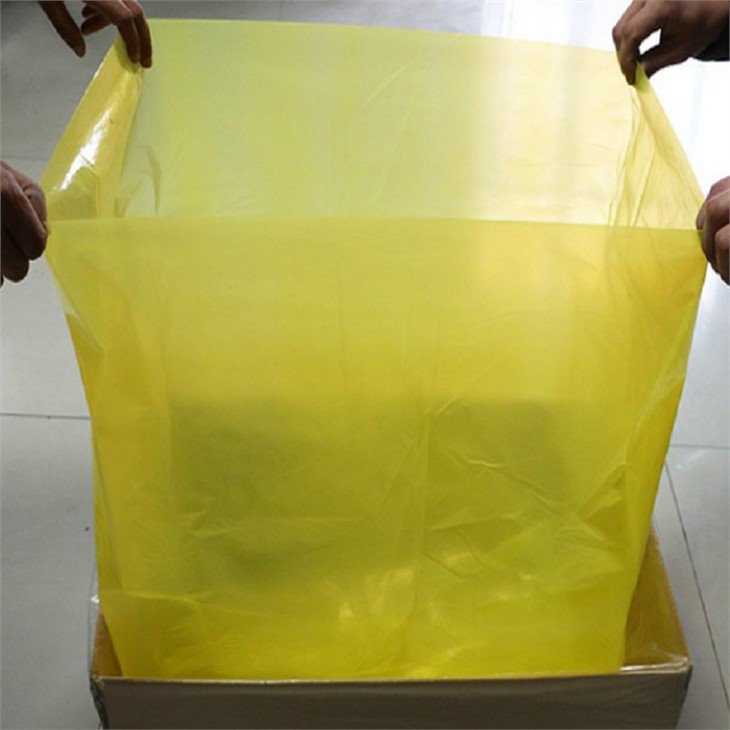
Rust is a common and persistent problem that can significantly reduce the lifespan and performance of metal products. Rust resistant film has emerged as an effective solution to protect metal surfaces from corrosion. As a supplier of Rust Resistant Film, I am often asked about the materials used to make these films. In this blog post, I will delve into the various materials that are commonly employed in the production of rust resistant films.
Polymer Base Materials
Polymers form the foundation of rust resistant films. They provide the basic structure and physical properties of the film. Some of the most commonly used polymer materials include:
Polyethylene (PE)
Polyethylene is a widely used polymer in the production of rust resistant films due to its excellent chemical resistance, flexibility, and low cost. High - density polyethylene (HDPE) and low - density polyethylene (LDPE) are the two main types used. HDPE offers higher strength and stiffness, making it suitable for applications where the film needs to withstand mechanical stress. LDPE, on the other hand, is more flexible and has better sealing properties, which is beneficial for wrapping irregularly shaped objects.
Polypropylene (PP)
Polypropylene is another popular choice. It has a high melting point, good chemical resistance, and excellent tensile strength. PP films can be oriented in one or two directions (mono - oriented polypropylene or biaxially oriented polypropylene, BOPP), which enhances their mechanical properties. BOPP films are often used in applications where high clarity and dimensional stability are required.
Polyvinyl Chloride (PVC)
PVC is known for its good weatherability and flame retardancy. It can be formulated to have different levels of flexibility, from rigid to highly flexible. PVC films can also be made with additives to improve their rust - resistant properties. However, the production and disposal of PVC have some environmental concerns due to the release of chlorine - containing compounds.
Corrosion Inhibitors
Corrosion inhibitors are essential components in rust resistant films. They work by either forming a protective layer on the metal surface or by interfering with the electrochemical processes that cause corrosion.
Organic Corrosion Inhibitors
- Amines: Amines are a class of organic compounds that can adsorb onto the metal surface and form a protective film. They can neutralize acidic species and prevent the oxidation of the metal. For example, dicyclohexylamine nitrite (DICHAN) is a well - known volatile corrosion inhibitor (VCI) that can be incorporated into the film. VCIs are particularly useful because they can vaporize and reach areas that are difficult to access directly.
- Esters: Some esters can also act as corrosion inhibitors. They can form a hydrophobic layer on the metal surface, preventing water and oxygen from coming into contact with the metal.
Inorganic Corrosion Inhibitors
- Chromates: Chromates have been widely used as corrosion inhibitors in the past due to their excellent corrosion - protection properties. However, hexavalent chromium compounds are highly toxic and carcinogenic. As a result, the use of chromates is being phased out in many applications, and alternative inorganic inhibitors are being developed.
- Phosphates: Phosphates can react with the metal surface to form a phosphate coating, which provides a barrier against corrosion. Zinc phosphate, for example, is commonly used in metal - finishing processes and can also be incorporated into rust resistant films.
Additives
Additives are used to enhance the performance and properties of rust resistant films.
Antioxidants
Antioxidants are added to prevent the oxidation of the polymer base material. Oxidation can cause the film to become brittle, lose its flexibility, and reduce its rust - resistant properties. Common antioxidants include hindered phenols and phosphites. They work by scavenging free radicals that are generated during the oxidation process.
UV Stabilizers
If the rust resistant film is going to be exposed to sunlight, UV stabilizers are necessary. UV radiation can break down the polymer chains in the film, leading to degradation and loss of performance. UV stabilizers can absorb or dissipate UV energy, protecting the film from UV - induced damage.
Slip Agents
Slip agents are used to reduce the friction between the film and the metal surface or between different layers of the film. This makes it easier to handle and unwind the film. Common slip agents include fatty acid amides, which migrate to the surface of the film and form a lubricating layer.
Adhesives (for Laminated Films)
In some cases, rust resistant films are laminated with other materials to enhance their performance. Adhesives are used to bond the different layers together.
Pressure - Sensitive Adhesives (PSAs)
PSAs are widely used in laminated films. They can adhere to the metal surface or other layers of the film with the application of light pressure. Acrylic - based PSAs are popular due to their good adhesion, weatherability, and chemical resistance.
Hot - Melt Adhesives
Hot - melt adhesives are solid at room temperature and become liquid when heated. They are applied in a molten state and then solidify quickly upon cooling. Hot - melt adhesives offer fast bonding and high initial tack. Polyolefin - based hot - melt adhesives are often used in the lamination of rust resistant films.
Release Films in Rust Resistant Film Applications
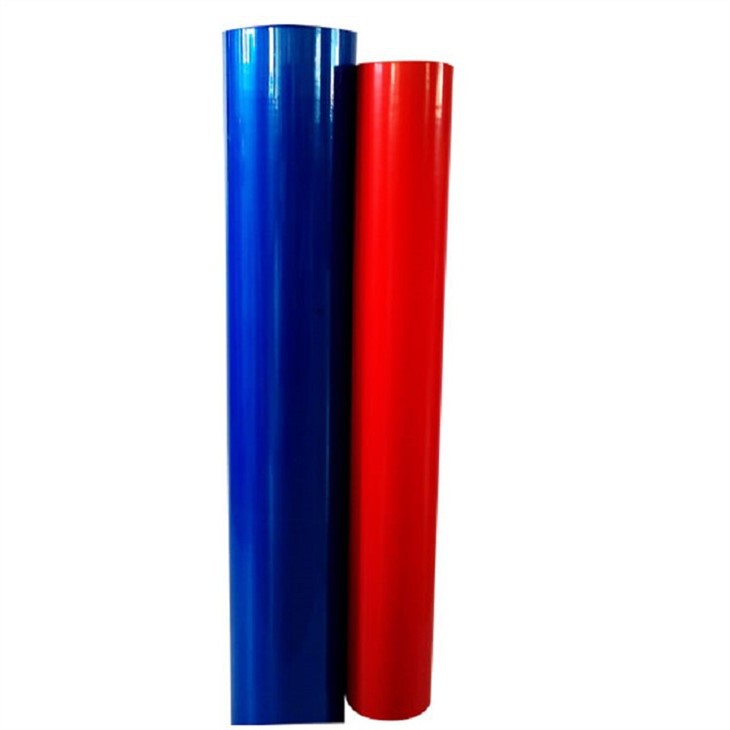
Release films and Release films can also be associated with rust resistant films. Release films are used to prevent the rust resistant film from sticking to other surfaces during storage, transportation, or processing. They are typically made of materials such as silicone - coated polymers. The silicone coating provides a low - surface - energy surface that allows the rust resistant film to be easily peeled off.
Conclusion
The materials used to make rust resistant films are a complex combination of polymers, corrosion inhibitors, additives, adhesives, and sometimes release films. Each component plays a crucial role in providing the desired rust - resistant properties, mechanical strength, and other performance characteristics. As a supplier of rust resistant films, we are constantly researching and developing new formulations to improve the effectiveness and environmental friendliness of our products.
If you are in need of high - quality rust resistant films for your metal products, we are here to help. Our team of experts can provide you with customized solutions based on your specific requirements. Whether you need a film for short - term storage or long - term protection in harsh environments, we have the products and knowledge to meet your needs. Contact us today to start a discussion about your rust - protection requirements and explore how our rust resistant films can benefit your business.
References
- ASTM International. (2023). Standards related to corrosion testing and evaluation.
- Uhlig, H. H., & Revie, R. W. (2019). Corrosion and Corrosion Control: An Introduction to Corrosion Science and Engineering. Wiley.
- "Handbook of Polymer Science and Technology" edited by H. S. Katz and J. V. Milewski.