

Hey there! As a supplier of Flame Retardant Coating, I often get asked if our product can be used in automotive applications. Well, let's dive right into this topic and explore the possibilities.
First off, let's understand what flame retardant coating is all about. Flame retardant coatings are designed to slow down or prevent the spread of fire. They work by creating a barrier between the flammable material and the heat source, either by releasing non - flammable gases, forming a char layer, or by other chemical reactions.
In the automotive industry, safety is a top priority. Cars are filled with various materials that can catch fire, such as plastics, fabrics, and fuels. So, it makes sense to consider using flame retardant coatings to enhance the fire safety of vehicles.
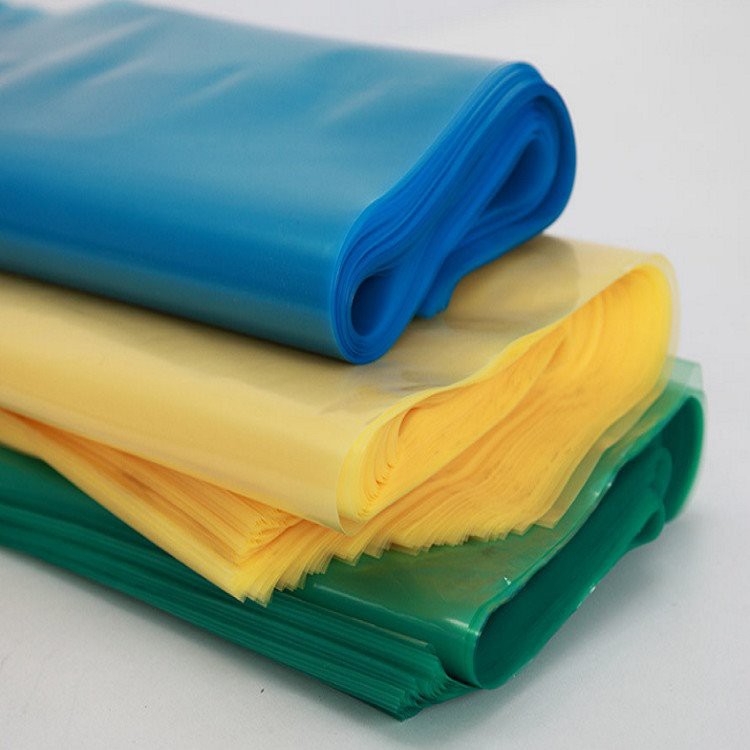
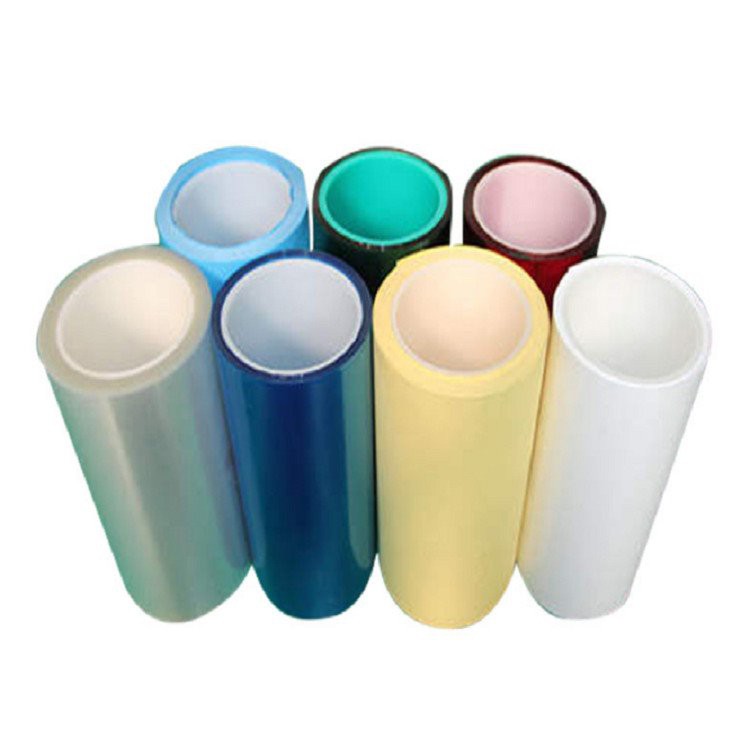
One of the main areas where flame retardant coating can be applied in cars is the interior. The seats, carpets, and dashboard are often made of materials that are combustible. By applying a flame retardant coating to these components, we can significantly reduce the risk of a fire spreading quickly inside the vehicle. For example, if there's a short - circuit in the electrical system or an accidental ignition, the coating can buy valuable time for passengers to escape.
Another potential application is in the engine compartment. The engine generates a lot of heat, and there are also fuel lines and other flammable substances present. A flame retardant coating on the engine parts and surrounding components can act as a safeguard against fire. It can prevent a small spark from turning into a large - scale fire that could damage the entire vehicle.
But, like any other product, there are some challenges and considerations when it comes to using flame retardant coatings in automotive applications. One of the main concerns is the weight. Automakers are constantly trying to reduce the weight of vehicles to improve fuel efficiency. Adding a coating can add some extra weight, which might not be ideal. However, modern flame retardant coatings are being developed to be as lightweight as possible while still providing effective fire protection.
Compatibility is also an issue. The coating needs to be compatible with the existing materials in the car. It shouldn't react negatively with plastics, metals, or other substances. Otherwise, it could cause damage to the components over time. For instance, if the coating corrodes the metal parts, it can lead to structural weaknesses in the vehicle.
Now, let's talk about some of the other functional films that are related to automotive applications. If you're interested in protecting your vehicle from rust, you might want to check out our Rust Resistant Film. This film can be applied to the metal parts of the car to prevent rusting, which is a common problem, especially in areas with harsh weather conditions.
Another useful film is the Release Film. It can be used in the manufacturing process of automotive components. For example, when making composite parts, the release film helps in the easy removal of the part from the mold. And if you're looking for a reliable source of release film, you can visit our Release Film Factory.
In terms of regulations, the automotive industry is highly regulated when it comes to safety. There are strict standards for fire resistance in vehicles. Our flame retardant coatings are designed to meet these standards. We conduct extensive testing to ensure that our coatings can withstand the requirements set by regulatory bodies. This gives automakers the confidence that they are using a product that is safe and reliable.
Cost is always a factor in the automotive industry. Flame retardant coatings can add to the production cost of a vehicle. However, when you consider the potential savings in terms of reduced fire damage and improved safety, it might be a worthwhile investment. Also, as the technology improves and production volumes increase, the cost of these coatings is likely to come down.
When it comes to the application process, it needs to be carefully controlled. The coating should be applied evenly to ensure consistent fire protection. Our company has the expertise and equipment to apply the flame retardant coating in a professional manner. We can work with automakers to develop a customized application process that suits their specific needs.
In conclusion, flame retardant coatings definitely have a place in automotive applications. They offer an additional layer of safety that can protect both the vehicle and its passengers. While there are some challenges such as weight, compatibility, and cost, the benefits far outweigh the drawbacks.
If you're an automaker or involved in the automotive supply chain and are interested in learning more about our flame retardant coatings or other functional films, I encourage you to reach out. We'd be more than happy to have a discussion about your specific requirements and see how we can help you enhance the safety and performance of your vehicles.
References
- ASTM International Standards on Fire Resistance in Automotive Applications
- Research papers on the development of lightweight flame retardant materials for automotive use
- Industry reports on the trends in automotive safety and the use of functional coatings