

Hey there! As a supplier of Hot Melt Adhesive Film for Textile Fabric, I've been getting a lot of questions lately about how the thickness of this stuff affects its performance on textile fabrics. So, I thought I'd sit down and write a blog post to share what I've learned over the years.
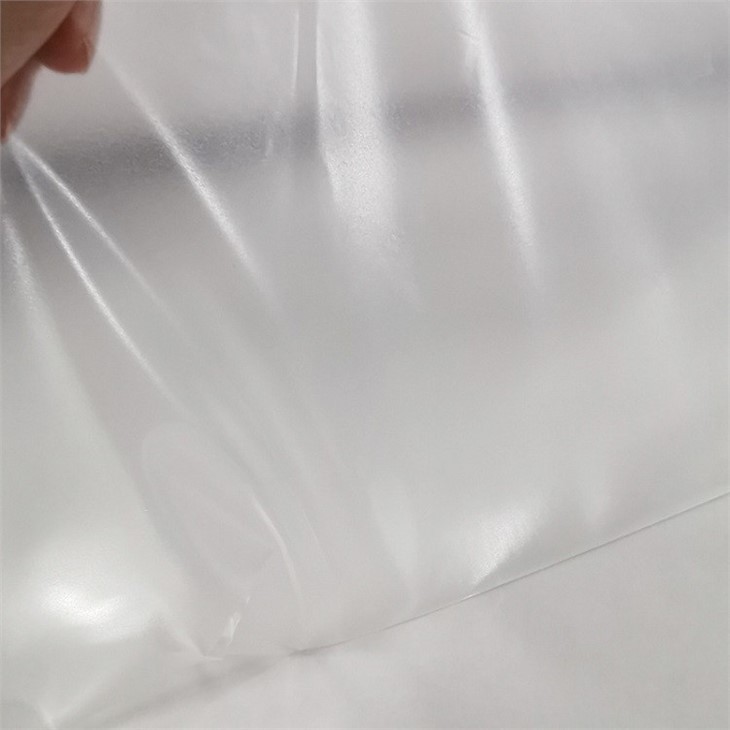
First off, let's talk about what hot melt adhesive film is. It's basically a thin layer of adhesive that can be activated by heat. When you apply heat to it, it melts and bonds two materials together. In the case of textile fabrics, it's used to attach different layers of fabric, add embellishments, or even repair tears.
Now, the thickness of the hot melt adhesive film can have a big impact on how well it works. Let's break it down into a few key areas:

Adhesion Strength
One of the most important things we look at when using hot melt adhesive film is how well it sticks to the fabric. Thicker films generally offer stronger adhesion. This is because there's more adhesive material available to create a bond. For example, if you're working with heavy - duty fabrics like denim or canvas, a thicker film can hold up better under stress.
Let's say you're making a pair of jeans and you want to attach a patch. A thicker Hot Melt Adhesive Film for Textile Fanric will ensure that the patch stays in place even after multiple washes and wears. On the other hand, if you're working with delicate fabrics like silk or chiffon, a thinner film might be a better choice. A thick film could make the fabric stiff and change its drape, while a thin film can provide just enough adhesion without altering the fabric's properties too much.
Flexibility
Flexibility is another crucial factor, especially when it comes to textiles. Fabrics need to be able to bend, stretch, and move with the body. Thicker hot melt adhesive films tend to be less flexible. When a thick film is applied to a fabric, it can create a stiffer area, which might be uncomfortable for the wearer.
For instance, if you're making sportswear, you want the fabric to be as flexible as possible so that the athlete can move freely. A thinner Hot Melt Adhesive Membrane will allow the fabric to maintain its natural flexibility. It won't restrict the movement of the fabric, ensuring that the garment is comfortable to wear during physical activities.
Drying Time
The thickness of the hot melt adhesive film also affects the drying time. Thicker films take longer to dry because there's more material that needs to cool and solidify. This can be a drawback in a production environment where time is of the essence.
Let's say you're running a large - scale textile manufacturing operation. If you're using a thick film, you might have to wait longer between each step of the production process. This can slow down the overall production rate and increase costs. In contrast, a thinner film dries much faster, allowing for a more efficient production process.
Transparency
Transparency is important, especially when you're working with fabrics where the adhesive needs to be invisible. Thinner films are generally more transparent than thicker ones. This is because there's less material to block the light.
If you're making a garment with a see - through or light - colored fabric, a thin Ethylene - Ethyl Acrylate Copolymer film will be less noticeable. It won't leave a visible mark on the fabric, ensuring that the finished product looks clean and professional. A thick film, on the other hand, might create a hazy or opaque appearance, which could be a problem for certain types of garments.
Cost
Cost is always a consideration in any business. Thicker hot melt adhesive films usually cost more than thinner ones. This is because they use more raw materials. If you're on a tight budget, a thinner film might be a more cost - effective option.
However, you also need to consider the long - term costs. If a thicker film offers better adhesion and durability, it might save you money in the long run by reducing the need for repairs or replacements. For example, if you're making a high - end product that needs to last a long time, investing in a thicker film could be worth it.
Application
The application process can also be affected by the thickness of the film. Thicker films can be more difficult to apply evenly. They might require more pressure and heat to ensure that they bond properly.
If you're using a heat press to apply the adhesive film, a thick film might need a longer press time and higher temperature. This can increase the risk of damaging the fabric. Thinner films, on the other hand, are generally easier to apply. They require less heat and pressure, which makes the application process more forgiving.
In conclusion, the thickness of hot melt adhesive film plays a significant role in its performance on textile fabrics. There's no one - size - fits - all answer when it comes to choosing the right thickness. You need to consider factors like the type of fabric, the intended use of the garment, production time, cost, and transparency.
If you're still not sure which thickness of hot melt adhesive film is right for your project, don't hesitate to reach out. We're here to help you make the best decision for your textile needs. Whether you're a small - scale designer or a large - scale manufacturer, we can provide you with the right product and advice. Contact us to start a discussion about your requirements and let's work together to create the perfect solution for your textile adhesive needs.
References
- Textile Adhesive Handbook: A comprehensive guide on adhesive applications in the textile industry.
- Journal of Textile Science and Technology: Articles on the latest research in textile adhesives and their performance.
- Industry reports on hot melt adhesive film production and usage in the textile sector.